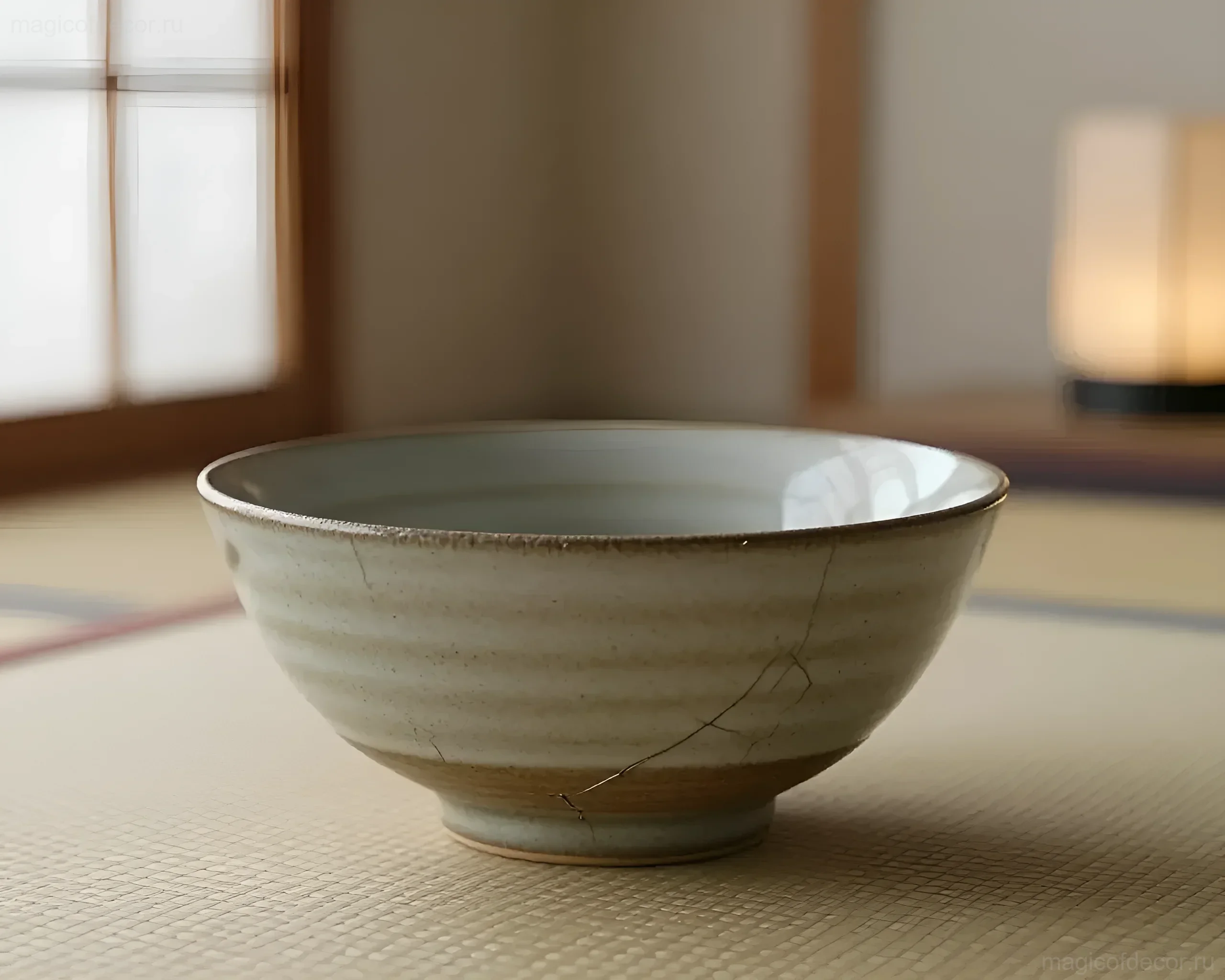
Imagine this: you come home after a stressful day, and your gaze falls on a vase with uneven edges, standing on a wooden table. It’s not perfect – but it’s precisely this “imperfection” that makes you relax. This is not a coincidence. This is the art of imperfection, which in 2026 is becoming not just a trend, but a real therapeutic tool for our overloaded brains.
Why Uneven Ceramics Soothe the Brain: The Science Behind Wabi-Sabi Aesthetics in 2026
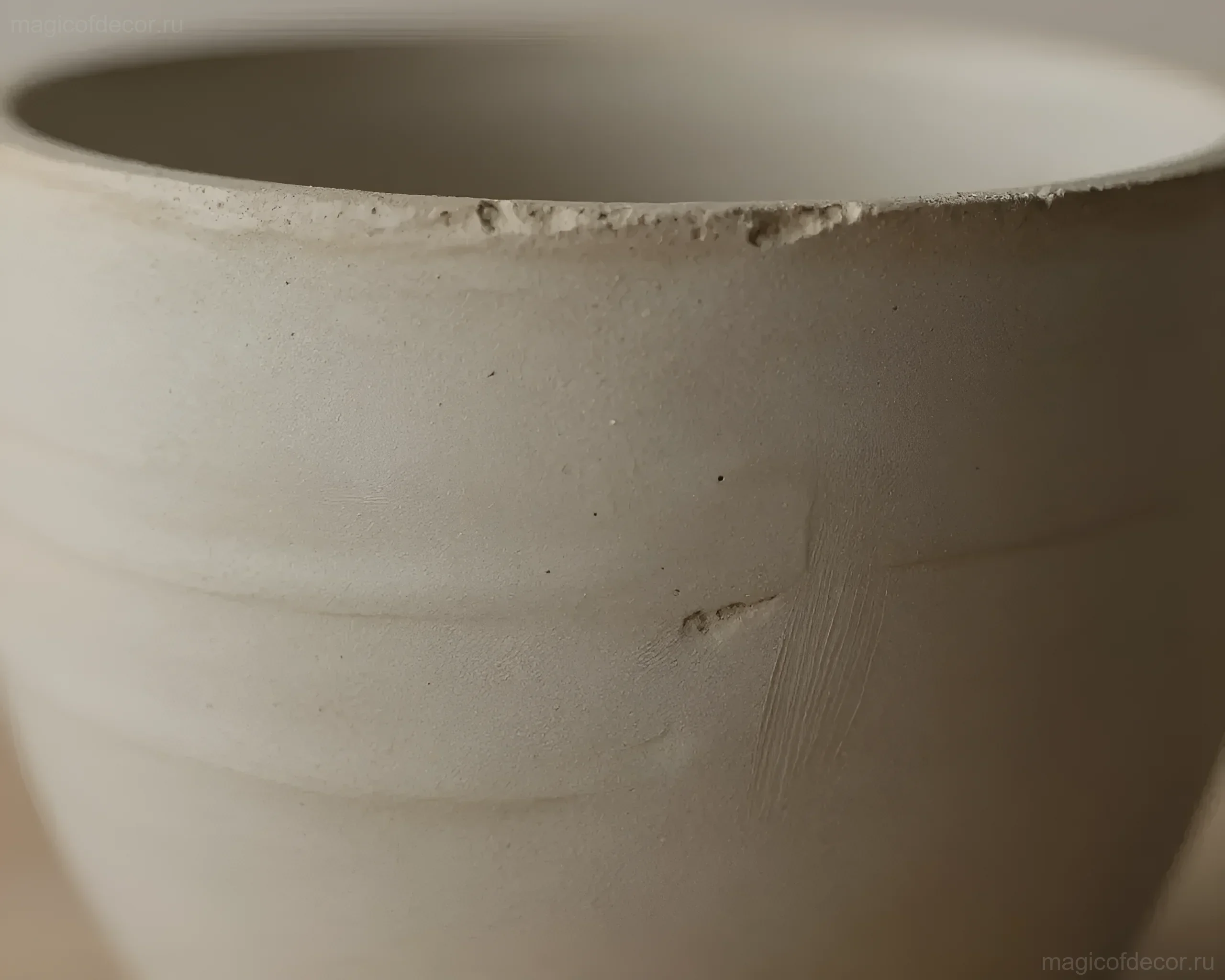
In a world where every screen, app, and interface strives for perfect symmetry and flawless graphics, our brains begin to experience chronic overload. Studies in cognitive psychology show that constant exposure to “perfect” visual stimuli increases cortisol levels – the stress hormone. Conversely, looking at natural, asymmetrical forms – such as craquelure cracks on a clay cup, uneven edges of handmade ceramics, or the texture of raw wood – activates the parasympathetic nervous system. Simply put: your heart rate slows down, your breathing evens out, and you feel calmer.
Wabi-Sabi is an ancient Japanese aesthetic that is experiencing a true renaissance in 2026. It teaches us to see beauty in imperfection, in age, in naturalness. And it’s not just a philosophy – it’s a scientifically grounded way to reduce stress. Imagine: you pick up a handmade cup with a small chip on the rim. This “defect” reminds you that life is not a perfect Instagram picture, but a living, breathing, real thing. And it is this connection to reality that helps us relax.
In June 2026, with summer in full swing and people seeking relaxation and a departure from rigid forms, Wabi-Sabi decor becomes particularly relevant. Soft lines, natural materials, authentic textures – all create an atmosphere where you want to linger longer.
How to Choose and Combine “Imperfect” Items: Materials, Textures, and Forms for Your Home
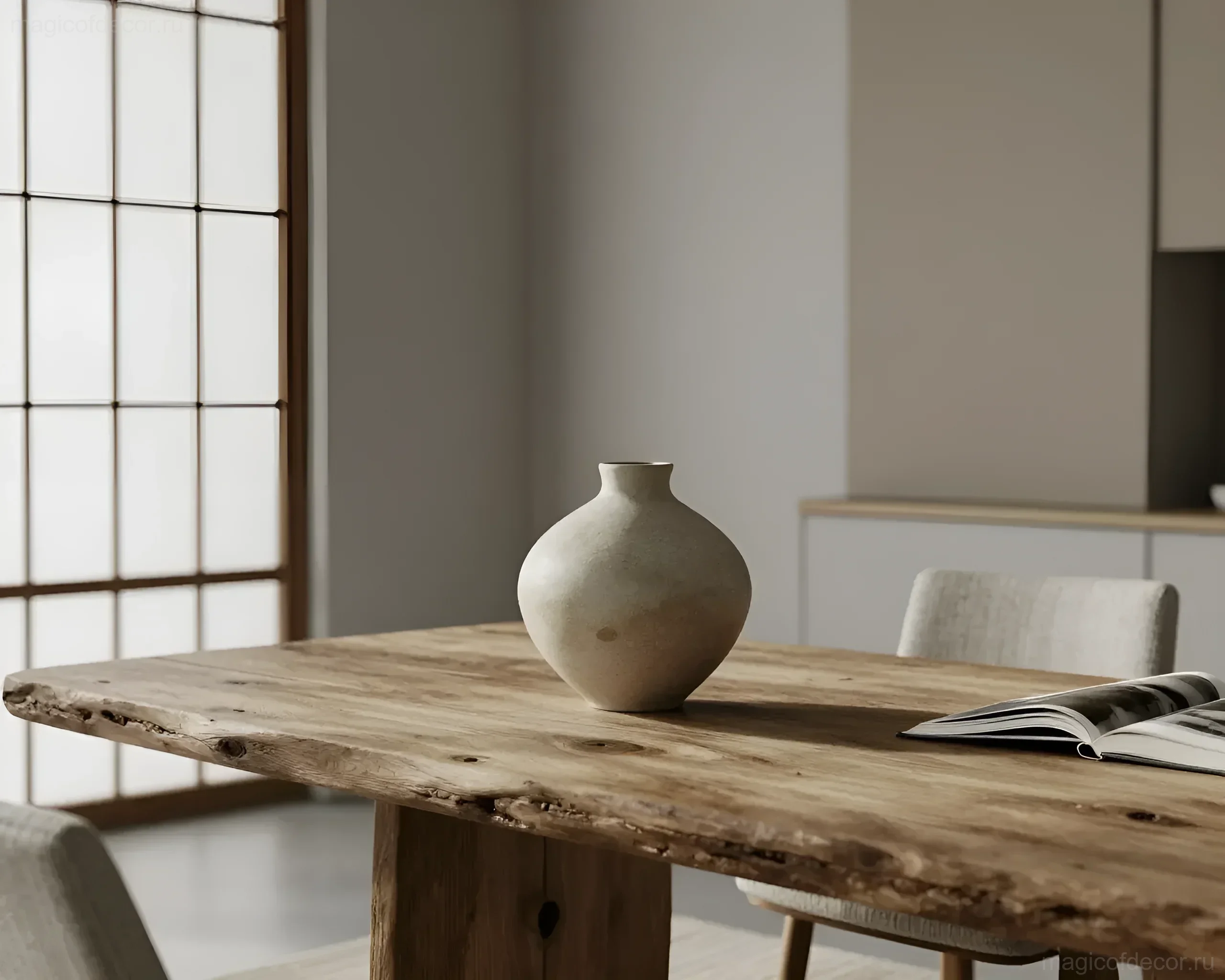
Choosing items in the Wabi-Sabi style is not just about buying a “crooked” vase. It’s about consciously creating a space where each object tells its own story. Here are the key principles to help you assemble a harmonious interior:
- Materials: opt for natural materials – clay, wood, stone, linen, wool. Avoid plastic and glossy surfaces. Natural materials “breathe” and create a sense of warmth.
- Textures: look for items with pronounced textures – porous ceramics, rough fabric, textured wood. Tactile contact with such items enhances the relaxing effect.
- Forms: asymmetry is your friend. Uneven edges, slightly curved lines, imperfect proportions – all add life to the interior.
- Colors: choose muted, natural shades – beige, gray-brown, olive, terracotta. Bright colors can disrupt the atmosphere of calm.
Example combination: place a ceramic vase with uneven edges and craquelure cracks on a shelf next to books. Nearby, a wooden box with visible knots and a rough surface. On top, a linen napkin with knots. This is not chaos – it’s the harmony of imperfection.
Step-by-Step Guide: Creating a Cozy Wabi-Sabi Corner with Your Own Hands
Want to transform an ordinary corner of your room into a therapeutic space? Here’s a simple step-by-step guide:
- Choose a spot: it can be a windowsill, a corner of the living room, a spot by the window, or even a small table in the bedroom. The main thing is that it should be quiet and peaceful.
- Prepare the base: remove unnecessary items. Leave only what is truly important. Wabi-Sabi is about minimalism, but not emptiness.
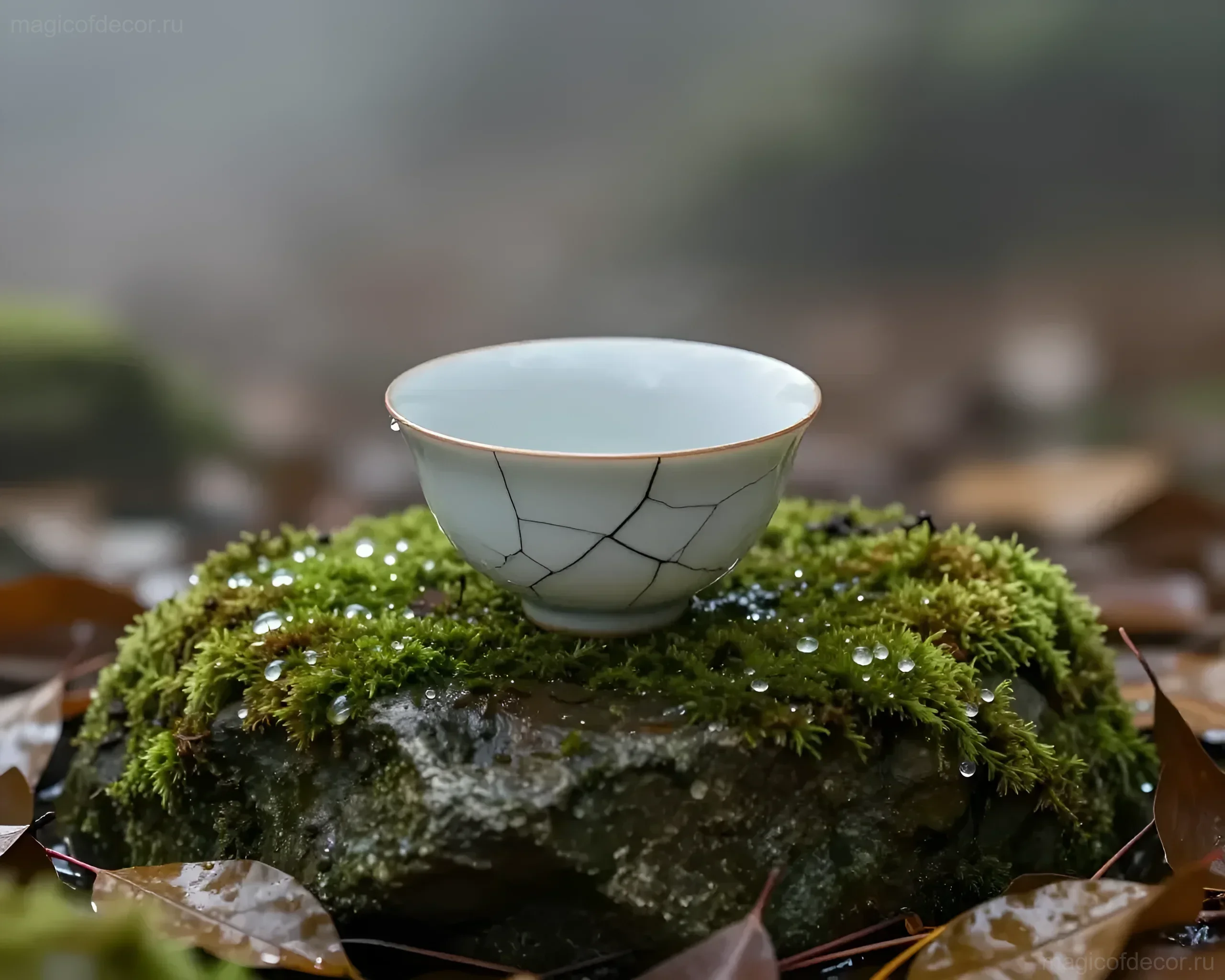
- Add “imperfect” items: find or create items with authentic flaws. This could be a ceramic cup with a crack, a wooden board with knots, a linen napkin with knots.
- Create a composition: arrange the items so that they complement each other. Don’t strive for symmetry – let the composition be lively and natural.
- Add light: use soft, warm light – a lamp with a fabric shade, a candle in a ceramic candlestick. Avoid bright white light.
- Add plants: live plants are an excellent Wabi-Sabi element. Choose low-maintenance species – for example, snake plants or cacti. They don’t require perfect care and look natural.
Such a corner will become your personal place for relaxation and meditation. Just sit there, observe the objects, feel their texture – and you’ll notice the tension melting away.
Color Palettes and Combinations: How Soft Hues Enhance the Relaxing Effect
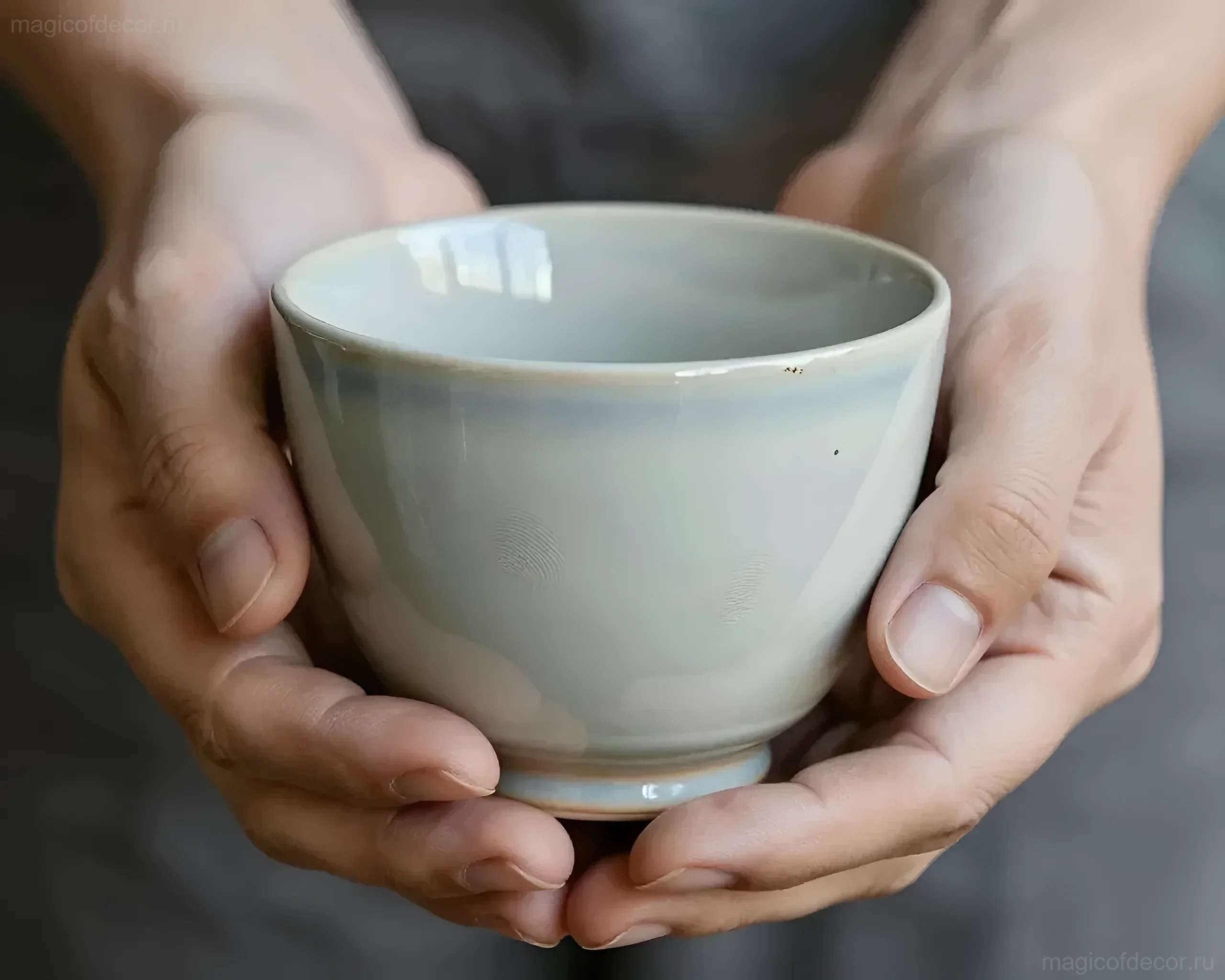
Color plays a key role in creating a Wabi-Sabi atmosphere. Here are a few palettes that are perfect for this style:
- “Earth and Clay”: terracotta, beige, gray-brown. These colors are reminiscent of nature and create a sense of stability.
- “Sea and Sand”: light gray, olive, peach. They are associated with relaxation and tranquility.
- “Forest and Stone”: dark green, gray, brown. These colors create a sense of seclusion and protection.
Tip: don’t be afraid to mix shades from different palettes. The main thing is that they are muted and natural. Avoid bright, saturated colors – they can disrupt the atmosphere of calm.
Budget-Friendly Decor Options: Where to Find Authentic Items Without Overpaying

Wabi-Sabi is not about expensive things. On the contrary, it teaches us to see beauty in the simple and accessible. Here’s where you can find authentic items without overpaying:
- Markets and Fairs: local fairs often sell handmade items – ceramics, textiles, wooden objects. You can find unique items at affordable prices there.
- Vintage Stores: old dishes, furniture, textiles – all of this can become part of your Wabi-Sabi interior.
- Online Platforms: sites like Etsy, Yandex.Market, Avito – you can find items from local artisans there.
- DIY: many items can be created yourself – for example, by sculpting with clay or dyeing fabric.
Example: buy a simple ceramic cup at a market and slightly “spoil” it – add craquelure cracks, paint it in a muted color. It will be your unique item, created with soul.
DIY Projects: Transforming Ordinary Items into Therapeutic Decor in an Evening
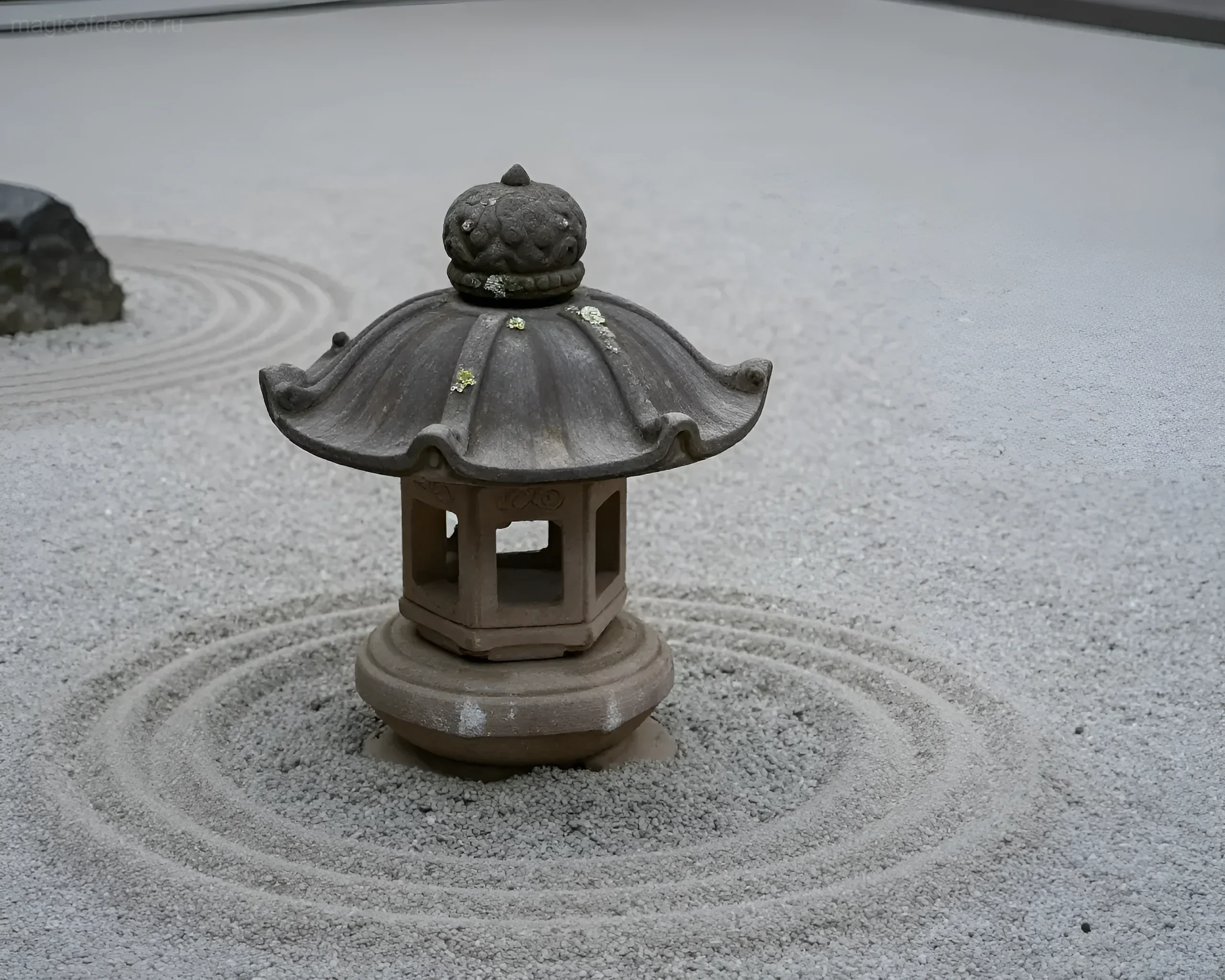
Want to create your own “imperfect” items? Here are a few simple DIY projects you can complete in an evening:
- Ceramic cup with cracks: buy a simple cup and apply craquelure to it – a special varnish that creates a cracked effect. Paint it in a muted color – and you’re done!
- Wooden board with knots: find an old wooden board, sand it, leave the knots and roughness. Cover with oil or wax – and you’ll get a unique stand or shelf.
- Linen napkin with knots: buy linen fabric, cut out a napkin, and tie knots along the edges. This will create a handmade effect.
- Candle in a ceramic holder: buy a simple candle and a ceramic holder with uneven edges. Place it in a cozy corner – and enjoy the soft light.
These projects do not require special skills or expensive materials. The main thing is the desire to create something unique and with soul.
Seasonal Decor: How to Adapt Wabi-Sabi for Summer, Autumn, and Holidays
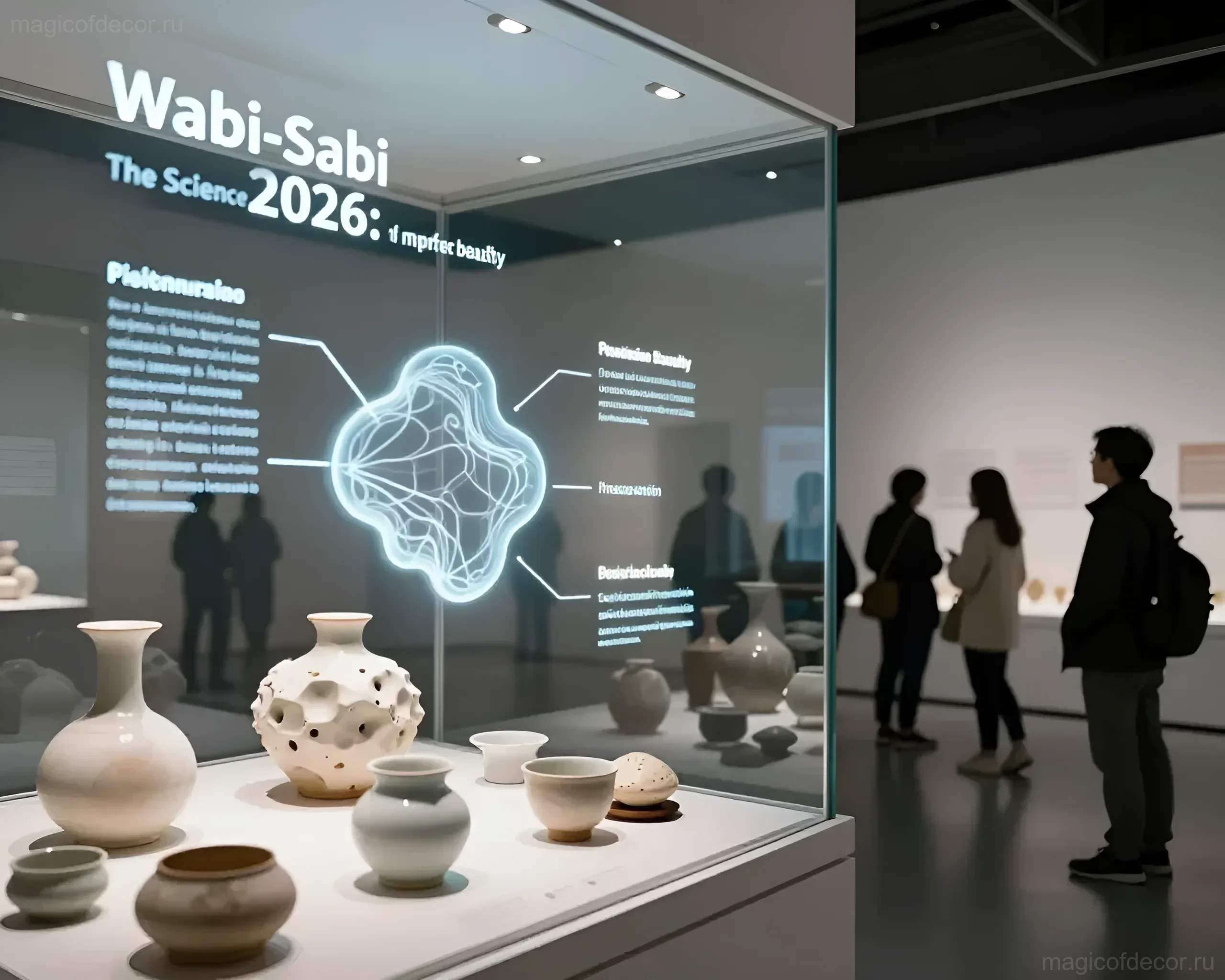
Wabi-Sabi is not a static style. It can change with the seasons while retaining its essence. Here’s how to adapt it for different times of the year:
- Summer: add fresh flowers, green plants, light textiles. Use light, airy colors – white, light gray, olive.
- Autumn: replace flowers with dried flowers, add pumpkins, nuts, leaves. Use warm, muted colors – terracotta, brown, golden.
- Winter: add candles, woolen blankets, wooden toys. Use dark, rich colors – dark green, gray, brown.
- Holidays: don’t be afraid to add a little decor – for example, a garland of paper lanterns or wooden balls. The main thing is that they don’t disrupt the atmosphere of calm.
Example: in the summer season, place a vase with dried flowers on a shelf, a wooden box and a linen napkin next to it. In autumn, replace the dried flowers with pumpkins and nuts, add a candle in a ceramic holder. In winter, add a woolen blanket and wooden toys. This way, your interior will change with the seasons but remain in the Wabi-Sabi style.
Expert Tips: How to Avoid Extremes and Maintain Balance Between Chaos and Harmony
Wabi-Sabi is not about chaos. It’s about consciously creating a space where each object has its place and meaning. Here are a few tips to help you avoid extremes:
- Don’t overload the space: Wabi-Sabi is about minimalism. Leave only what is truly important.
- Maintain balance: don’t be afraid to mix different materials and textures, but make sure they don’t clash with each other.
- Don’t strive for perfection: remember that imperfection is part of beauty. Don’t try to “fix” defects – they make things unique.
- Listen to yourself: if something causes you discomfort – remove it. Wabi-Sabi is about your comfort and peace.
Example: if you’ve placed too many items on a shelf – remove the excess. If an item causes you negative emotions – replace it with another. The main thing is that the space is comfortable for you.
FAQ: Answers to Common Questions About Wabi-Sabi
Question: Can Wabi-Sabi be used in a modern interior?
Answer: Of course! Wabi-Sabi blends well with modern styles – minimalism, Scandinavian, loft. The main thing is to maintain balance and not overload the space.
Question: Do I need to buy expensive items for Wabi-Sabi?
Answer: No! Wabi-Sabi is about simplicity and naturalness. Many items can be found at markets, in vintage stores, or created yourself.
Question: How do I know if I’ve overdone Wabi-Sabi?
Answer: If the space seems chaotic or overloaded – then you’ve overdone it. Remove the excess, leave only what is truly important.
Interesting Facts About Wabi-Sabi
— Wabi-Sabi is not just a style, but a whole philosophy that teaches us to see beauty in imperfection.
— In Japan, there is the tradition of “kintsugi” – the art of repairing ceramic items with gold lacquer. This symbolizes the acceptance of imperfection and its transformation into beauty.
— Studies show that looking at natural, asymmetrical forms reduces stress levels and improves mood.
— Wabi-Sabi does not require perfect care. On the contrary – it teaches us to accept things as they are.
— In 2026, Wabi-Sabi is becoming not just a trend, but a real therapeutic tool for our overloaded brains.