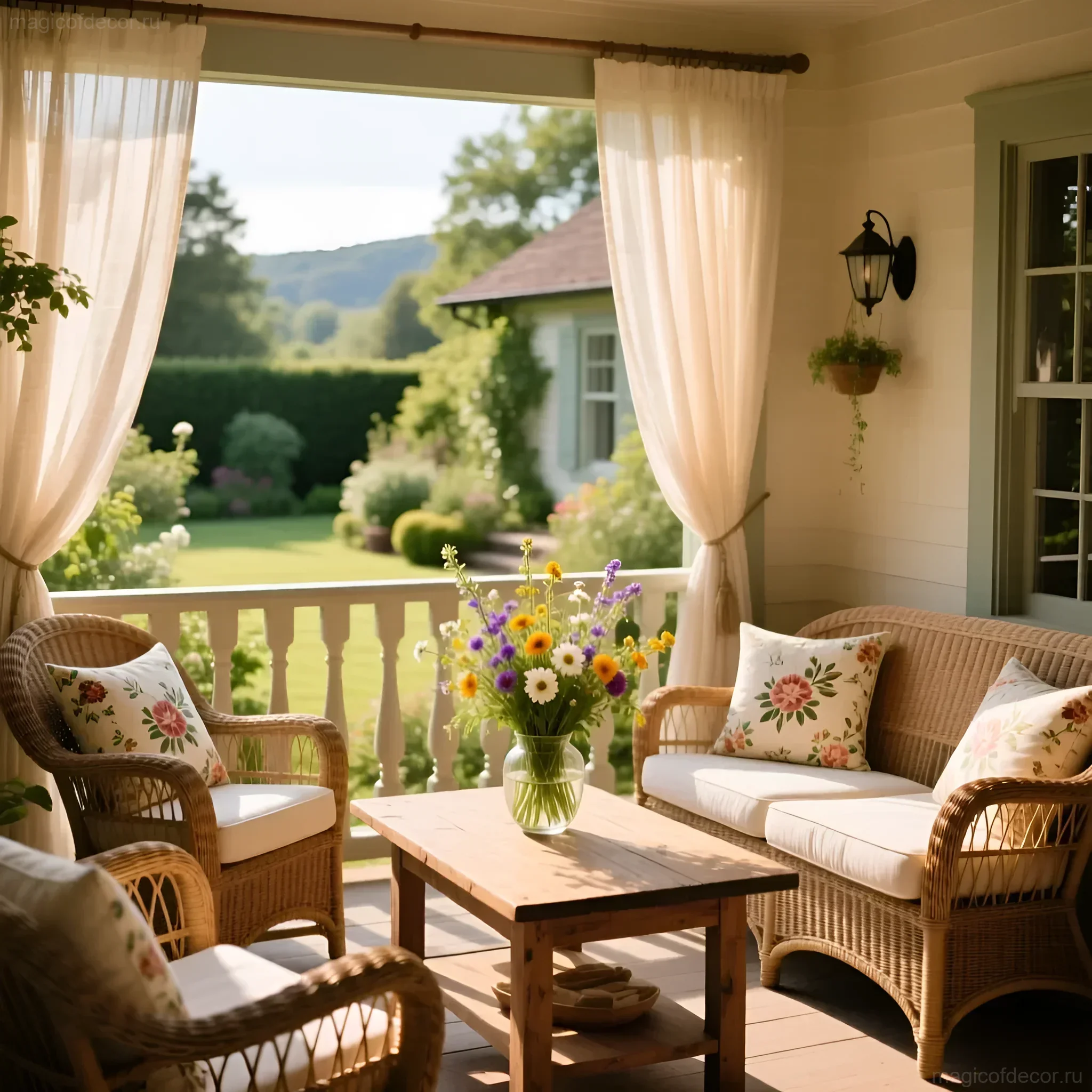
Dear friends! If you’ve ever dreamed of your dacha becoming not just a place for weeding the garden beds, but a true oasis of peace where your soul can rest, then this article is for you. We, as decorators, know for sure: to create ideal cottage coziness, you don’t need to break down walls or start expensive renovations. All you need is imagination, a few readily available materials, and your desire to create. Today, we’ll talk about the most important thing – how to transform your dacha house and its adjoining veranda into a unified, harmonious, and incredibly cozy space for relaxation.
Inspiration: Cottage Coziness – How to Create an Atmosphere of Relaxation and Harmony
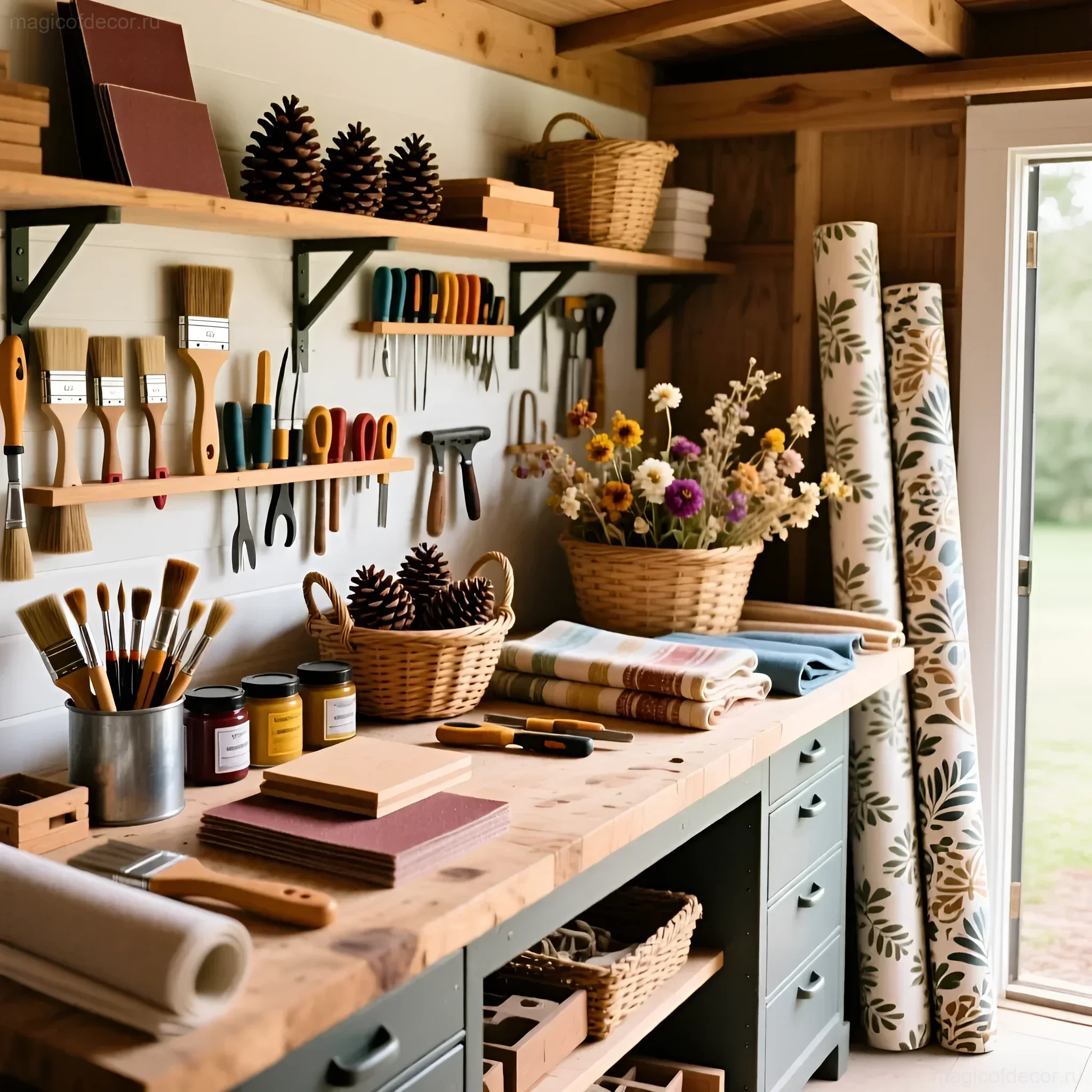
Cottage coziness is not just a style, it’s a feeling. It’s the smell of freshly cut grass, a warm blanket on a cool evening, a cup of herbal tea, and a sense of complete relaxation. We need to create a space that is as different as possible from the urban hustle, where every decorative element reminds us of proximity to nature and the simplicity of being.
The Three Pillars of Cottage Coziness:
- Naturalness: Prioritize natural materials – wood, linen, cotton, stone. No plastic or garish synthetic colors.
- History and Nostalgia: Use old items. Grandma’s chest of drawers, worn chairs, vintage lace – they carry warmth and create an atmosphere of a “house with a history.”
- Light and Air: Maximize open windows, use light curtains (or no curtains at all), and create layered lighting for the evening.
Remember the main thing: cottage decor should be light. You should be able to easily change accents, move furniture, and adapt the space to your mood.
Materials and Tools: What You’ll Need to Transform Your Cottage Interior and Veranda
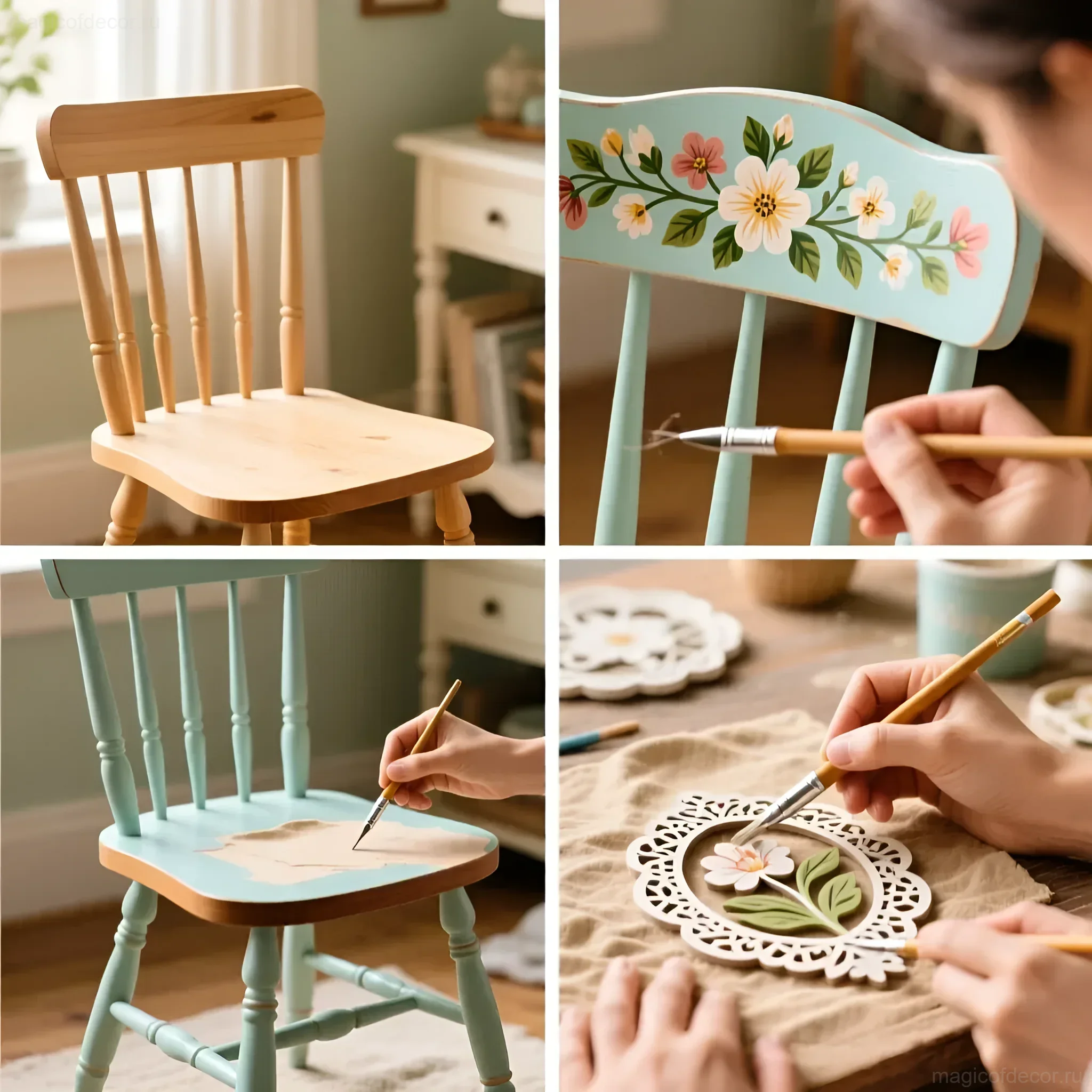
Before we start decorating, let’s gather our “decorator’s toolkit.” We don’t need drills or concrete mixers. Our arsenal consists of items that will help refresh, update, and add texture.
Materials that Create Atmosphere:
- Textiles: Coarse linen, unbleached cotton, burlap, chintz, wool (for blankets). Ideal for creating a handmade effect.
- Wood: Unfinished or slightly aged boards, dry branches, wood slices. They are useful for shelves, frames, and stands.
- Wicker Elements: Rattan, willow, bamboo. Baskets, planters, mats – they instantly bring a summer and veranda feel to the interior.
- Metal: Aged brass, rusted iron (in the form of decorative elements, lanterns).
Decorator’s Tools (Our Best Friends):
- Brushes and Paints: Chalk paints (they adhere well to old furniture without prior sanding), water-based varnishes, wood stains.
- Glue Gun: Indispensable for small DIY projects, fixing moss or decorative elements.
- Sandpaper (various grits): For creating a “shabby chic” effect and light aging.
- Sewing Machine or Sewing Kit: For creating pillowcases, curtains, and tablecloths.
Step-by-Step Guide: Decorating Your Cottage and Veranda Yourself
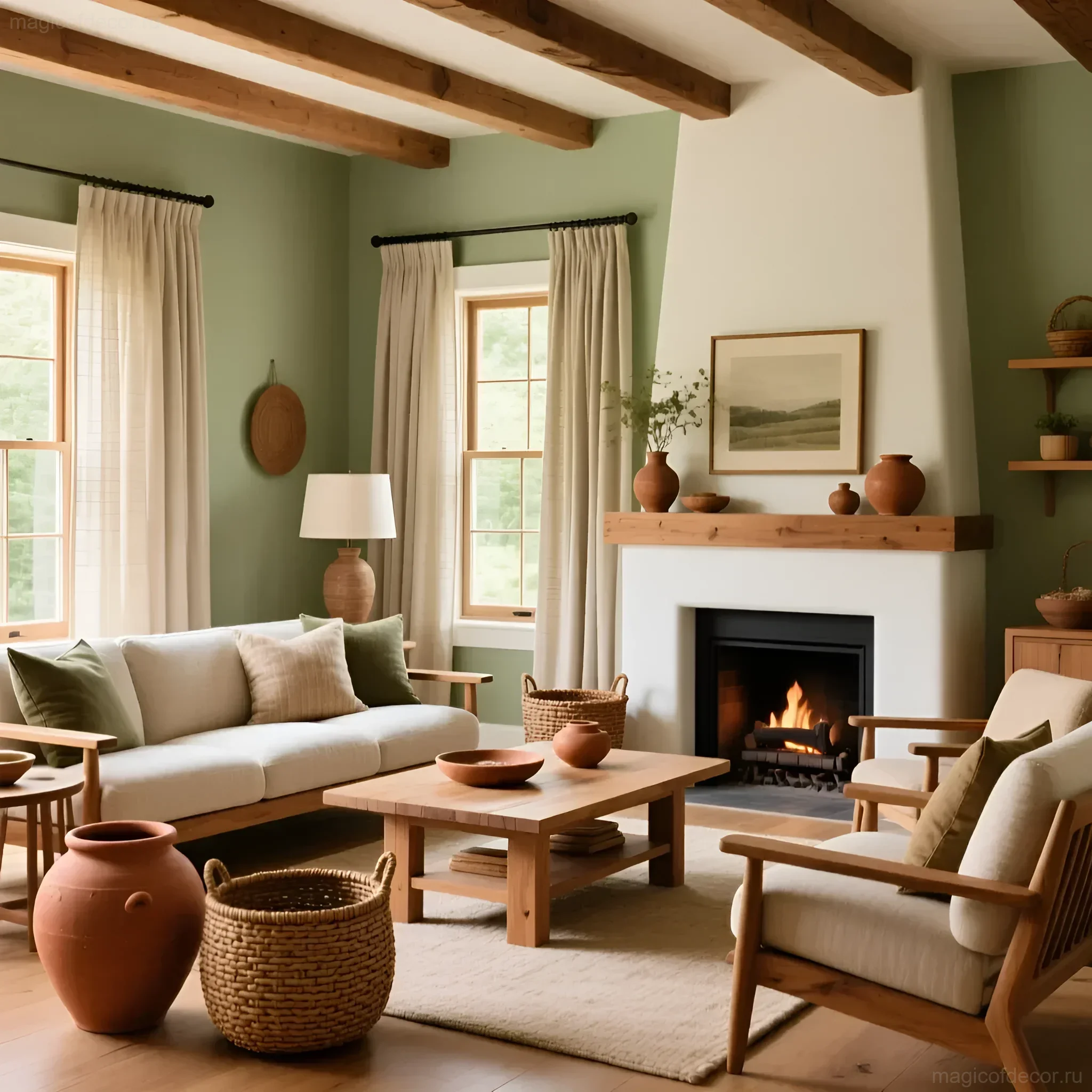
Let’s divide our space into two zones and work on each separately to achieve maximum harmony and coziness.
Step 1: Refreshing the Cottage Interior
Start with a “deep clean” of the decor. Remove everything unnecessary and bright that irritates the eye. Our goal is tranquility.
- Textile Revolution: Replace heavy, dark curtains with light, semi-transparent linen or cotton. This will immediately add light. Place linen covers or throws on sofas and armchairs. Use one or two accent colors (e.g., muted blue or green) in the pillows, but the main background should be neutral.
- Reviving the Walls: If the walls are wooden, emphasize their texture by coating them with a light stain or white semi-transparent paint (whitewash effect). If the walls are wallpapered, use simple, charming prints: small floral patterns, stripes, or checks.
- Gallery of Memories: Create a composition on one of the walls with old photographs, dried flowers, or children’s drawings. Use simple wooden frames or even DIY frames made from branches.
Step 2: Creating the Perfect Veranda
The veranda is a bridge between the house and nature. It should be as functional and comfortable as possible for long gatherings.
- Floor Covering: If the veranda floor looks tired, you don’t have to replace it. Paint it in a light shade (gray or beige) and add a large mat or jute rug. This will immediately make the space warmer.
- Seating Furniture: Choose light, wicker, or wooden furniture. If you have old chairs, paint them in a uniform pastel color. Be sure to add soft cushions and plenty of blankets that can be quickly thrown on in the evening.
- Vertical Garden: Utilize vertical gardening. Hang planters with petunias, succulents, or herbs (mint, basil) directly on the veranda walls. This is not only beautiful but also aromatic!
Color Schemes for Cottage Style: A Palette of Nature and Comfort
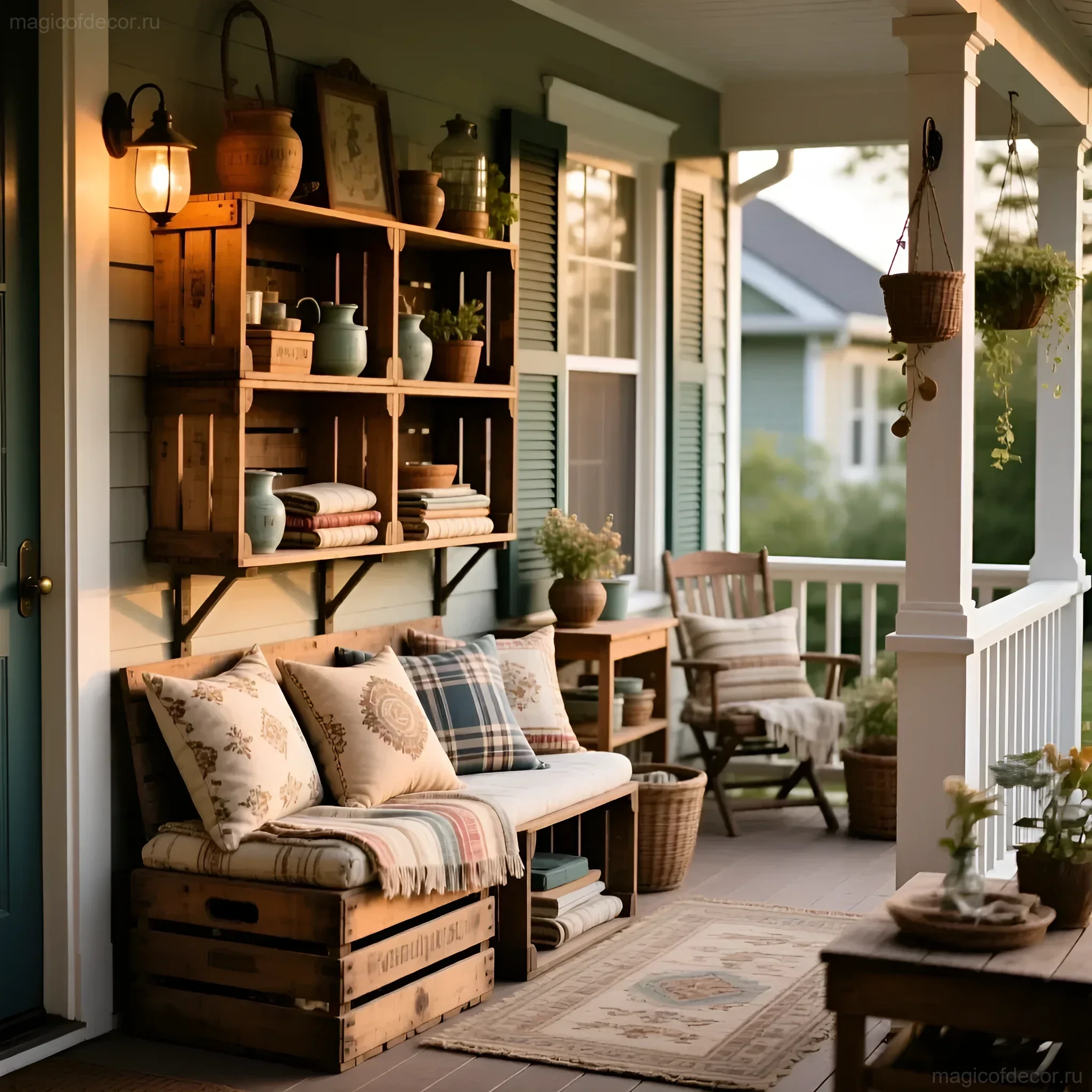
Cottage style loves a palette inspired by nature. Our task is not to compete with the bright colors of the garden, but to complement them gently.
Base: Calmness and Light
As a base, use light, neutral tones that reflect light and visually expand the space:
- Linen White (Off-white): Softer than pure white, it creates the feeling of old, sun-bleached fabric.
- Light Gray (Dusty Grey): Ideal for floors and large furniture items.
- Cream/Beige: Warm shades that add coziness.
Accents: Natural and Muted
Accent colors should be muted, as if slightly faded by the sun:
| Color | Where to Use | Association |
|---|---|---|
| Sage Green | Kitchen textiles, picture frames, decorative pillows. | Forest herbs, freshness. |
| Dusty Blue | Dishware, vases, light curtains on the veranda. | Midday sky, old porcelain. |
| Terracotta | Clay pots, small rugs, ceramics. | Rural clay, warmth of the earth. |
| Lavender | Small floral prints, sachets, candles. | Summer fields, tranquility. |
Tip: Don’t be afraid to combine different textures within the same color scheme. For example, a smooth light gray blanket and a coarse light gray jute rug.
Budget-Friendly Cottage Decor: Transforming Your Space Without Spending Much

The rule at the dacha is: old is new! The coziest and most atmospheric items can often be found in the attic, shed, or at a local flea market. Our goal is to give things a second life.
1. Furniture Restoration and Repainting
Do you have an old wooden chair that’s ready to be thrown out? Stop! It can be saved. Light sanding, a coat of chalk paint (which gives a matte, noble finish), and you’ll have a stylish Provence or shabby chic element. The main thing is not to strive for a perfect finish. A little imperfection is valued at the dacha.
2. Treasure Hunting
Visit local flea markets or sales. Look for:
- Old glass bottles (they will become vases for wildflowers).
- Lace doilies and tablecloths (use them as decor or for repurposing pillows).
- Vintage suitcases (stack them on top of each other – you’ll get an original bedside table).
- Metal watering cans and buckets (ideal planters for the veranda).
3. Decor from Natural Materials
Nature is our main supplier of decor, and it’s absolutely free! Collect beautiful stones, snags, pinecones, dry branches. You can weave branches into a wreath for the front door or create a mobile that will sway beautifully on the veranda. Stones can be painted or used as paperweights.
DIY Projects for the Dacha and Veranda: Creating Unique Decorative Elements

Nothing adds coziness like handmade items, infused with your soul and warmth.
Project 1: Pallet Coffee Table for the Veranda
This is a classic dacha DIY project that will never go out of style. Pallets are easy to find, durable, and versatile.
- What you’ll need: 1-2 wooden pallets, sandpaper, white or gray paint, brush, casters (optional).
- How to make it: Thoroughly sand the pallets to avoid splinters. Apply paint in two coats. Let dry. If you want the table to be mobile, screw furniture casters to the bottom corners. You can place a piece of tempered glass on top for a flat surface, but the table will work perfectly well without it.
Project 2: Jar Lanterns
The perfect solution for evening veranda lighting. It’s very simple and incredibly atmospheric.
- What you’ll need: Glass jars (0.5 L, 1 L), wire or twine, tealight candles (or battery-operated LED fairy lights), decorative elements (sand, small pebbles, moss).
- How to make it: Tie wire or twine to the neck of the jar so it can be hung. Pour sand or small pebbles into the bottom for stability. Place a candle. For a more romantic effect, wrap the jar with lace or glue leaves using decoupage glue.
Project 3: “Patchwork” Update for Old Chairs
If you have old wooden chairs with upholstered seats, give them a new life.
- What you’ll need: Old fabric scraps (chintz, linen), foam padding, furniture stapler.
- How to make it: Remove the old upholstery. If the foam is worn, replace it. Cut squares or strips from the fabric scraps. Sew them together, creating a patchwork effect. Stretch the new fabric over the seat, securing it on the back with a furniture stapler. Such a chair will become a bright yet cozy accent in the dacha dining room.
Seasonal Dacha Decor: Changing Decor According to the Time of Year
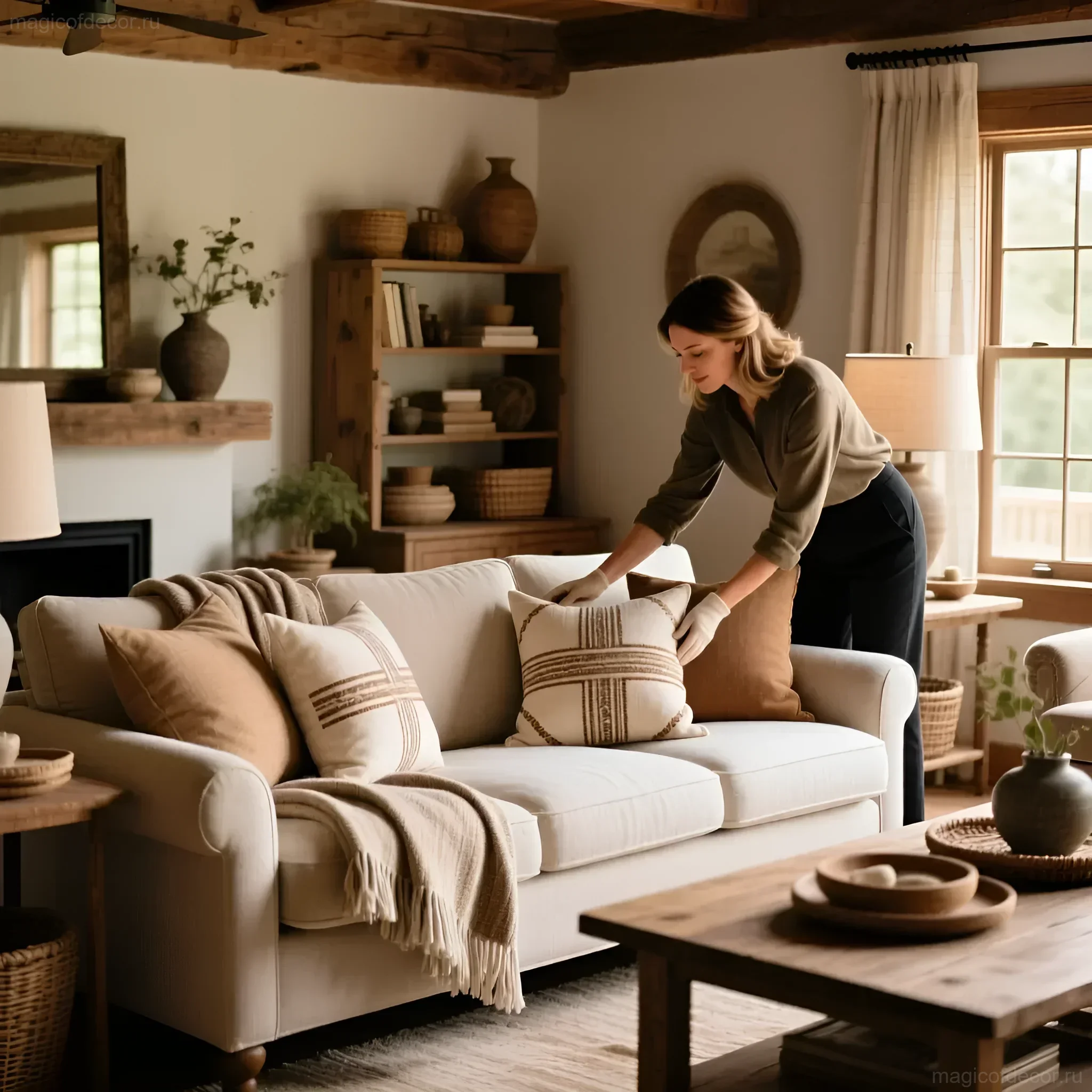
A dacha is a living organism, and its decor should change with the nature outside the window. Seasonal decor is the easiest way to update your interior without spending money.
Spring: Awakening and Freshness
In spring, our decor should be light and airy. Put away heavy blankets, bring out pastel tones.
- Flowers: Early bulb flowers – tulips, daffodils, hyacinths – in small vases.
- Textiles: Thin cotton tablecloths, light curtains.
- Details: Decor in the form of birds, eggs (Easter theme), branches with budding leaves.
Summer: Riot of Colors and Lightness
In summer, decor moves to the veranda and garden. Maximize the use of fresh flowers.
- Flowers: Wildflower bouquets, potted plants (geraniums, petunias) on the veranda.
- Textiles: Bright, juicy accents (yellow, fuchsia) in pillows. Light chintz throws.
- Details: Lots of outdoor lighting (fairy lights, lanterns), baskets for storing garden essentials.
Autumn: Warmth and Harvest
In autumn, we bring warmth back into the interior, adding deep, rich colors and cozy textures.
- Flowers and Gifts of Nature: Decorative pumpkins, rowan branches, dry leaves, wheat ears.
- Textiles: Knitted blankets, wool throws, pillows in burgundy, orange, mustard tones.
- Details: Scented candles with cinnamon or apple aroma, warm fairy lights with a soft yellow glow.
Expert Tips: Secrets to Creating a Cozy Cottage Interior and Veranda
As a professional decorator, I’ll share a few tricks that will help you perfect your cottage interior.
1. The “Three Layers of Light” Principle
At the dacha, lighting plays a key role, especially on the veranda. Use three types of light:
- Functional: Main light (ceiling fixture or chandelier) for work or reading.
- Accent: Table lamps, floor lamps. On the veranda, these could be hanging lanterns or sconces.
- Atmospheric: LED fairy lights (definitely warm yellow light!), candles, a fireplace, or an outdoor fire pit. It is this light that creates magic and coziness.
2. Spatial Continuity
To make the house and veranda feel like a single entity, use identical decorative elements or colors in both areas. For example, if you have a lot of linen and sage green in the house, bring a linen tablecloth and sage green pillows to the veranda. This blurs the line between “inside” and “outside.”
3. Scents of Coziness
A dacha is not only about visual comfort but also olfactory comfort. Use natural aromas:
- Bouquets of fresh mint and lemon balm in the kitchen.
- Lavender sachets in the bedroom.
- Candles with pine, citrus, or vanilla scents in the living room.
- Natural repellents that also smell pleasant work wonderfully on the veranda: citronella or eucalyptus.
4. Storage as Decor
There are always many small items at the dacha. Make storage a part of the decor. Use wicker baskets, wooden crates, vintage chests. They will not only hide garden tools or blankets but also add that “rustic” texture we are looking for.
Creating coziness at the dacha is, above all, a process of enjoyment. Don’t chase the perfect picture from a magazine; create a space that reflects your unique story and where you feel truly comfortable. And remember: the best things at the dacha are those made with love and attention to detail!