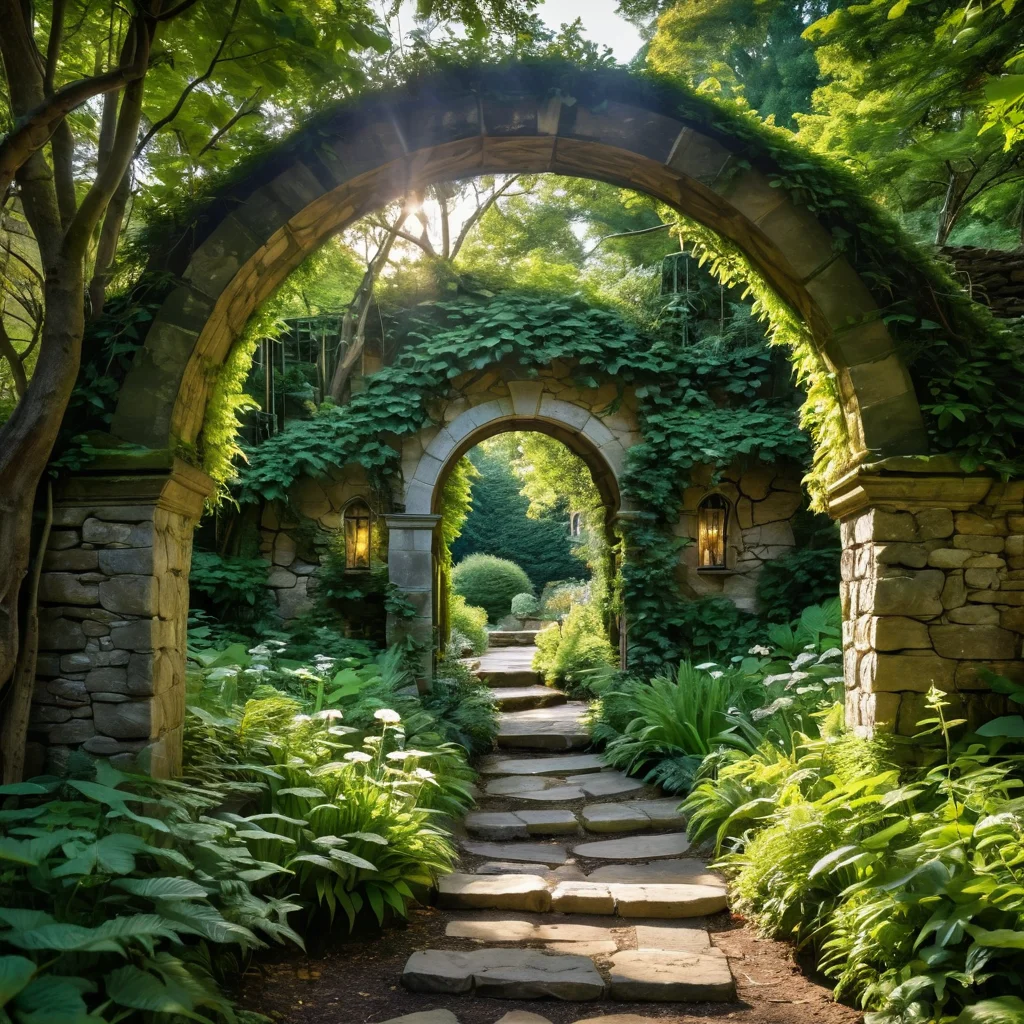
Remember how as a child you built a fort out of old blankets or hid in dense lilac bushes, feeling like a true explorer. It is this sense of mystery, coziness, and complete immersion in your own world that is inherent in the idea of a “secret” garden. It’s not just a flowerbed or a relaxation area; it’s a place where time slows down, and the soul finds peace. I’ve always dreamed of creating such a corner in my dacha – a place to escape the hustle and bustle, read a book under the rustling leaves, or simply dream while watching the play of light and shadow. And believe me, this desire is quite achievable for anyone who loves their garden and is willing to put a little soul and creativity into it. Let’s embark on a journey together to create this magical space!
How to Create Your Own “Secret” Garden: Inspiring Ideas for a Cozy Corner
Creating a “secret” garden is not construction, but rather art. It’s a play with space, light, plants, and your imagination. The main task is to create a sense of seclusion, magic, and a place that reveals itself gradually, unveiling its secrets only to the chosen few. It can be a small corner hidden behind a fence or a tall flowerbed, or an entire garden divided into zones using green screens and unexpected transitions. I always advise starting small but with a big dream. Imagine you are creating a portal to another world – your own, where peace and beauty reign.
Here are a few key principles that will help you on your way to creating your “secret” garden:
- Creating a sense of enclosure: A “secret” garden should be somewhat hidden from prying eyes. This is achieved with tall plants, dense hedges, decorative screens, or even walls. It’s important that from the outside, you can’t see what’s inside, and from the inside, only a small, picturesque view is revealed.
- Unexpected discoveries: The gradual unfolding of space is what makes a “secret” garden truly intriguing. Use winding paths, hidden passages, nooks where you can place a bench or a figurine. Every step should lead to a new discovery.
- Atmosphere of seclusion and peace: A “secret” garden is a place for rest and relaxation. Therefore, choose plants with delicate fragrances, create quiet corners for contemplation, and use elements that soothe and delight the eye. Water features, such as a small fountain or pond, add magic and auditory comfort.
- Personal space: This garden should be a reflection of your soul. Don’t be afraid to add elements that have special meaning for you: old garden tools, family heirlooms, handmade decorative items.
Ideas to get you started:
- A “forgotten” corner: Transform a distant, perhaps not the most picturesque, corner of your plot into an oasis. Surround it with tall shrubs, plant your favorite flowers there, and place an old garden bench.
- Garden behind a wall: If you have a solid wall of your house or fence, you can create a “secret” garden right behind it. Use vertical gardening, add some lighting, and this unappealing element will turn into an entrance to a magical world.
- Maze garden: You don’t have to build a real maze. It’s enough to create a few winding paths surrounded by tall flowers or shrubs to give the space a sense of mystery.
Styles of “Secret” Gardens: Choosing the Atmosphere for Your Secluded Paradise
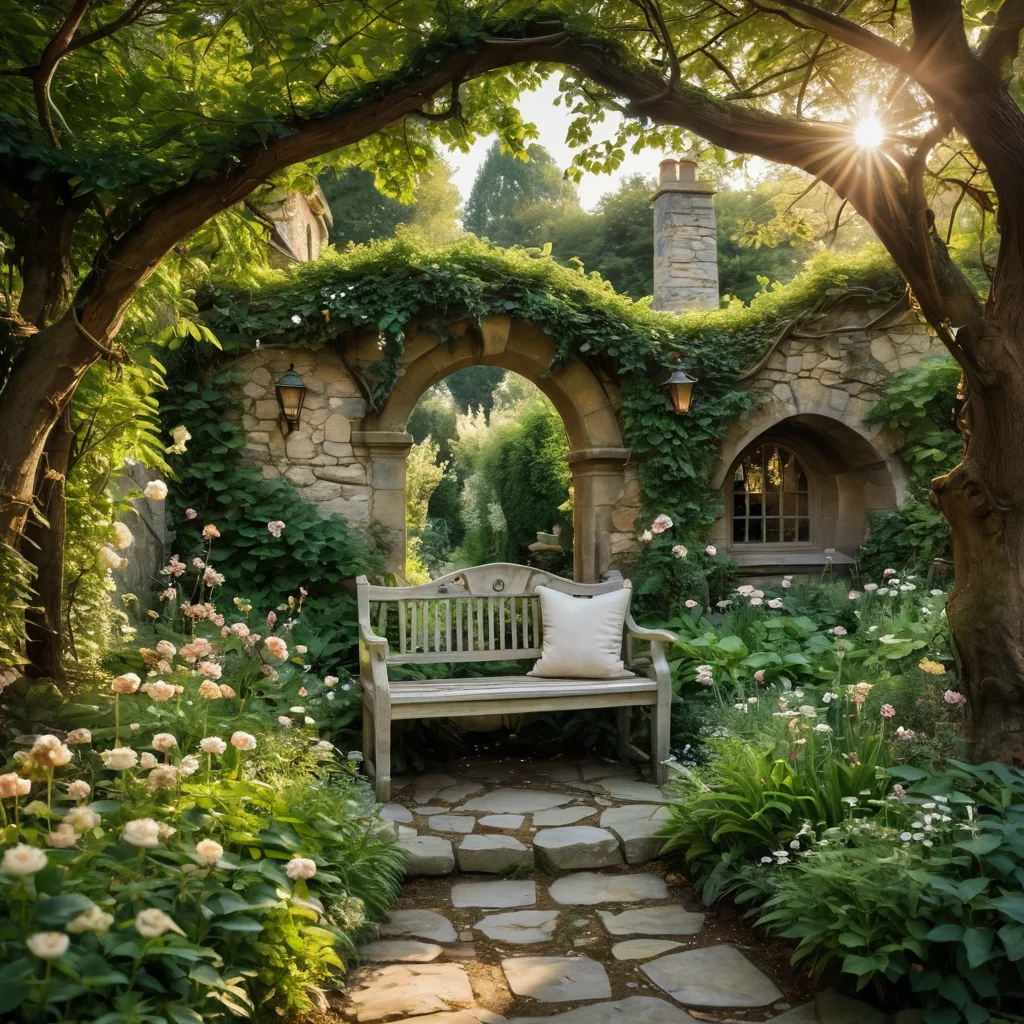
Before you start creating, it’s worth deciding on the atmosphere you want to bring to your “secret” garden. Style is not just about appearance, but also about the feeling it evokes. Each style implies its own set of plants, materials, and decorative elements that will help bring your vision to life.
English “Secret” Garden
This is perhaps the most classic option. It is associated with romance, tenderness, and a slight wildness that is, in fact, carefully planned. An atmosphere of tranquility and melancholic beauty reigns here.
- Characteristic features:
- Winding paths covered with gravel or mown grass.
- Abundance of flowers, often planted mixed together, creating a “natural” effect.
- Hedges of roses, clematis, honeysuckle.
- Antique garden benches overgrown with ivy.
- Presence of fountains, small ponds, marble sculptures (often with a patina of age).
- Fragrant plants: roses, lavender, jasmine, lilies.
Eastern “Secret” Garden
This style immerses you in an atmosphere of tranquility, meditation, and harmony. Minimalism, thoughtful attention to every detail, and symbolism are important here.
- Characteristic features:
- Clear lines, yet natural forms.
- Stone elements: stone paths, boulders, stone lanterns.
- Water features: a small pond with koi carp, a stream, a waterfall.
- Plants symbolizing peace and longevity: bamboo, pines, azaleas, maples.
- Minimalist decor: Buddha statues, stone bowls, wooden bridges.
- Sounds of nature: the sound of water, the rustling of leaves.
Modern “Secret” Garden
This style combines conciseness, functionality, and advanced design solutions. The “secret” here is created through clear forms, contrasting materials, and thoughtful lighting.
- Characteristic features:
- Geometric shapes, clear lines.
- Contrasting materials: concrete, metal, glass, wood.
- Minimalist planting: ornamental grasses, hostas, ferns.
- Modern lighting that creates a special atmosphere after dark.
- Presence of relaxation areas with modern furniture.
- Possibility of using art objects.
“Forest” “Secret” Garden
This style creates the feeling of being in a real forest, where every corner hides something new. Naturalness, layering, and the play of light and shadow are important here.
- Characteristic features:
- Multi-level planting: tall trees, with shrubs underneath, then herbaceous plants and ground cover.
- Natural paths, trodden or covered with bark, fallen leaves.
- Use of natural materials: wood, moss, stone.
- Shade-loving plants: ferns, hostas, moss, astilbes.
- Absence of bright, loud colors. Preference is given to muted, natural shades.
- Possibility of moss-covered old stumps serving as decorative elements.
The choice of style depends on your personal preferences, the architecture of your house, and the characteristics of your plot. The main thing is that the “secret” garden should reflect your individuality and give you a sense of harmony.
Choosing Plants for a “Secret” Garden: Greenery that Creates Mystery and Coziness
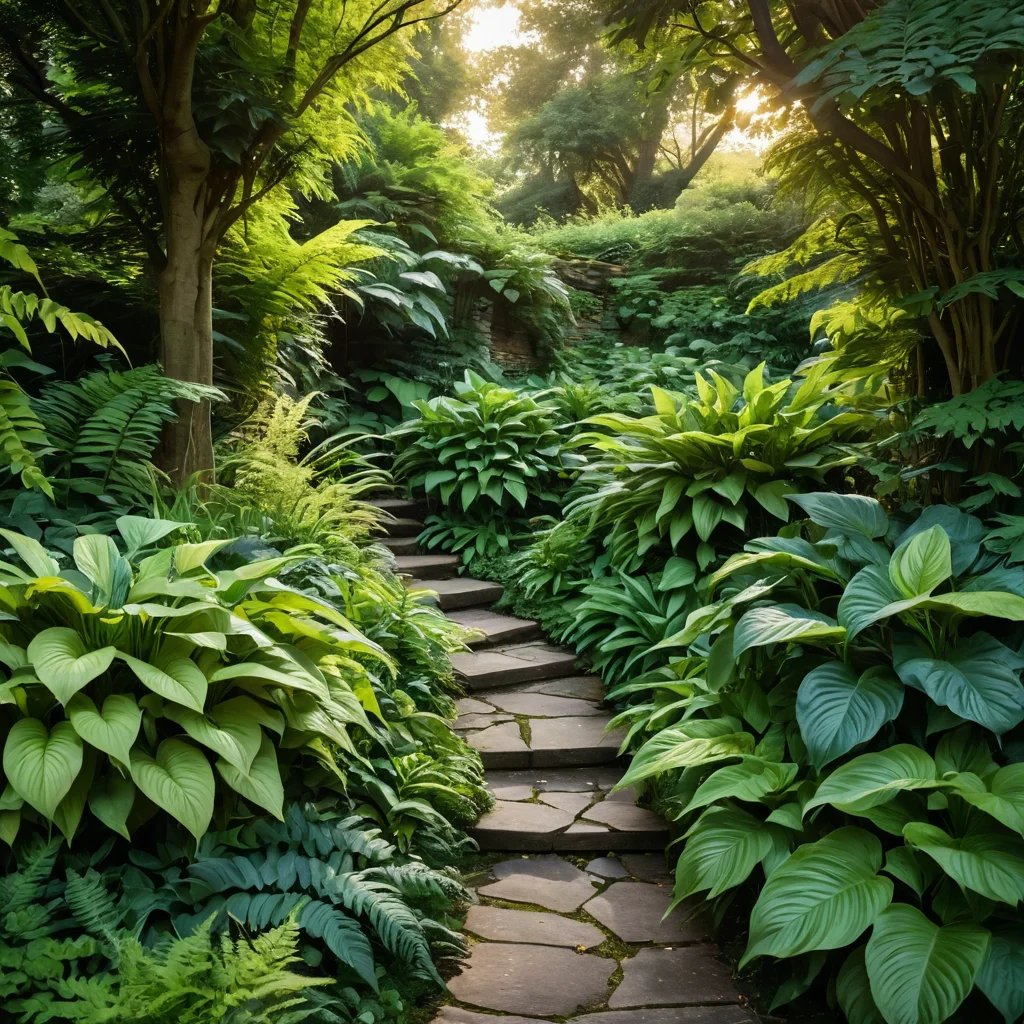
Plants are the main tool in creating the atmosphere of a “secret” garden. They form seclusion, create shade, fill the air with fragrances, and hide from prying eyes. I always prefer perennial plants that become more beautiful and lush each year, making your garden truly “alive” and developing.
Tall Plants for Volume and Seclusion
These are the foundation of your “secret” corner. They form “walls” and “roofs,” hiding your paradise from the outside world.
- Shrubs:
- Ornamental: Hydrangeas (especially panicle and bigleaf), mock orange (garden jasmine), spireas (many species, different flowering times), white dogwood (especially varieties with decorative foliage), ninebark (varieties with purple and green foliage). They grow quickly, tolerate pruning well, and create dense green mass.
- Conifers: Thujas (varieties ‘Smaragd’, ‘Brabant’ for hedges), junipers (creeping and upright forms), spruces (dwarf and medium varieties). Conifers are good because they create year-round green structure.
- Climbers: Clematis, climbing roses, honeysuckle, Virginia creeper. They can entwine arches, pergolas, fences, creating vertical green walls.
Medium-Sized Plants for Filling Space
They add lushness, create a second tier, and fill the space between tall shrubs and low flowers.
- Perennials:
- Hostas: A huge variety of cultivars with different leaf shapes, sizes, and colors. Ideal for shady areas.
- Astilbes: Look beautiful in partial shade, have fluffy inflorescences in various shades.
- Ferns: Give the garden a special forest atmosphere.
- Peonies: Lush flowers that can create bright accents.
- Roses (bush): Will add romance and tenderness.
- Delphiniums: Tall, slender flowers that add vertical accents to the garden.
Low-Growing Plants and Ground Covers for Edging and Paths
They complete the composition, creating smooth transitions and adding small but important details.
- Flowers:
- Lavender: Fragrant, looks beautiful in masses, attracts bees.
- Heucheras: A variety of leaf colors – from purple to lime green.
- Lady’s Mantle: Beautiful foliage, especially after rain when water droplets remain on it.
- Thyme: Fragrant, excellent for covering slopes and spaces between stones.
- Periwinkle: An evergreen plant with blue or white flowers, perfect for creating a living carpet.
Fragrant Plants – for a Special Atmosphere
Scent plays a huge role in creating mood. A “secret” garden should be fragrant, but not overwhelmingly so.
- Roses: Especially old varieties with a strong, sweet fragrance.
- Jasmine (mock orange): Fills the air with a sweet, honey-like fragrance during its blooming period.
- Lavender: A classic for creating a relaxing atmosphere.
- Daylilies: Many varieties have a pleasant, subtle fragrance.
- Lemon Balm, Mint: Their aroma is refreshing and calming.
Tip: Don’t be afraid to combine plants with different textures and shapes. Playing with contrasts (e.g., the large leaves of hostas and the delicate inflorescences of astilbes) will give your “secret” garden depth and complexity. And remember that plants should be adapted to the conditions of your plot (lighting, soil moisture).
Zoning a “Secret” Garden: Elements that Create Privacy and Charm
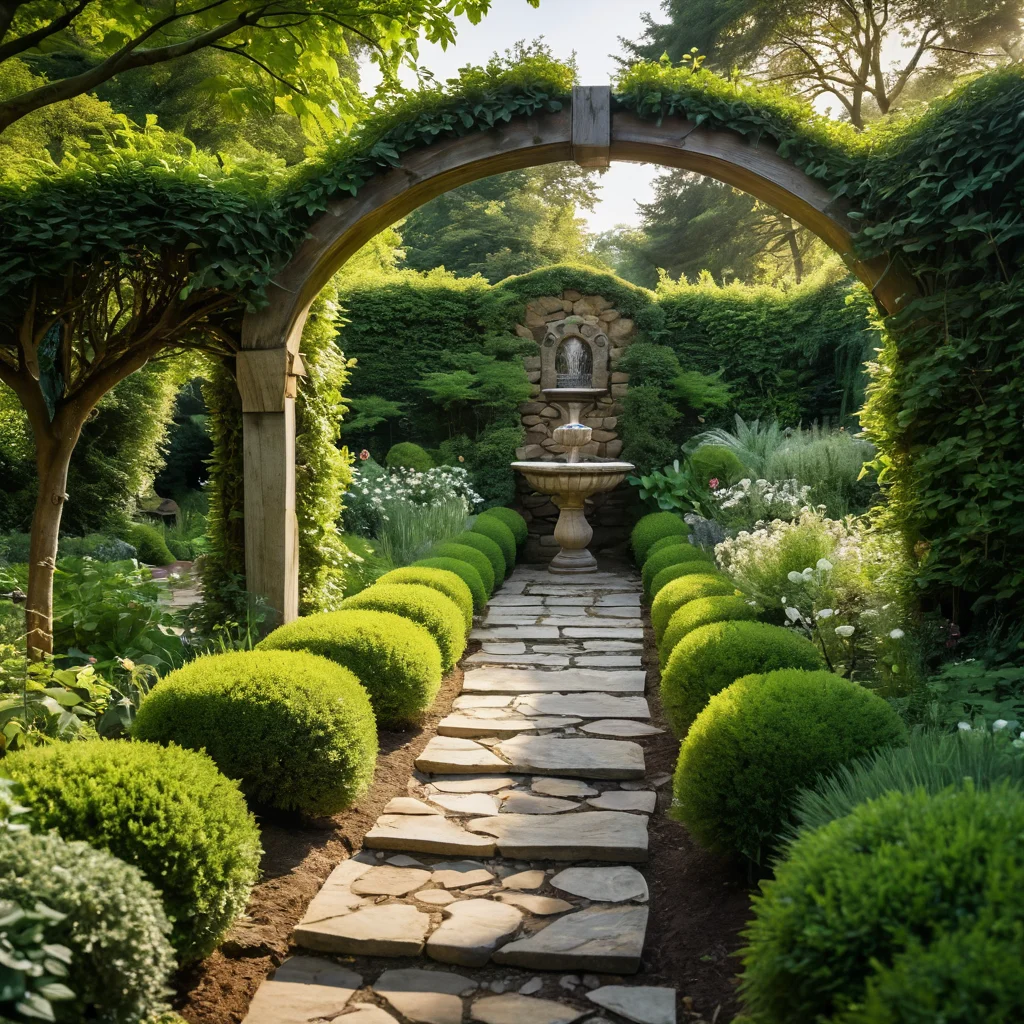
To prevent a “secret” garden from turning into a chaotic jumble of plants, it needs to be properly zoned. Zoning is not just about dividing space, but also about creating a sense of depth, intrigue, and unexpected discoveries. I always strive for each corner of the garden to have its own function and evoke specific emotions.
Creating “Green Rooms”
This is one of the most effective zoning methods. “Green rooms” are areas of the garden that have their own boundaries, created with plants, fences, screens, or even small structures. Each such “room” can have its own theme or purpose.
- Examples of “green rooms”:
- Relaxation area: A cozy spot with a comfortable bench or chairs, surrounded by lush shrubs and flowers. You can place a table for tea here.
- Meditation area: A small, secluded corner with minimal decor, perhaps with a small water feature or statue.
- Flower gallery: An area where the most beautiful and fragrant flowers are gathered, with convenient viewing.
- “Wild” corner: A more natural, informal area with natural elements, where a sense of closeness to nature is felt.
Using Paths and Trails
Winding paths are not just for movement, but also a powerful zoning tool. They guide movement, create intrigue, and hide what lies around the bend.
- Materials for paths:
- Natural stone: Creates a sense of naturalness and durability.
- Gravel or crushed stone: Easy to lay, good drainage, makes a pleasant sound when walked on.
- Wood slices or planks: Add coziness and warmth to the garden, but require maintenance.
- Mulch (bark, wood chips): Suitable for “wild” corners, retains moisture well.
Tip: Make the paths not too straight. Curves, turns, unexpected endings – all of this adds mystery to your “secret” garden. You can have one main path and several narrow, less noticeable trails leading to secluded corners.
Vertical Gardening and Screens
This is the ideal way to quickly create boundaries and add depth to a space, especially in small areas.
- Types of vertical gardening:
- Arches and pergolas: By covering them with climbing plants, you create “green doors” or “tunnels” leading to new zones.
- Screens and dividers: Decorative screens made of wood, metal, or even woven, covered with plants, effectively divide the space.
- Hedges: Dense shrubs planted in a row create a solid green wall.
- Vertical flower beds and trellises: Allow for greening even the smallest areas.
Elements that Create Privacy
In addition to plants, there are other elements that help create a sense of seclusion.
- Benches and chairs: Place them so they are hidden from the main viewpoints.
- Water features: Small fountains or trickling streams distract attention and create a calming atmosphere.
- Sculptures and art objects: Can serve as visual anchors, drawing the eye away from the boundaries of the plot.
- Lighting: Properly placed lights can create cozy, intimate corners after dark.
The main rule of zoning: each new element should flow smoothly from the previous one, creating a cohesive and harmonious picture. A “secret” garden should be a place where you want to explore, discover new things, and enjoy every moment.
Small Architectural Forms and Decor for a “Secret” Garden: Add Magic
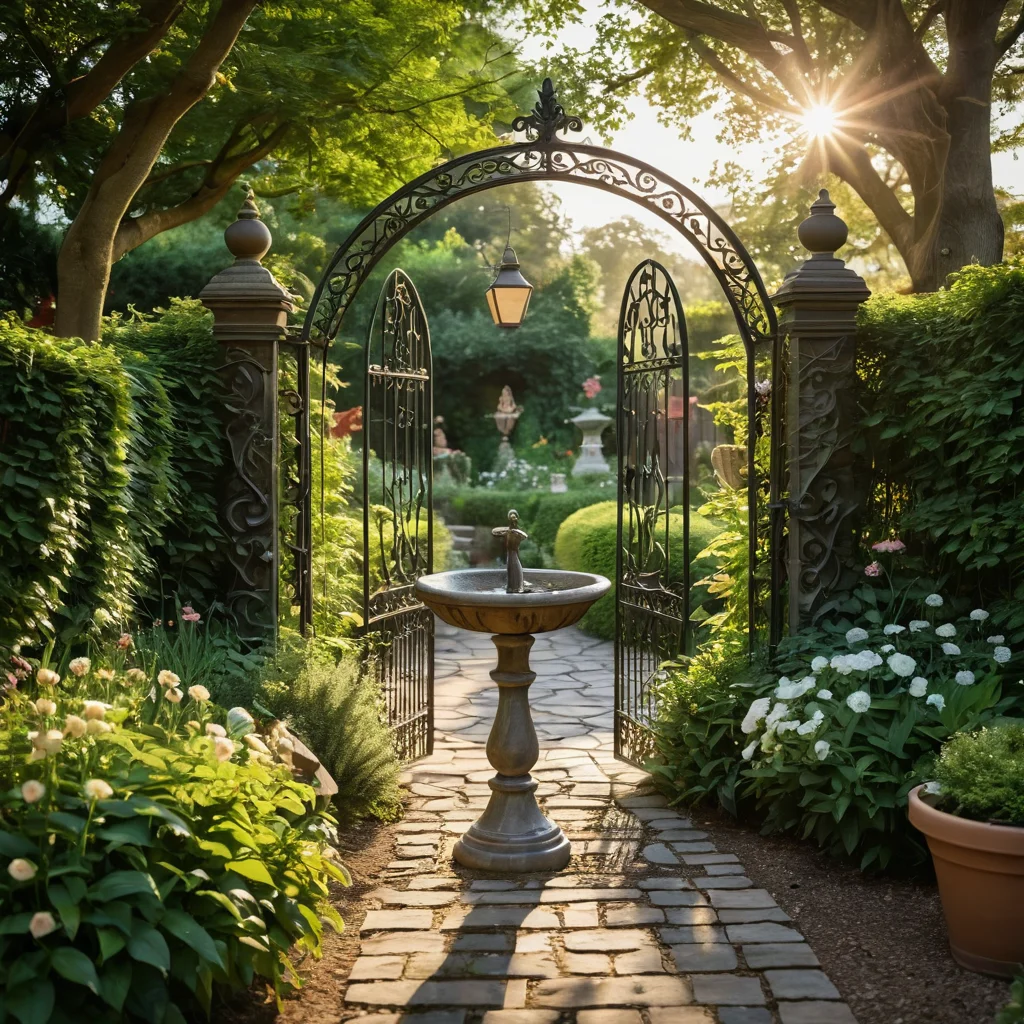
Small architectural forms and decor are the “finishing touches” that give a “secret” garden individuality, completeness, and unique magic. They help create an atmosphere, emphasize the style, and make the space more cozy and functional. I always try to choose elements that are not only beautiful but also harmonize with nature, as if they grew there themselves.
Seating and Relaxation Elements
Comfort is an important component of a “secret” garden. Places where you can sit, relax, and enjoy the beauty around should be not only comfortable but also fit into the overall style.
- Garden benches:
- Wooden: A classic that always looks cozy. You can choose simple or elegant wrought-iron benches.
- Stone: Excellent for Eastern or modern gardens.
- Wrought iron: Add elegance and sophistication, especially if they are entwined with climbing roses.
- Chairs and armchairs: To create a more “homey” atmosphere, especially if they are upholstered with soft cushions.
Decorative Elements that Create Mystery
These details add a “special touch” and emphasize the mystery of your garden.
- Fountains and water features:
- Small fountains: The sound of water is calming and relaxing, distracting attention.
- Cascades: You can create a small waterfall flowing from one container to another.
- Bogs and mini-ponds: Add naturalness and attract life (e.g., frogs).
- Sculptures and figurines:
- Gnomes, fairies, animals: For creating a fairy-tale atmosphere.
- Abstract forms: For modern gardens.
- Mythical creatures: Add mystery.
- Stones and boulders: Natural elements that give the garden a natural look, especially in a “forest” or Eastern style.
- Mirrors: Unexpected, but very effective! A garden mirror placed among greenery can visually expand the space and add mystery.
Decorative Screens and Fences
These elements serve not only for zoning but also as a base for vertical gardening.
- Materials:
- Wood: A classic option, can be solid or ornate.
- Metal (wrought or mesh): Adds elegance, looks good with climbing plants.
- Bamboo: For Eastern or exotic gardens.
- Wattle: Gives the garden a rustic, cozy look.
Lighting – Creating Magic in the Evening
Properly chosen lighting transforms a “secret” garden after sunset, making it even more mysterious and cozy.
- Types of lighting:
- Ground lights: Illuminate paths, plants, create mysterious shadows.
- Hanging lanterns: Add romance.
- Fairy lights: Create a festive and magical atmosphere.
- LED strips: Can illuminate the contours of paths, steps, or be used for accent lighting of plants.
Tip: Don’t overdo the decor. A “secret” garden should look natural, as if it was created by nature. The main thing is to find a balance between functionality, beauty, and atmosphere. Try using old, vintage items – they will add a special history and soulfulness to your garden.
Step-by-Step Guide: Creating a “Secret” Garden with Your Own Hands at the Dacha
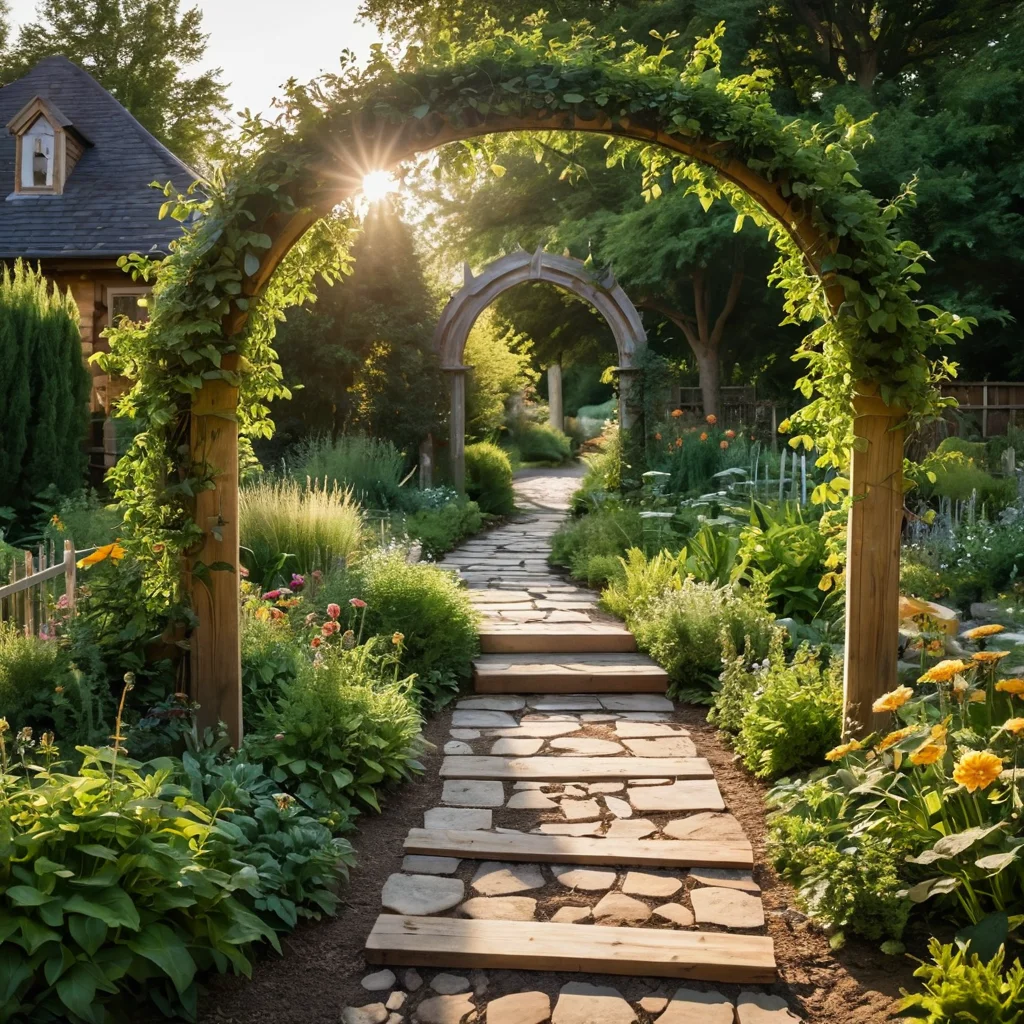
Creating a “secret” garden is an engaging process that can be divided into several stages. I try to act sequentially, but always leave room for improvisation, because a garden is a living organism. By following these steps, you can turn your dream into reality.
Step 1: Planning and Site Selection
First, decide where your “secret” garden will be located. It could be:
- A remote corner of the plot: A place you rarely visit but which has potential.
- Behind a solid fence or wall: Transform an unappealing space into a private zone.
- Part of a larger garden: You can create a “secret” garden within an existing one, using hedges or screens for zoning.
What to consider:
- Lighting: What will the lighting be like in the chosen area (sun, partial shade, shade)? This will determine the choice of plants.
- Size: A “secret” garden can be a small cozy corner or a more spacious area.
- Accessibility: How will you get to your “secret” garden? Do you need a path?
- Style: What style do you want to embody? This will affect the choice of materials and plants.
Step 2: Creating Boundaries and Structure
Your goal is to create a sense of enclosure and privacy. Use for this:
- Tall shrubs and trees: Plant them along the perimeter, creating a dense hedge.
- Decorative screens or trellises: They will help quickly enclose the space and serve as support for climbing plants.
- Small structures: Gazebos, pergolas, arches – all of these can serve as zone dividers.
- Stone or brick walls: If your budget and style allow.
Tip: The boundaries don’t have to be perfectly straight. A little “natural” sloppiness will only add charm.
Step 3: Designing Paths and Passages
Paths are the “arteries” of your “secret” garden. They should be attractive and lead to interesting places.
- Create winding paths: Avoid straight lines.
- Choose suitable material: Gravel, stone, wood slices, mulch.
- Ensure paths are comfortable to walk on.
- Hide some sections of the paths: Let them lead around a bend, creating intrigue.
Step 4: Selecting and Planting Plants
Choose plants according to the chosen style, lighting, and conditions of your plot. Remember multi-tiered planting:
- Upper tier: Tall shrubs, small trees.
- Middle tier: Perennials, smaller shrubs.
- Lower tier: Ground cover plants, flowers, grasses.
Important:
- Use fragrant plants: To create a pleasant atmosphere.
- Prefer plants with different flowering times: To ensure the garden is beautiful throughout the season.
- Don’t forget conifers: To maintain structure in winter.
Step 5: Adding Small Architectural Forms and Decor
At this stage, your “secret” garden will begin to gain individuality.
- Install benches or chairs in secluded spots.
- Add a water feature: A fountain, a mini-pond.
- Use decorative sculptures, stones, mirrors (with caution, to avoid overcrowding).
- Consider lighting: Fairy lights, lanterns, spotlights.
Step 6: Final Touches and Furnishing
Fill in the last gaps, add the final details:
- Arrange garden furniture (if planned).
- Add cushions, throws for coziness.
- Check if all elements harmonize.
- Create a “secret” entrance: It could be an arch covered with flowers, or a passage between bushes.
Most importantly: Don’t be afraid to experiment! A “secret” garden is your personal space that should bring you joy and peace. Enjoy the creation process!
Caring for a “Secret” Garden: Secrets of Lush Blooming and Eternal Mystery
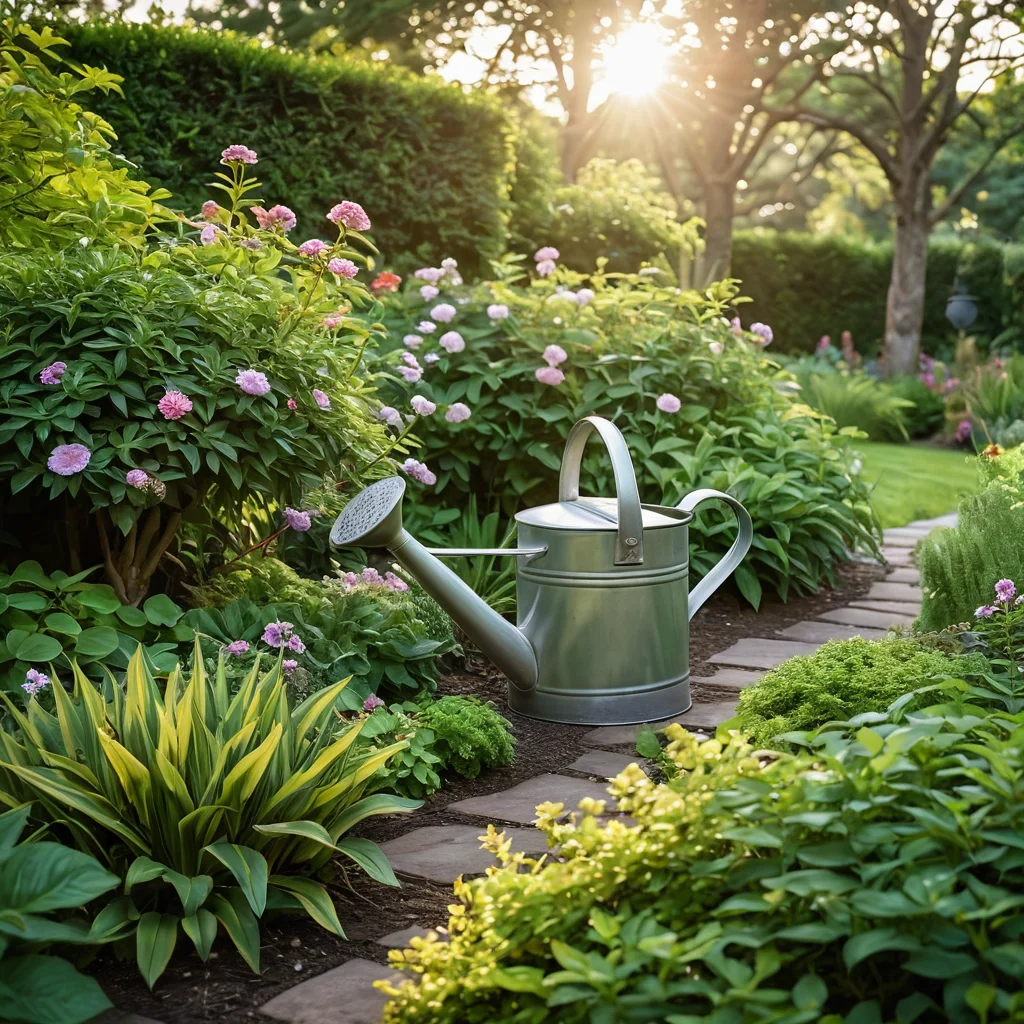
Creating a “secret” garden is only half the battle. For it to delight you with its beauty, coziness, and mystery for many years, it needs proper and, most importantly, timely care. I always say that a garden is a living organism that requires care and attention, but at the same time dislikes excessive fuss.
Regular Watering
This is the foundation. Timely watering is especially important for young plants and during hot, dry periods.
- Best time for watering: Early morning or late evening, when the sun is not too active.
- Watering depth: Water plants generously so that moisture penetrates deep into the soil. Surface watering stimulates the growth of surface roots, which dry out faster.
- Consider plant needs: Some plants (e.g., succulents) require much less water than moisture-loving species.
Plant Fertilization
Plants, like us, need nutrients for growth and flowering. A “secret” garden, where lush greenery and abundant flowers reign, requires regular feeding.
- Spring fertilization: Complex fertilizers rich in nitrogen to stimulate growth.
- Summer fertilization: Fertilizers with increased phosphorus and potassium content for abundant flowering.
- Autumn fertilization: Potassium fertilizers to strengthen plants before winter.
- Organic fertilizers: Compost, manure – an excellent option for maintaining soil fertility.
Pruning and Shaping
Pruning is an important element of care that helps maintain the desired shape of plants, stimulate flowering, and prevent diseases.
- Sanitary pruning: Removal of dry, damaged, or diseased branches is done in spring and autumn.
- Formative pruning: Giving shrubs and trees the desired shape. Performed depending on the type of plant.
- Pruning for flowering: Some plants (e.g., roses, hydrangeas) require special pruning to stimulate flowering.
- Hedge trimming: To maintain density and a neat appearance.
Pest and Disease Control
A “secret” garden, like any other, can be subject to pests and diseases. Prevention is the best way to avoid problems.
- Regular plant inspection: Carefully inspect leaves and stems to detect problems in time.
- Preventive treatments: Use safe, natural remedies for prevention.
- Removal of affected parts: If you notice signs of disease or pests, immediately remove the affected parts of the plant.
- Attracting beneficial insects: Birds, ladybugs, lacewings are your allies in pest control.
Care for Paths and Decorative Elements
Don’t forget about the “inanimate” elements of your garden.
- Path cleaning: Remove weeds, fallen leaves.
- Mulch replenishment: Add a fresh layer of mulch as needed.
- Care for wooden elements: Treat them with protective agents against rot and insects.
- Cleaning fountains and ponds: Regularly clean them of debris and algae.
The secret to eternal mystery: Let your “secret” garden be a little “wild”! Don’t strive for perfect order. A touch of carelessness, overgrown plants, fallen leaves, moss-covered stones – all of this adds charm and makes the garden truly “secret” and mysterious. The main thing is to observe your plants, understand their needs, and act in harmony with nature.
Common Mistakes When Creating a “Secret” Garden and How to Avoid Them
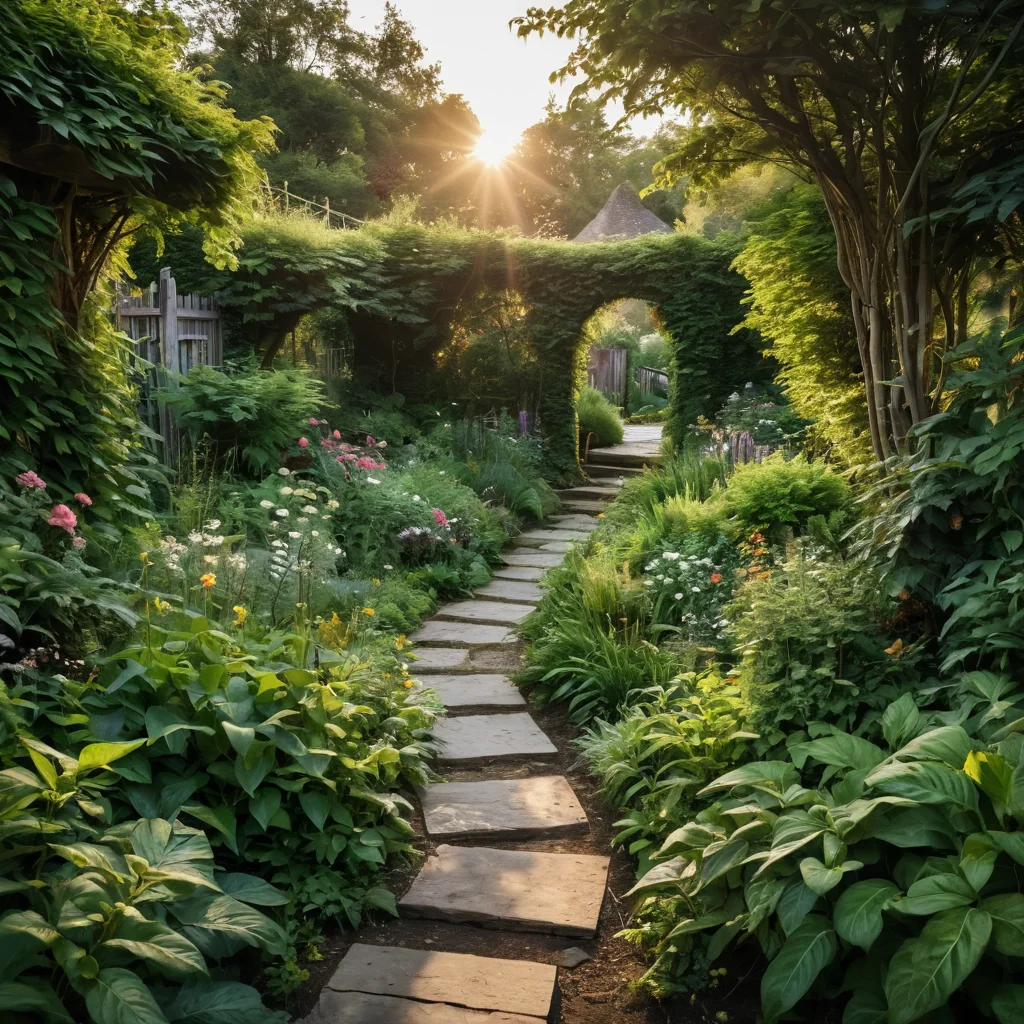
Even the most well-thought-out plans can encounter pitfalls. I myself have made mistakes more than once while creating my “secret” garden, and I’m ready to share my experience so you can avoid these common traps. The main thing is not to be afraid to start and to learn from your mistakes!
Mistake 1: Overly Complex Plan for a Small Plot
What happens: Trying to fit too many “secret” zones, labyrinths, water features, and decorative elements into a small area. As a result, the garden looks overloaded, cramped, and loses its “airiness.”
- How to avoid:
- Start small. Create one or two cozy corners, not a complex labyrinth.
- Use visual tricks: Green screens, mirrors, vertical gardening help create the illusion of more space.
- The principle of “less is more.” It’s better to have fewer elements, but well-thought-out and harmoniously integrated.
Mistake 2: Incorrect Plant Selection
What happens: Plants that are not suitable for the given conditions (too much sun/shade, dryness/moisture) do not take root well, get sick, and do not create the desired effect.
- How to avoid:
- Study plant needs. Choose those that are suitable for your climate zone and specific location on the plot.
- Consider growth rate. Some plants grow slowly, others very quickly. This needs to be taken into account during planning.
- Create multi-tiered plantings. This will help create density and seclusion faster.
- Don’t be afraid to use fast-growing annuals to quickly fill in space while perennials grow.
Mistake 3: Lack of Clear Boundaries or, Conversely, Excessive Strictness
What happens: The garden merges with the rest of the plot, losing its “secret” feel. Or, conversely, the boundaries are too rigid, artificial, depriving the garden of its natural beauty.
- How to avoid:
- Use natural materials for boundaries: Hedges, intertwined branches, stones.
- Create smooth transitions: Let the “secret” garden gradually “flow” into the main garden, rather than abruptly ending.
- Use “invisible” boundaries: Small changes in elevation, different types of paving.
Mistake 4: Ignoring Lighting
What happens: A “secret” garden that is beautiful during the day remains dark and unattractive at night. Half of its charm is lost.
- How to avoid:
- Consider lighting during the planning stage.
- Use various light sources: Spotlighting plants, paths, decorative elements, fairy lights.
- Create an atmosphere, not just illuminate the space.
Mistake 5: Overly Complex Maintenance
What happens: You create a garden that requires constant, labor-intensive care, and over time it starts to tire you out rather than delight you.
- How to avoid:
- Choose low-maintenance plants.
- Use mulching: This reduces weeding and conserves moisture.
- Create zones with different levels of care. Perhaps the central area will be more manicured, and the far corners more wild.
- Automate watering: If possible.
The main advice: Don’t strive for perfection from the first attempt. A “secret” garden is a living project that will evolve with you and your plot. Enjoy the process, create, experiment, and then your “secret” garden will become a true place of strength and inspiration!