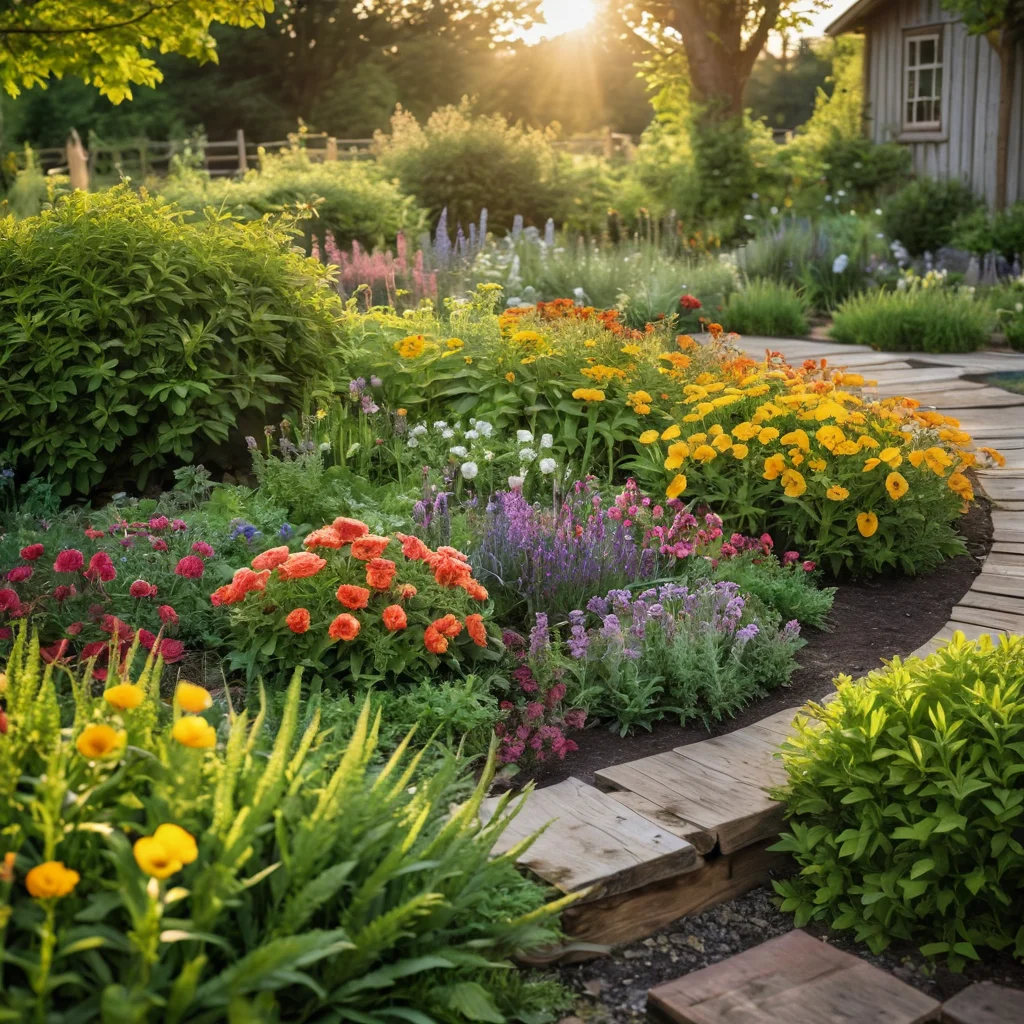
Imagine: after a summer rain, the air is filled with the scent of damp earth and freshly cut grass. The sun breaks through the still wet leaves, scattering golden glints across the garden. In this peaceful picture, something is missing? A bright, bold accent that speaks of your individuality, your love for creativity and nature. A palette-shaped flowerbed can be just such an accent – a true art object that will turn your garden into a canvas for the boldest floral fantasies. It’s not just a place for plants, it’s the embodiment of your soul, your brush, a miracle created by your hands.
Why Choose a Palette-Shaped Flowerbed: Ideas for Inspiration
Have you ever wondered how to add a touch of real art to your garden? Ordinary flowerbeds are wonderful, but what if you want something more, something that will draw admiring glances and speak of your individuality? A palette-shaped flowerbed is exactly that kind of solution. It combines the beauty of nature with the magic of creativity, transforming your plot into a unique space.
Here’s why this idea is so appealing:
- Originality. Forget standard shapes. A palette is an unconventional, memorable element that will immediately set your garden apart.
- Creative Freedom. The very idea of a palette implies a mix of colors. It’s the perfect platform for experimenting with plant colors, shapes, and textures. You can recreate a favorite painting or create your own floral masterpiece.
- Practicality and Functionality. Despite its artistic focus, such a flowerbed is quite functional. It can serve as a decorative element, a way to zone space, and even a mini-herb garden if you choose the right plants.
- Inspiration for the Whole Family. Creating such a flowerbed is an engaging process that all family members, young and old, can participate in. It’s a great way to instill a love for gardening and creativity in children.
- Budget-Friendly Landscape Design. Many DIY garden decor ideas can be implemented with minimal cost. A palette made from readily available materials is proof of this.
Imagine yourself, armed with a watering can and a trowel, like an artist, ‘painting’ your garden, choosing shades and arranging ‘brushstrokes’ of flowers. It’s not just work, it’s meditation, an opportunity to shed the everyday hustle and immerse yourself in a world of beauty and harmony.
Types of Palette Flowerbeds: Shape, Size, and Color Scheme
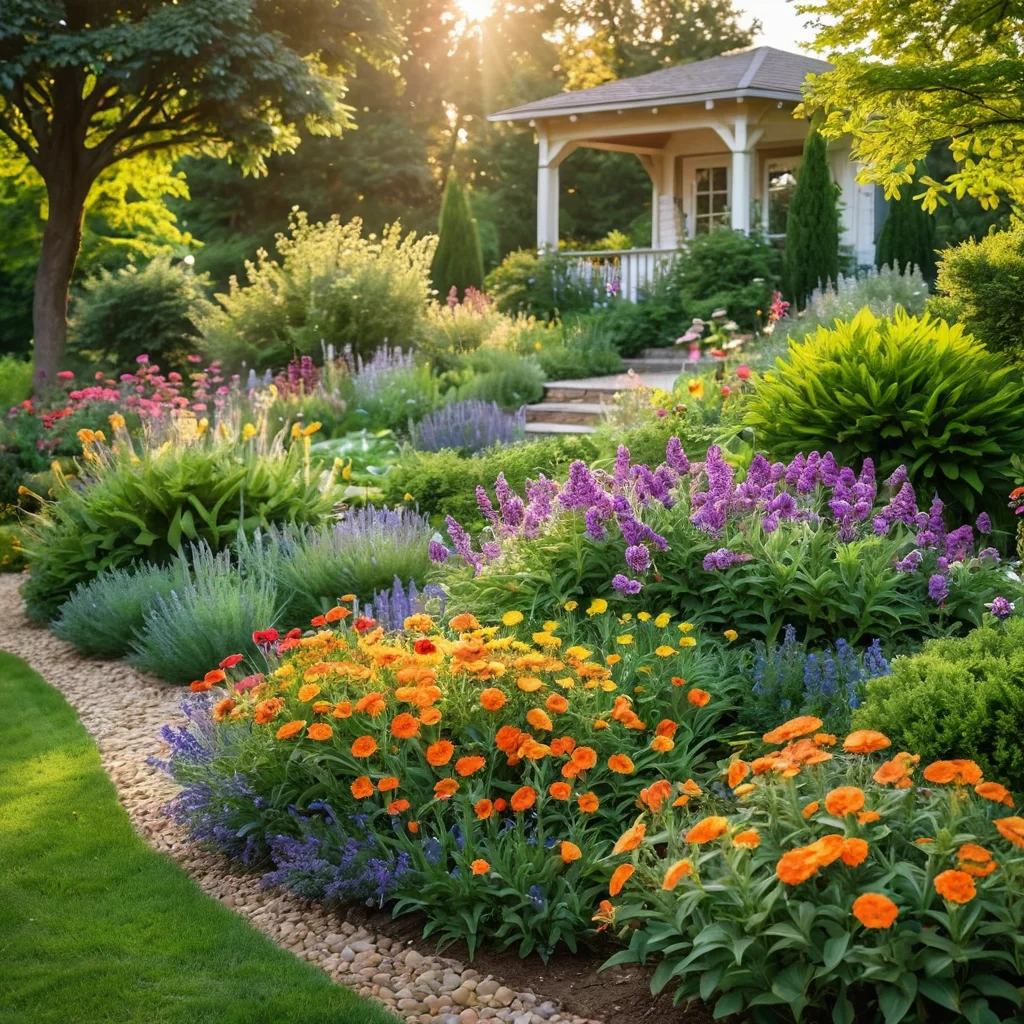
The shape of the palette can be absolutely anything your imagination suggests. A classic rectangular artist’s palette, a round, oval one resembling a butterfly’s wing, or even an asymmetrical one – it all depends on your vision and the characteristics of your plot. The important thing is that it harmoniously fits into the overall garden style.
The size of the flowerbed also plays a key role. It should be proportional to the scale of your plot. An impressive palette will look spectacular in a large space, while a compact option will suit a small garden or balcony. Don’t be afraid to experiment: you can create one large central palette flowerbed or several small ones placed in different parts of the garden.
The color scheme is the heart of your palette flowerbed. Here you can go in several directions:
- Realistic Palette: imitating real paints. Use plants that correspond to the colors mixed on an artist’s palette: red (petunias, geraniums, salvia), blue (ageratum, lobelia, verbena), yellow (marigolds, calendula, gaillardia), green (hostas, ornamental grasses, boxwood), white (pansies, alyssum, gypsophila), orange (coleus, calendula, snapdragon), purple (lavender, sage, viola), and even black (black petunia, marigolds, coleus).
- Contrasting Palette: playing on opposites. Combining bright, saturated colors with white or black will create a dramatic effect. For example, red poppies against black foliage or bright yellow sunflowers against dark blue ageratum.
- Monochromatic Palette: using different shades of the same color. This could be a palette of blue and purple shades, creating a sense of coolness and calm, or, conversely, a play of fiery shades – from soft pink to burgundy.
- Rainbow Palette: a smooth transition of colors from one to another, imitating a rainbow. This is the most cheerful and striking option that always attracts attention.
It’s important to remember that the ‘canvas’ for your palette doesn’t have to be just the ground. It could be an old wooden board, a section of fence, or even a specially constructed base. This way, you can create a palette flowerbed almost anywhere.
Materials for Creating a Palette: From Simple to Original Solutions
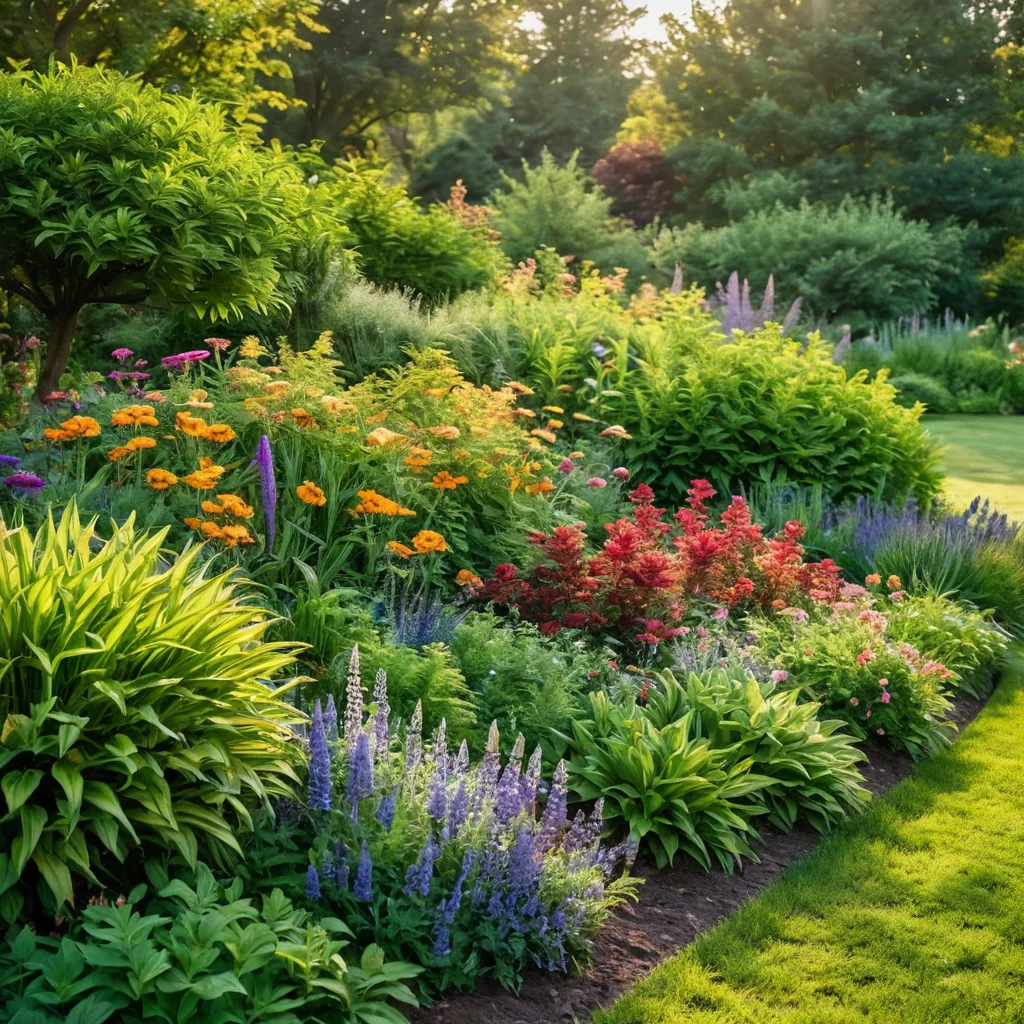
The base of your palette flowerbed is its ‘canvas’. The durability, appearance, and complexity of creation will depend on the material you choose. Don’t be afraid to use unconventional approaches, as the main idea is creativity!
Traditional and Accessible Options:
- Wood. Old boards, pallets, wood slices, even stumps – all of these can be an excellent base. Wood is easy to work with, paint, and looks very natural in the garden. Paint it a neutral color or leave its natural texture. The main thing is to treat the wood with protective compounds against rot and pests.
- Tires. Old car tires painted in bright colors are a simple and budget-friendly way to create an original flowerbed. They can be used whole or cut to create unusual shapes.
- Stone. Curb stones, natural boulders, or even broken bricks can form the base for your palette. This is a more durable and monumental option.
- Metal. Old metal sheets, barrels, buckets – if they are not too damaged by corrosion, they can be used. Metal can be painted in any color, creating a striking contrast with the greenery.
More Original and Creative Ideas:
- Old Furniture. Believe my experience, an old chest of drawers, a nightstand, or even a bathtub can be transformed into an amazing flowerbed. Just remove the insides, drill drainage holes, and fill with soil.
- Plastic Containers. Large plastic containers, old barrels, even cut-off canisters – all of these can serve as a base. They are easy to clean, paint, and move.
- Concrete. You can create a unique shape from concrete, giving it the appearance of a real palette. This requires some skill, but the result will exceed all expectations.
- Combined Materials. Don’t be afraid to combine different materials. For example, a wooden base can be complemented with elements of stone or metal.
Tip from an experienced gardener: before you finalize your material choice, assess its durability, weather resistance, and, of course, your own budget and skills. Don’t forget about drainage – it’s crucial for plant health.
Step-by-Step Instructions: How to Make a Palette Flowerbed on Your Plot
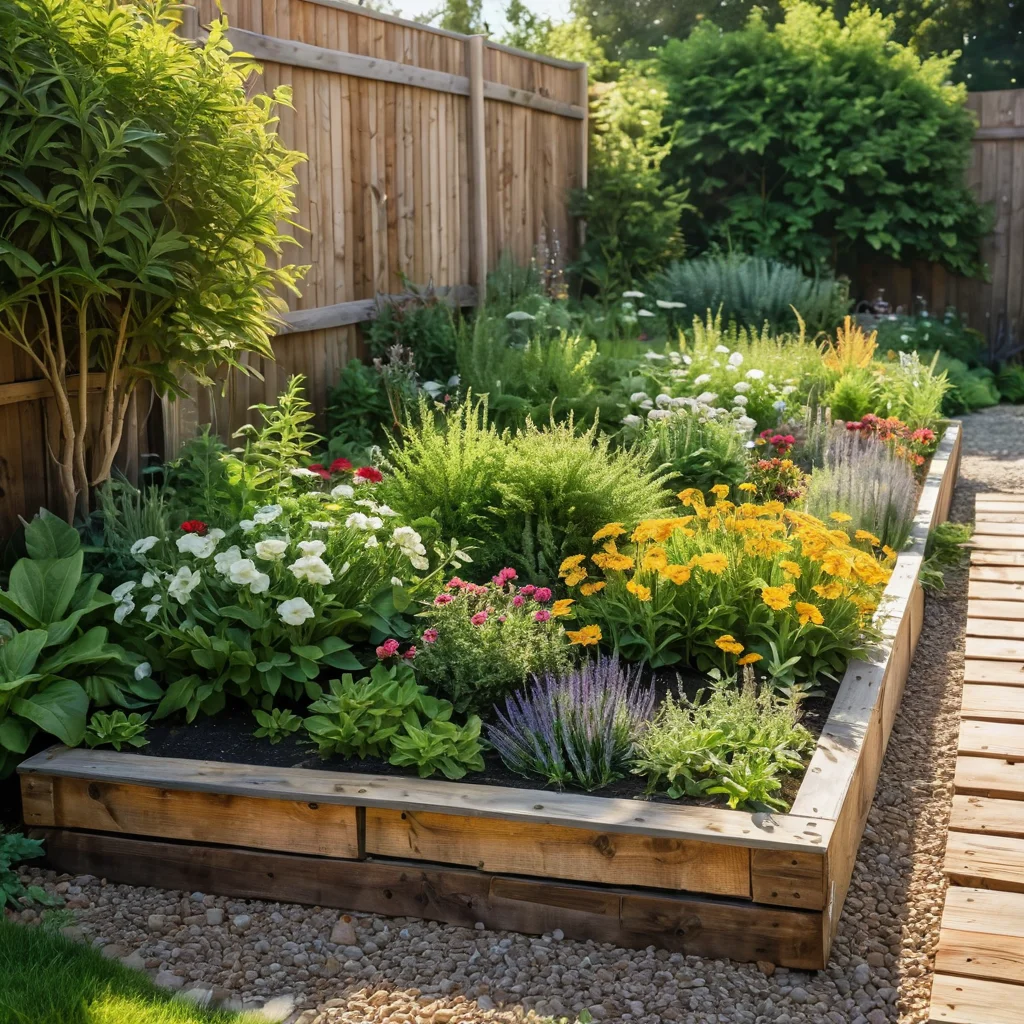
Creating a palette flowerbed is an exciting creative process that anyone can do. Follow these step-by-step instructions, and you’ll succeed!
- Planning and Sketching. Start by deciding on the location for your future flowerbed. Consider the plot’s lighting, visibility, and overall garden style. Draw a sketch of the palette, determine its dimensions, shape, and the approximate placement of the ‘paint spots’ for the flowers. Think about where the artist’s ‘thumb’ will be – this could be the highest point or a protruding element.
- Preparing the Base. Choose the material for the base (wood, tires, stone, etc.) and prepare it. If it’s wood, treat it with an antiseptic and paint it (if planned). If it’s tires, clean and paint them. If you’re creating a concrete form, prepare the formwork.
- Creating the Shape. Following your sketch, create the palette shape. This could involve assembling wooden boards, laying stones, arranging tires, or forming a concrete structure. Ensure the shape is sturdy and stable.
- Preparing Drainage. Lay a drainage layer at the bottom of the future flowerbed. This can be expanded clay, gravel, broken bricks, or pebbles. The layer thickness should be 10-15 cm. Drainage is necessary to remove excess moisture and prevent root rot.
- Filling with Soil. Pour fertile soil on top of the drainage. It’s best to use a ready-made mix for flowerbeds or prepare it yourself by mixing garden soil, compost, and peat in equal proportions. The soil level should be slightly below the edges of your palette.
- Marking and Planting. Begin planting according to your sketch. First, place the larger plants, then move on to medium and small ones. Use plants of different shapes, sizes, and textures to create volume and depth.
- Decorating (Optional). After planting, you can add decorative elements: colored pebbles, small figurines, mulch.
Important Tip: start creating your flowerbed in spring or early autumn when the soil is still warm and moist. This will allow the plants to establish their roots before the frost.
Choosing Plants for a Palette Flowerbed: Creating Harmonious Color Combinations
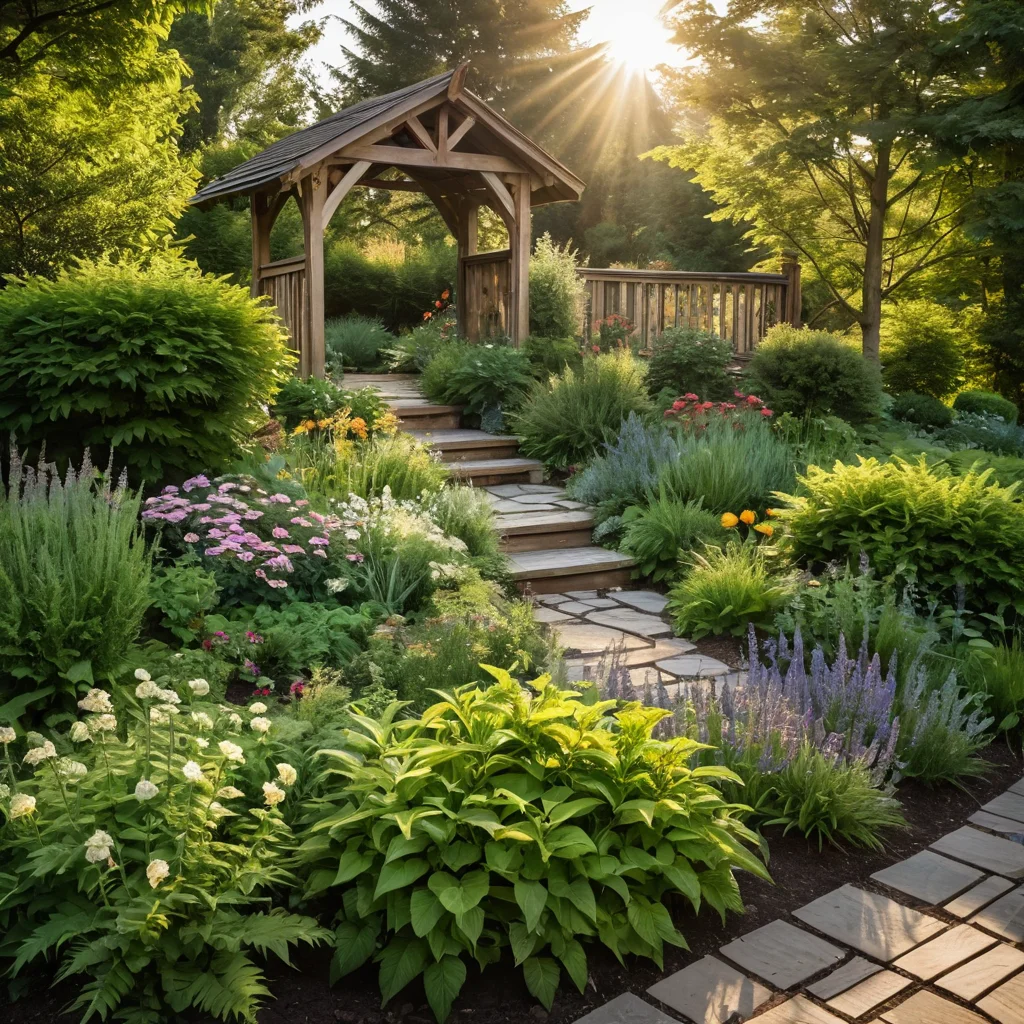
The most exciting stage is choosing the plants! Here you become a true colorist, selecting ‘paints’ for your masterpiece. The main rule is color harmony and compatibility of plants in terms of growing conditions.
Examples of Color Combinations and Suitable Plants:
- Bright Spots (imitating paints):
- Red: Petunia ‘Opera Supreme’, Salvia splendens, Geranium grandiflorum, Portulaca.
- Yellow: Marigolds (various varieties), Calendula, Gaillardia, Snapdragon.
- Blue/Purple: Ageratum, Lobelia erinus, Verbena hybrida, Salvia nemorosa, Lavender.
- Orange: Coleus, Calendula, Nasturtium, Cineraria.
- White: Alyssum, Pansies, Gypsophila paniculata, Begonia tuberhybrida.
- Pink: Petunia, Pelargonium, Pansies.
- Green ‘Brushstrokes’ (base and background):
- Ornamental Foliage: Hostas (in various shades of green, blue, gold), Coleus (with bright patterns), ornamental grasses (fescue, miscanthus), Santolina, Cineraria.
- Evergreen Plants: Boxwood, low-growing conifers.
- Play of Shades:
- Different shades of red: from soft pink to burgundy (e.g., petunia, pelargonium, salvia).
- Different shades of blue: from sky blue to indigo (e.g., lobelia, ageratum, verbena).
- Different shades of yellow: from pale lemon to golden (e.g., marigolds, calendula, yarrow).
- Contrasting Combinations:
- Bright orange and dark purple.
- Red and blue.
- Yellow and purple.
What else to consider:
- Plant Height. Plan the planting so that the tallest plants are at the back or in the center, and low-growing ones are at the edges.
- Flowering Time. Choose plants with different flowering times so that your palette delights with colors for as long as possible.
- Lighting Conditions. Ensure that all chosen plants prefer sun, partial shade, or shade, depending on the flowerbed’s location.
- Care. Choose plants that do not require overly complicated care, especially if you are new to gardening.
Remember, these are just recommendations. Don’t be afraid to experiment and create your own unique color compositions. Your palette flowerbed is your creation, and only you decide what it will be.
Caring for a Palette Flowerbed: Watering, Fertilizing, and Seasonal Tasks
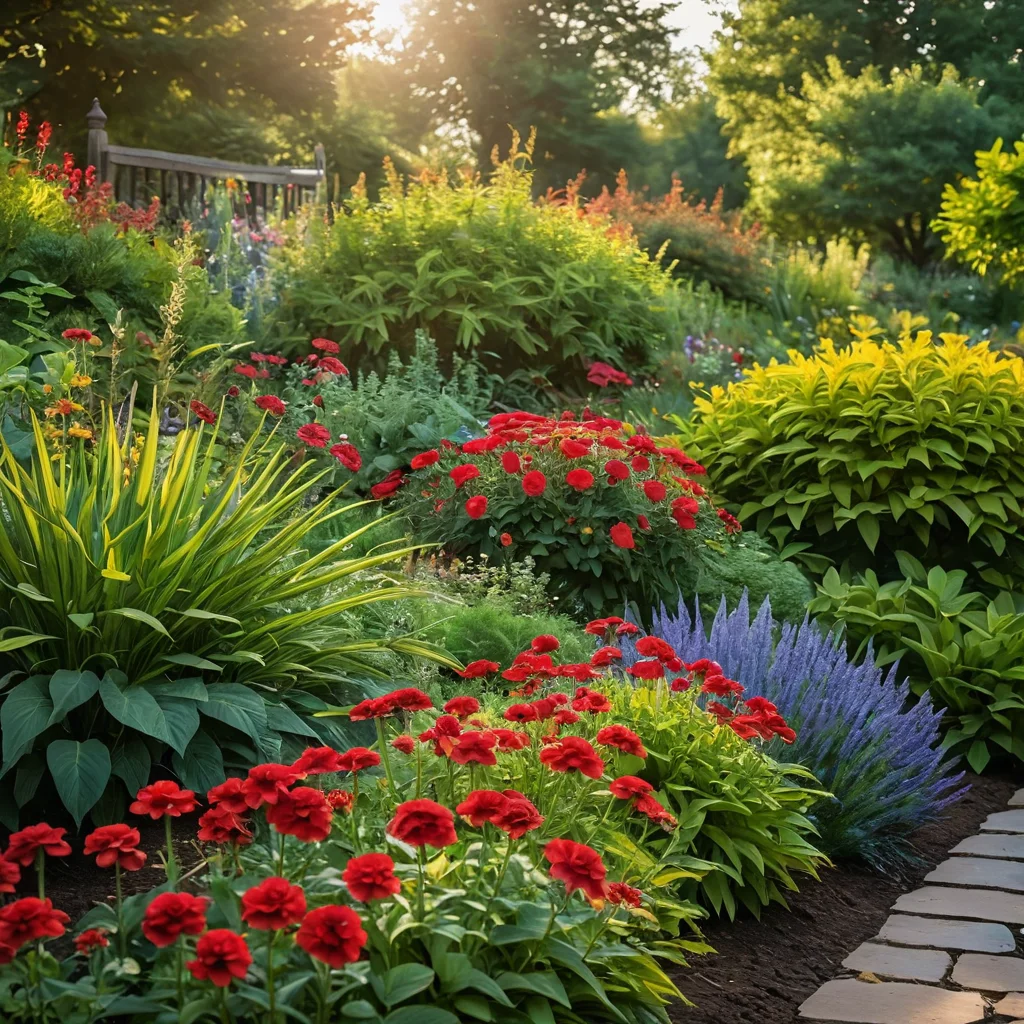
To ensure your palette flowerbed delights with its brightness and beauty for many years, it needs regular and proper care. It’s not much more complicated than caring for an ordinary flowerbed, but it has its own nuances.
Key Aspects of Care:
- Watering. This is the foundation. Water plants regularly, especially in hot, dry weather. The best time to water is morning or evening when the sun is not active. Avoid getting water on the leaves; water at the root. The watering depth should be sufficient for moisture to reach the roots. Watering frequency depends on the type of plants, weather, and soil composition.
- Fertilizing. Plants growing in the confined space of a flowerbed require additional nutrients. Use complex mineral fertilizers for flowering plants. Apply them according to the instructions, usually every 2-3 weeks during the period of active growth and flowering. You can alternate mineral fertilizers with organic ones (e.g., compost or manure), but don’t overdo it, to avoid excessive foliage growth at the expense of flowering.
- Loosening and Weeding. Regularly loosen the soil around the plants to ensure air circulation to the roots and remove weeds that take nutrients and moisture away from cultivated plants. Remove weeds manually or with a hoe, trying not to damage the flower roots.
- Deadheading. Regularly prune faded blooms. This not only improves the appearance of the flowerbed but also stimulates the formation of new flowers, extending the blooming period.
- Pest and Disease Control. Periodically inspect plants for pests (aphids, spider mites) or signs of disease (leaf spots, wilting). If detected, use appropriate insecticides or fungicides, following the instructions. Prevention is the best method of control: observe crop rotation, avoid overcrowding, and remove plant debris in the fall.
- Seasonal Tasks.
- Spring: cleaning the flowerbed of winter debris, applying complex fertilizers, transplanting (if necessary), planting new plants.
- Summer: regular watering, fertilizing, weeding, deadheading, pest and disease control.
- Autumn: pruning faded plants, clearing plant debris, applying autumn fertilizers (with reduced nitrogen content), covering heat-loving perennials for winter.
- Winter: for perennial plants, if they remain in the flowerbed, provide frost protection (cover with spruce branches, dry leaves).
A Little Secret: mulching the soil around plants (a layer of 5-7 cm) helps retain moisture, suppress weed growth, and improve soil structure. Bark, wood chips, decorative gravel, or compost can be used as mulch.
Common Mistakes in Creating and Caring for a Palette Flowerbed and How to Avoid Them
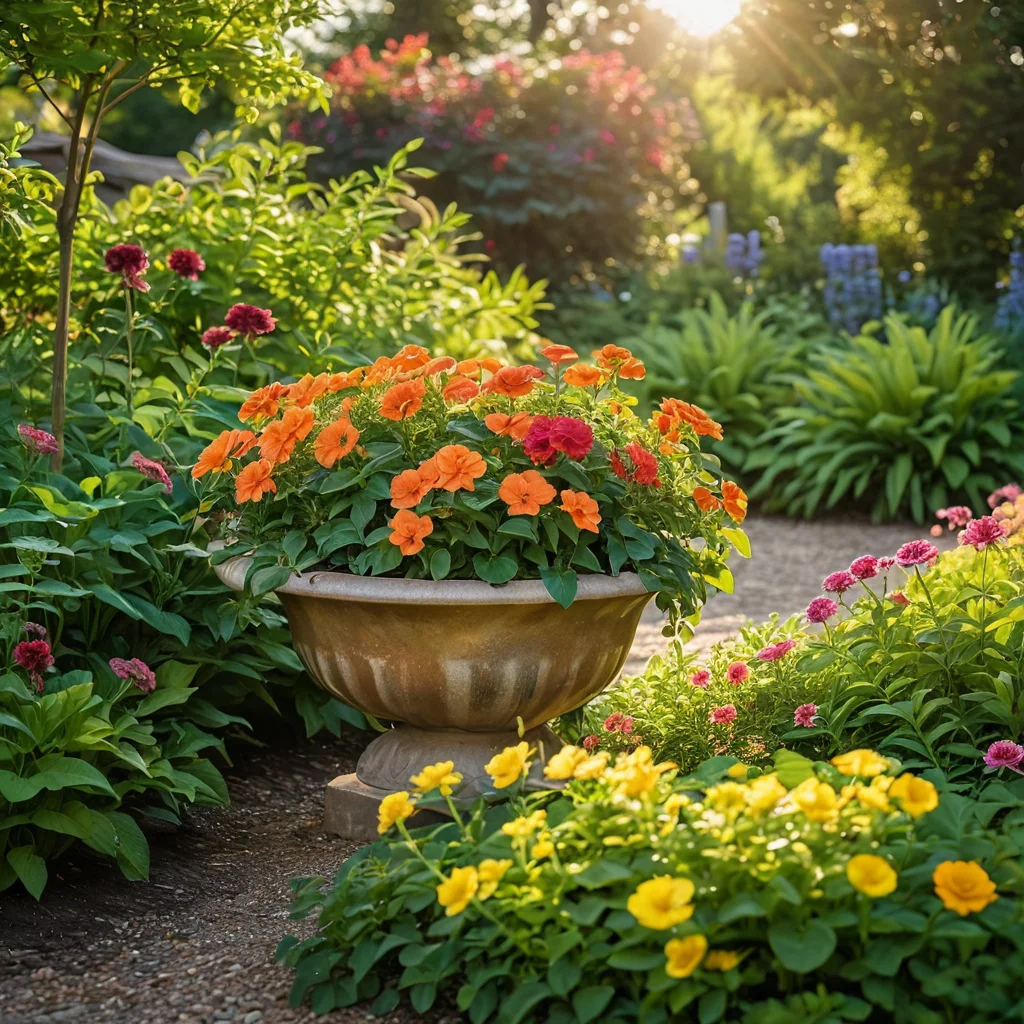
Even the most creative ideas can be ruined by unfortunate mistakes. But don’t worry, experienced gardeners make them all; the main thing is to learn to recognize and avoid them. Let’s look at the most common blunders in creating and caring for a palette flowerbed so that your ‘canvas’ always looks impeccable.
Mistakes During Creation:
- Incorrect Location Choice. Planting shade-loving plants in a sunny spot (or vice versa) is the most common mistake. Before choosing a location, carefully study the lighting needs of each plant.
- Lack of Drainage. Without a drainage layer, water will stagnate, leading to root rot. Ensure there is a good layer of drainage material at the bottom of the flowerbed.
- Unsuitable Soil. Using heavy clay soil or overly poor sandy soil can negatively affect plant growth and flowering. Always use nutrient-rich, loose soil suitable for the flowers you’ve chosen.
- Overcrowding. Plants need space to grow. Overly dense planting will lead to competition for light, water, and nutrients, as well as disease development. Maintain recommended spacing between plants.
- Ignoring Plant Sizes. Planting tall plants at the front of the flowerbed will cause them to cover shorter flowers. Plan planting according to the principle of ‘from large to small’.
- Choosing Plants with Different Care Requirements. Joint planting of plants that require different watering, lighting, or fertilizing regimes is doomed to failure. Choose ‘companions’ with similar needs.
- Unstable Base. If your ‘palette’ is made of flimsy materials or is poorly secured, it may deform or collapse under the weight of the soil or weather conditions.
Mistakes During Care:
- Incorrect Watering. Both lack and excess of moisture are detrimental. It’s important to find a ‘golden mean’ and water plants in a timely manner, considering the soil condition and plant needs.
- Nutrient Deficiency. Flowers, especially those that bloom profusely, are very demanding of nutrients. Regular feeding is the key to lush flowering.
- Neglecting Weeding. Weeds are not only unsightly but also dangerous to cultivated plants.
- Failure to Deadhead. This leads to a decrease in the flowerbed’s attractiveness and a reduction in the number of new buds.
- Ignoring Pests and Diseases. A minor problem can quickly escalate into a disaster if not noticed and addressed in time.
- Untimely Pruning. Some plants require formative pruning or rejuvenating trimming.
How to Avoid Mistakes?
- Thorough Planning. Before starting, create a detailed plan, a sketch, select plants, and study their needs.
- Quality Materials. Don’t skimp on the base and soil.
- Regular Observation. Carefully observe your plants to notice any changes in time.
- Information Gathering. Don’t be afraid to read, ask experienced gardeners for advice, and search for information online.
- Patience and Practice. Gardening is a learning process. Don’t get discouraged if something doesn’t work out the first time. Keep creating, and your garden will surely become a source of pride!
A palette flowerbed is not just a floral arrangement; it’s your personal contribution to art, a way to express yourself and make the world around you a little brighter. Go for it, and let your garden become a true masterpiece!