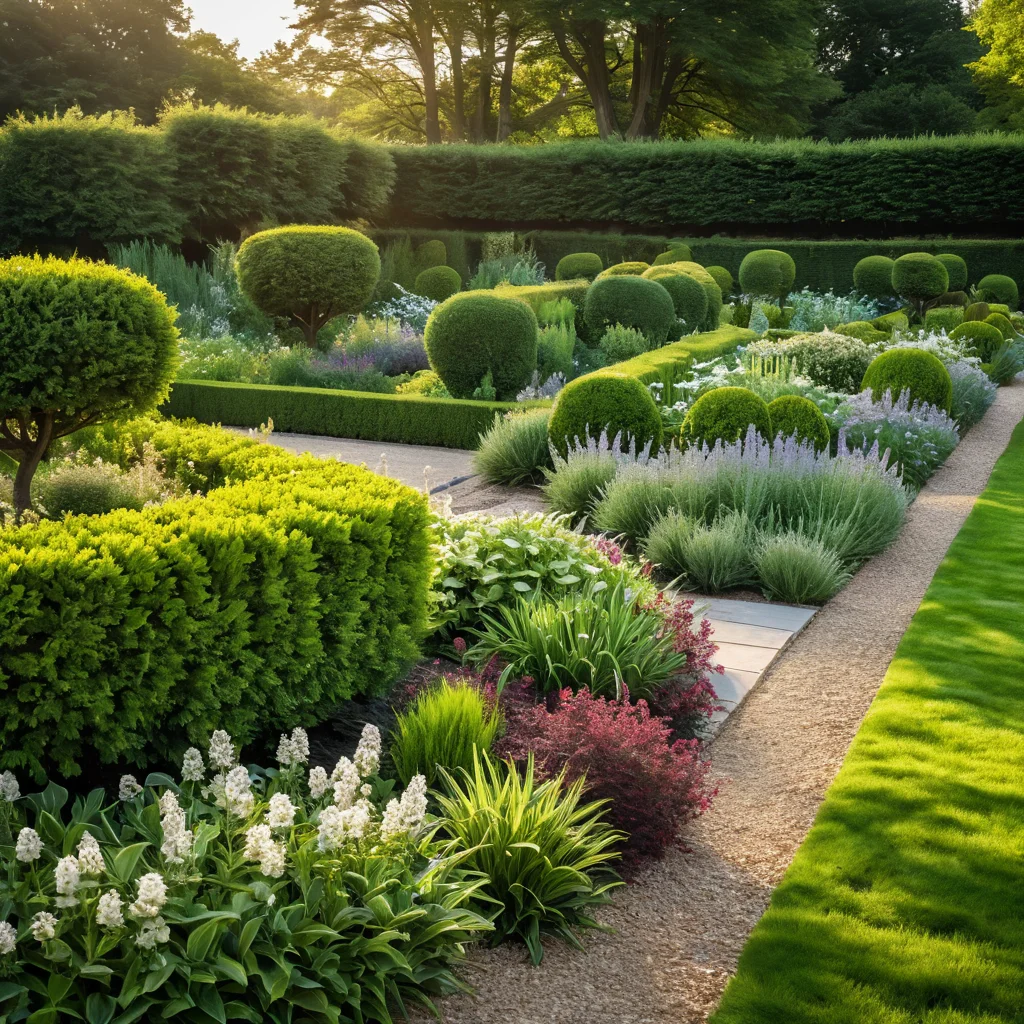
Imagine: a gentle breeze rustles delicate petals, the air is filled with the aroma of herbs and flowers, and before you is a captivating picture where clean lines and contrasting colors create a unique pattern. This is not just a flowerbed, it’s a true work of art, born from your imagination and love for the land. Today, we’ll talk about a ‘chess’ flowerbed – an elegant solution that can transform any plot, whether it’s a modest dacha or a spacious garden.
What is a Chess Flowerbed and Why Will It Be the Highlight of Your Garden?
A chess flowerbed is essentially a floral composition built on the principle of contrast, most often black and white or dark and light. The main idea is to create a clear, geometric pattern resembling a chessboard, using plants that differ in leaf color, flower color, or texture. It’s not just a collection of flowers, but a thoughtful design that attracts the eye and adds a special elegance and graphic quality to the garden. Such a flowerbed can become a true art object, drawing the attention of passers-by and earning the admiration of your guests. It looks spectacular at any time of year, even in winter, when its outlines are preserved by the dark green or burgundy foliage of evergreen plants.
Why is it so attractive?
- Visual Effect: The contrast of colors creates a powerful optical effect, making the flowerbed noticeable and expressive. This adds structure and depth to the garden.
- Versatility: A chess flowerbed fits perfectly into a variety of styles – from strict minimalism and modern to more traditional landscape gardens, where it serves as an accent.
- Ease of Execution: Despite its apparent complexity, creating such a flowerbed is within the reach of even a beginner gardener. The main thing is to choose the right plants and plan the planting scheme.
- Space Manipulation: Clear patterns can visually correct space, making narrow areas wider and small ones more organized.
- Uniqueness: Such a flowerbed is your personal canvas. You can experiment with shapes, sizes, and, of course, color combinations, creating a unique design.
I remember the first time I saw a similar design in an old botanical garden. It was stunning – the dark, almost black leaves of barberry, interspersed with silvery wormwood, created a pattern of incredible depth and rigor. Since then, I’ve started experimenting with ‘chess’ ideas in my own garden, and believe me, it’s a fascinating process!
Ideas for a Chess Flowerbed: From Classic to Modern
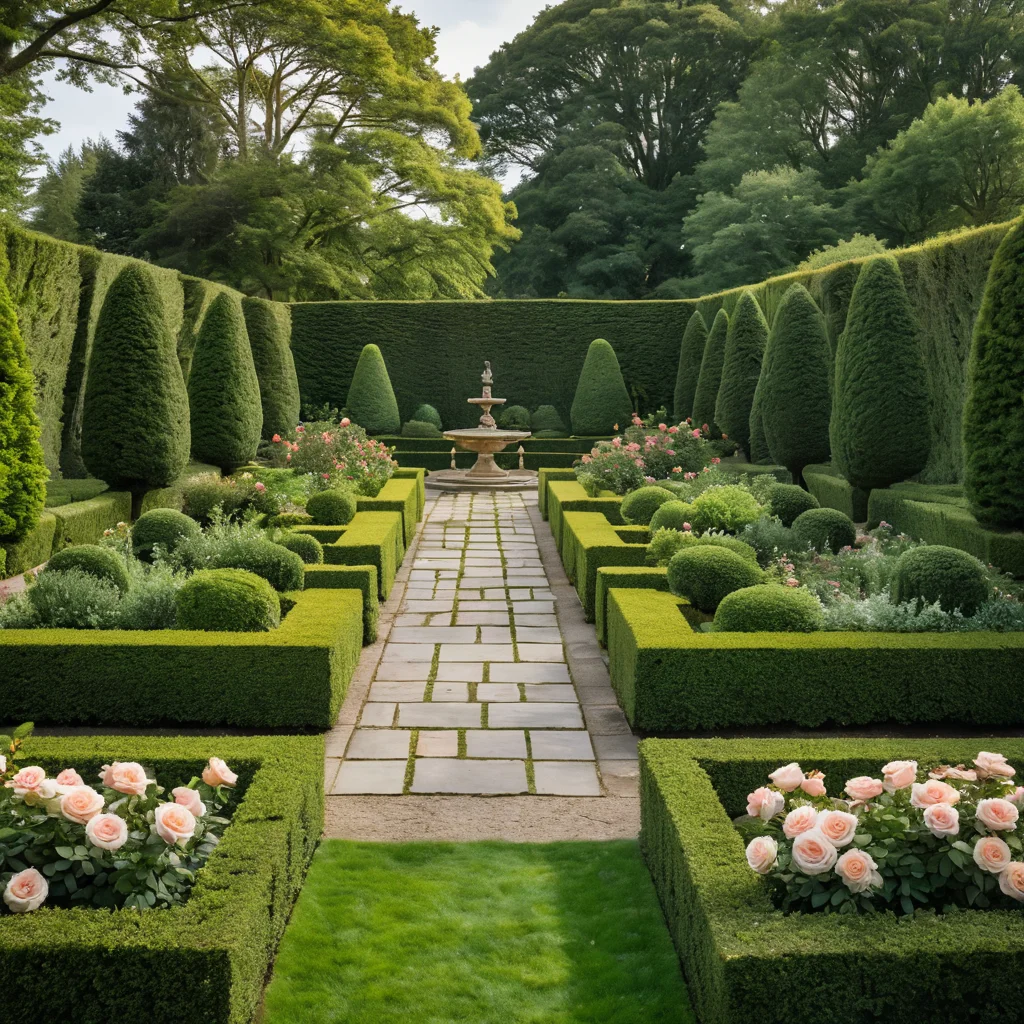
The classic representation of a chess flowerbed is, of course, a black and white combination. But don’t limit your imagination! The ideas can be the most diverse, and each of them can give your garden a unique character.
Classic Black and White Flowerbed
This is the most popular option, which always looks stylish and elegant. Here, the main emphasis is on maximum contrast.
- Black Color: Often achieved with plants with dark purple or burgundy foliage (e.g., Thunberg barberry ‘Atropurpurea’, common ninebark ‘Diabolo’, ornamental kale), as well as with black flowers (e.g., some varieties of tulips, petunias, hellebores).
- White Color: This can be plants with silvery or white-variegated foliage (wormwood ‘Silver Queen’, hosta with a white border, lamb’s ears), as well as with white flowers (Japanese spirea ‘Shirobana’, daylily ‘Catherine Woodbury’, white astilbe, daisies, lavender).
Contrasting Flowerbed (Dark and Light)
If the pure black and white option seems too strict for you, you can use other contrasting combinations. For example:
- Dark Green and Lime Green: A combination of dense dark green shrubs with bright, lime green or golden hostas, heucheras, or grasses.
- Burgundy and Silver: An effective combination, for example, barberry or heuchera with dark burgundy foliage and wormwood, lamb’s ears, or weigela with silvery foliage.
- Blue and White/Silver: For example, hostas with blue-green foliage surrounded by white flowers or plants with silvery foliage.
Geometric Patterns
A chess flowerbed doesn’t necessarily have to be strictly squares. You can use:
- Circles and Spirals: Planting plants of two contrasting colors in a circle or spiral.
- Stripes: Alternating stripes of dark and light plants.
- Diagonals: Creating diagonal patterns that can visually lengthen the plot.
Modern Minimalist Solutions
Here, the emphasis is on clean lines, simple shapes, and a limited palette. Use:
- Ornamental Grasses: For example, blue fescue (silvery-blue) and feather grass (light golden).
- Evergreen Plants: Shaped thuja or junipers of contrasting shades.
- Large Forms: A few large plants of one color, surrounded by smaller plants of another color.
Don’t be afraid to experiment! Try creating a small test flowerbed in pots to see how your chosen plants combine before starting a large-scale planting.
Choosing Plants for a Black and White Effect: Contrasting Combinations
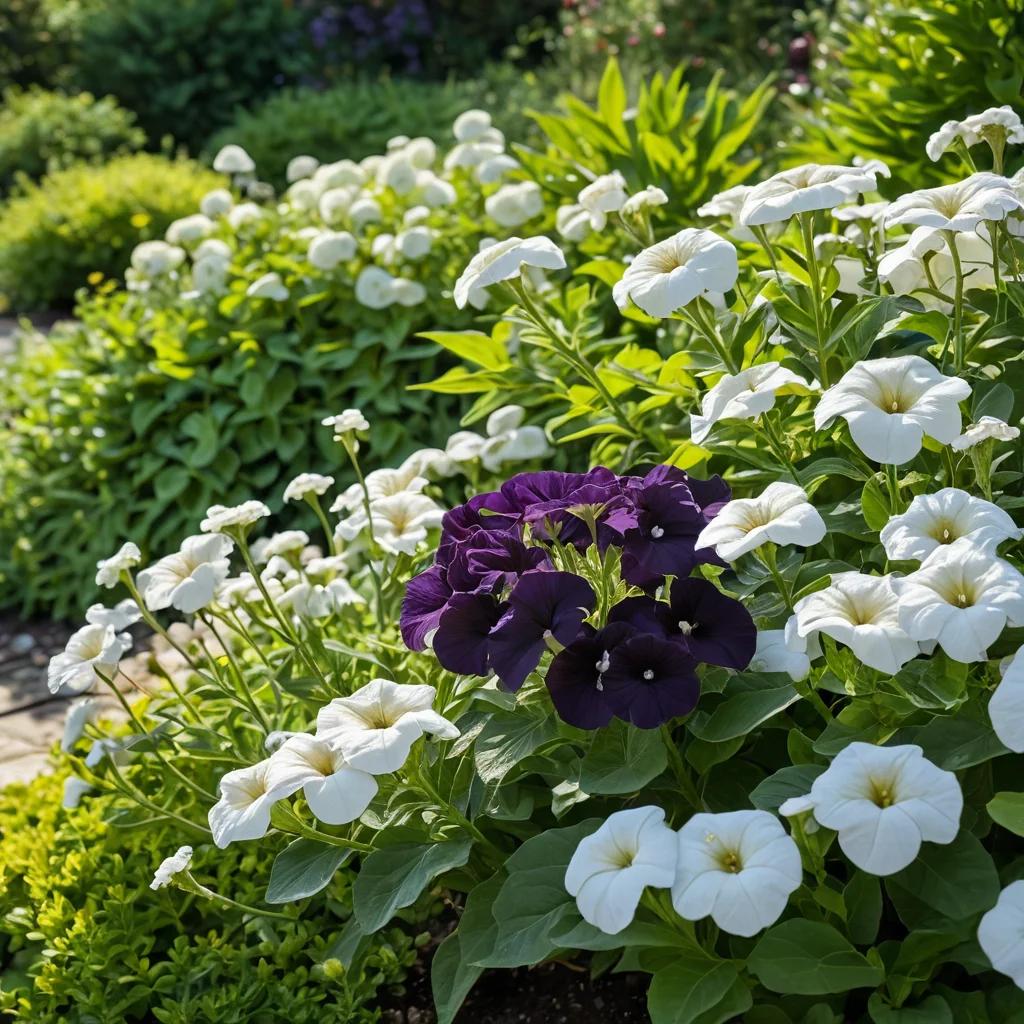
The heart of any ‘chess’ flowerbed is correctly chosen plants. They are what create that contrast that makes the composition effective. I always advise choosing plants based not only on color but also on their shape, size, and leaf texture. This will add volume and multifacetedness to your flowerbed.
Plants for ‘Black’ and Dark Burgundy Squares:
- Thunberg Barberry (Berberis thunbergii) ‘Atropurpurea’, ‘Evelyn’, ‘Dart’s Red Giant’: These varieties have a rich burgundy or purple foliage color that can appear almost black in the sun. The shrub is unpretentious, tolerates pruning and shaping well.
- Common Ninebark (Physocarpus opulifolius) ‘Diabolo’, ‘Black Pearl’: Also large shrubs with dark purple foliage. ‘Diabolo’ has a lighter shade, and ‘Black Pearl’ is almost black. They tolerate pruning very well.
- Hosta (Hosta) ‘Sum and Substance’ (dark green), ‘Purple Heart’ (burgundy), ‘Obsidian’ (almost black): Ideal for creating dark spots in shady or semi-shady areas. Their large, expressive foliage creates a dense carpet.
- Heuchera (Heuchera) ‘Obsidian’, ‘Plum Pudding’, ‘Blackberry Ice’: These herbaceous perennials have luxurious foliage in various shades – from dark burgundy to almost black. They look great at the front of the flowerbed.
- Ornamental Kale (Brassica oleracea): Unusual varieties with dark purple or black-green leaves can be a bright accent, especially in autumn.
- Black Hellebore (Helleborus niger): Blooms in early spring, but its dark green, glossy foliage is decorative even in winter.
- Tulips, Petunias, Roses, Asters: Look for varieties with dark burgundy, purple, or almost black flowers. For example, tulip ‘Queen of Night’, petunia ‘Black Velvet’, rose ‘Black Baccara’.
Plants for ‘White’ and Silvery Squares:
- Wormwood (Artemisia) ‘Silver Queen’, ‘Powis Castle’: Create silvery-gray clouds that contrast beautifully with dark foliage. They are unpretentious and drought-tolerant.
- Lamb’s Ears (Stachys byzantina) ‘Silver Carpet’: Has soft, fuzzy silvery leaves that are very pleasant to the touch. An excellent ground cover plant.
- Hosta (Hosta) ‘Patriot’, ‘White Christmas’, ‘June’: Varieties with white borders or entirely white foliage will create light accents.
- Japanese Spirea (Spiraea japonica) ‘Shirobana’: This variety is interesting because it blooms with pink and white flowers simultaneously on the same bush, creating a variegated effect.
- Astilbe (Astilbe): White varieties, such as ‘Deutschland’ or ‘Bridal Veil’, will create lush white clouds in partial shade.
- Lavender (Lavandula): Its lilac-blue flowers and silvery foliage combine beautifully with dark tones.
- White Flowers: Thousands of options – daisies, oxeye daisies, baby’s breath, alyssum, white petunias, lilies, roses.
- Silvery Grasses: Blue fescue (Festuca glauca) is a low-growing grass with bright blue-gray needles.
Important: When choosing plants, pay attention to their lighting and soil requirements. Try to select plants with similar growing conditions to make caring for the flowerbed easier.
Creating the Pattern: Step-by-Step Instructions for Planting a Chess Flowerbed

So, you’ve chosen your plants and have ideas. Now it’s time to move on to the practical part – creating the flowerbed itself. This process is not complicated, the main thing is attention and accuracy.
Step 1: Planning and Marking
First, you need to decide on the shape and size of your future flowerbed. Draw a sketch on paper, marking the location of the ‘black’ and ‘white’ squares (or dark and light spots). Consider the size of mature plants so they don’t shade each other.
For marking on the site, you can use:
- Stakes and String: For creating straight lines and corners.
- Sand or Lime: For marking contours on the ground.
- Flexible Hose: For creating smooth, curved lines.
If you’re making a classic ‘chess’ flowerbed, for example, 2 by 2 meters, you’ll need to mark 4 squares. If you want a larger pattern, say 3 by 3 meters, you’ll have 9 squares. The size of each square depends on the plants you choose. For shrubs, you can allocate 1×1 meter squares, and for herbaceous plants, 50×50 cm.
Step 2: Soil Preparation
Before planting, the soil must be thoroughly prepared. We’ll discuss this in detail in the next section, but briefly: you need to dig up the soil, remove weeds, add fertilizers, and, if necessary, improve the soil structure (e.g., add sand to clay soil or peat to sandy soil).
Step 3: Planting Plants
Begin planting according to your scheme. Usually, larger plants (shrubs) are planted first, and then the space is filled with smaller ones.
- Maintain Spacing: Do not plant plants too densely. Consider their future size.
- Grouping: Within one ‘square’, you can plant one large plant or several small ones, creating a unified composition.
- Contrast: Try to ensure that plants in adjacent ‘squares’ contrast maximally in color and texture.
Tip: If you’re creating a complex-shaped flowerbed, you can first plant along the contour and then fill in the inner space. If you’re using seedlings, remove them from the pots carefully, trying not to damage the root system.
Step 4: Compacting and Watering
After planting, lightly compact the soil around the roots to eliminate air pockets. Then, water the plants thoroughly. This will help them adapt and establish more quickly in their new location.
Step 5: Mulching
The final touch is mulching. Mulch (bark, wood chips, gravel, decorative stone) not only gives the flowerbed a finished look but also helps retain moisture, suppress weed growth, and protect plant roots from temperature fluctuations. For a black and white flowerbed, you can use contrasting mulch: for example, black mulch in ‘dark’ squares and light mulch (white gravel) in ‘light’ squares.
Don’t worry if the flowerbed doesn’t look perfect right away. The plants will grow over time, and the composition will become more harmonious.
Soil Preparation and Drainage: The Key to Your Plants’ Health
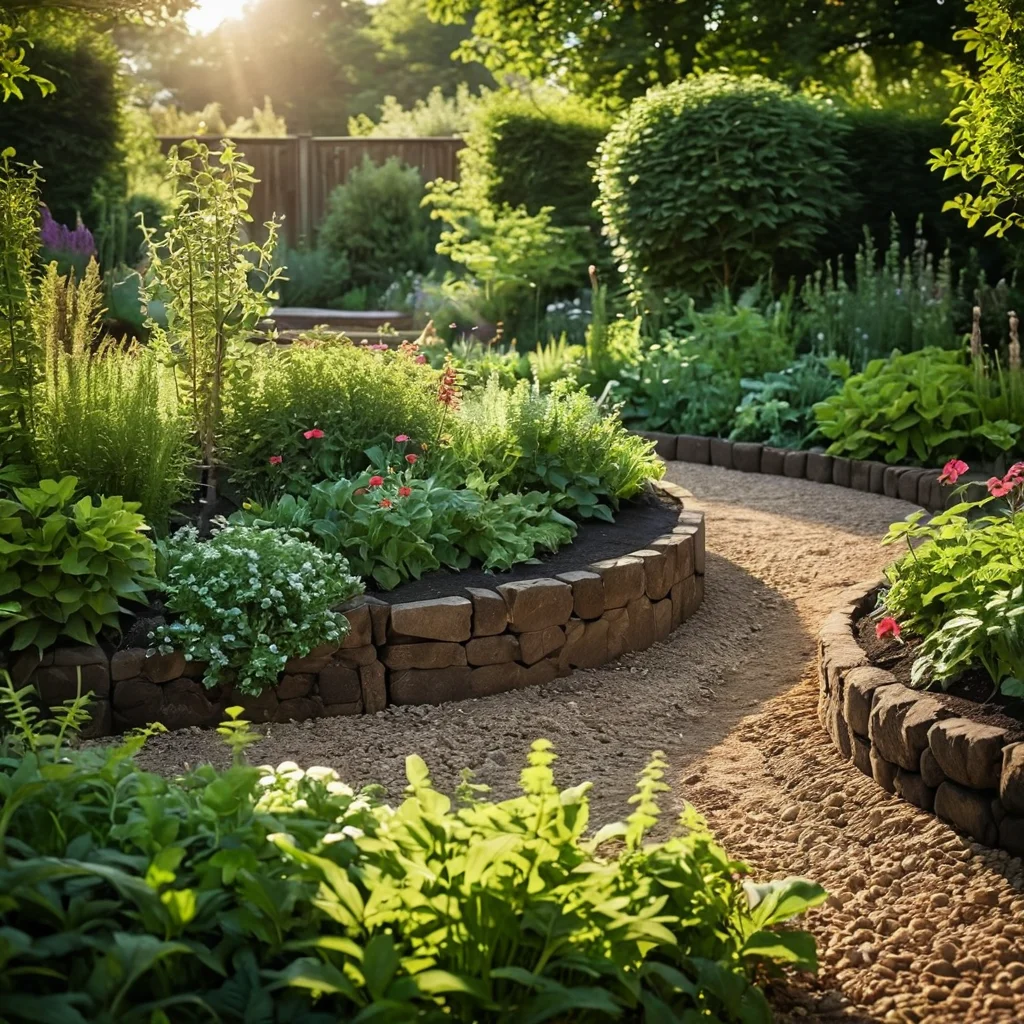
To ensure your ‘chess’ flowerbed delights you with lush blooms and a healthy appearance for years to come, it is crucial to prepare the soil properly. Believe my experience, this stage cannot be underestimated – a lot depends on it!
Why is Good Soil Important?
Well-prepared soil provides plants with:
- Access to Nutrients: Plants need to ‘eat’ to grow and bloom.
- Aeration: Roots need oxygen. Soil that is too dense and compacted hinders root respiration.
- Moisture Management: Soil should retain moisture well but also release excess, preventing waterlogging.
- Disease Protection: Healthy plants growing in favorable conditions are less susceptible to diseases.
Soil Preparation Steps:
- Site Clearing: Remove all debris, stones, and remaining roots of perennial weeds.
- Digging: Dig the area deeply (to the depth of a spade). If the soil is very heavy (clay), you can add sand or peat to make it looser. If the soil is too light (sandy), add compost or humus to help it retain moisture and nutrients better.
- Adding Fertilizers: At this stage, it is very important to add complex mineral and organic fertilizers.
- Organic Fertilizers: Humus, compost (well-rotted manure). They improve soil structure and provide plants with nutrients for a long time. Application rate is about 5-10 kg per square meter.
- Mineral Fertilizers: Complex fertilizers containing nitrogen, phosphorus, and potassium (e.g., nitroammophoska). Follow the instructions on the packaging. Nitrogen is needed for green mass growth, phosphorus for flowering, and potassium for resistance to diseases and drought.
- Deacidification (if necessary): If the soil is acidic, add dolomite flour or lime (usually in autumn or spring before digging).
- Leveling: After adding fertilizers and digging, carefully level the surface with a rake.
Drainage: When is it Necessary?
Drainage is a system that removes excess water from plant roots. It is especially important:
- In areas with high groundwater levels.
- In areas with heavy clay soil that drains poorly.
- If you plan to plant moisture-loving plants.
How to create drainage:
- Simple Option: Before planting, dig deeper holes than usual and lay a 10-15 cm layer of drainage material at the bottom, such as broken bricks, expanded clay, gravel, or crushed stone.
- More Complex Drainage: Creating drainage ditches around the perimeter of the site or perforated pipes laid below the frost line.
Even if you don’t have ideal conditions, don’t despair! Proper soil preparation and competent drainage (if necessary) are already half the battle in creating a beautiful and healthy flowerbed.
Tools and Materials: What You’ll Need to Create a Masterpiece
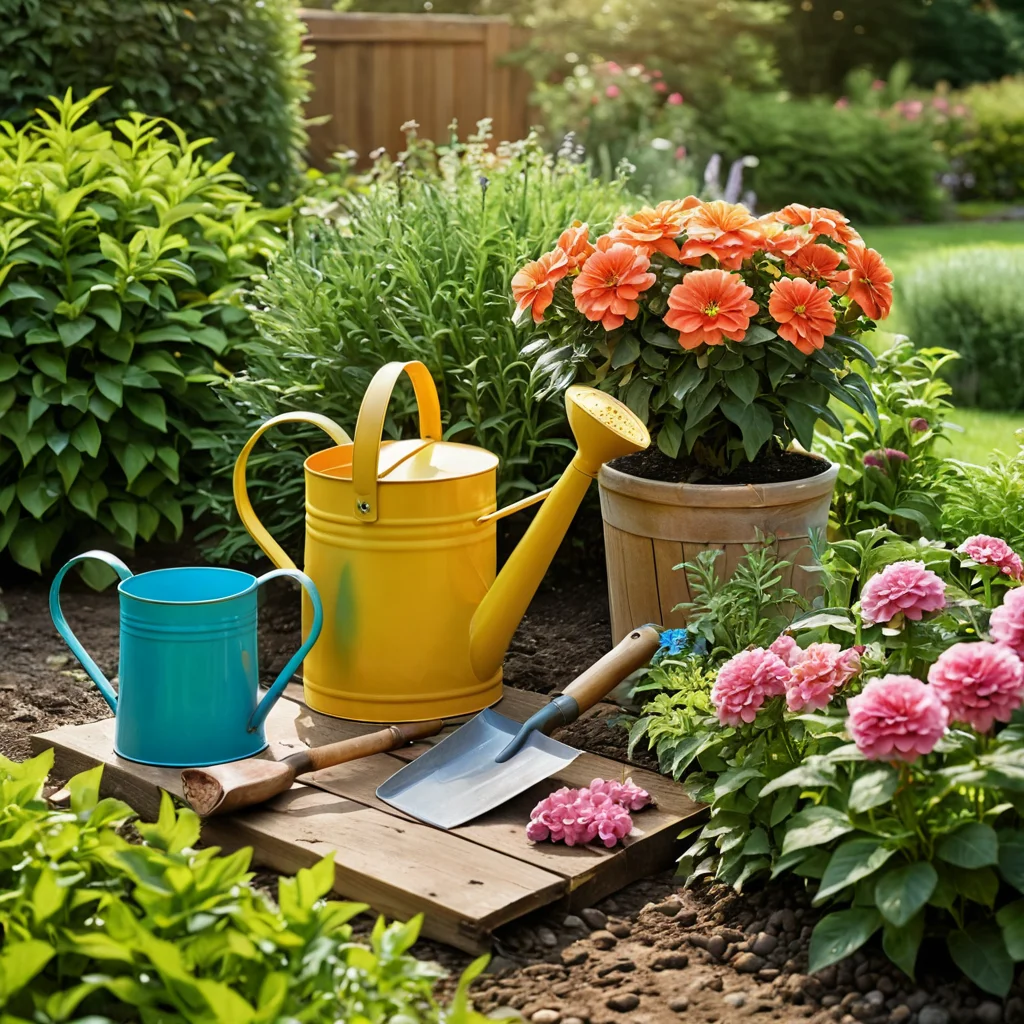
To ensure the work goes smoothly and enjoyably, it’s important to prepare all the necessary tools and materials in advance. This will help avoid unpleasant surprises and save you time.
Basic Tools:
- Shovel (spade and scoop): Indispensable for digging, excavating holes, and moving soil.
- Rake: For leveling soil, removing debris, and small stones.
- Trowel and Pruners: For planting seedlings, trimming roots, and removing dry branches.
- Watering Can or Hose with Sprayer: For watering.
- Wheelbarrow: For transporting soil, fertilizers, and mulch.
- Measuring Tape and Stakes with String: For marking the flowerbed.
- Gloves: For hand protection.
Materials:
- Plants: Your chosen ‘black’ and ‘white’ (or dark and light) plants. It’s best to buy them from reputable nurseries.
- Fertilizers: Organic (compost, humus) and mineral (complex).
- Drainage Material (if necessary): Expanded clay, broken bricks, gravel, crushed stone.
- Mulch: Decorative bark, wood chips, gravel, colored sand.
- Agrofiber or Geotextile (optional): To cover the soil under the mulch to prevent weed growth.
Tip: Before buying plants, be sure to check their requirements for light, moisture, and soil type. This will help you choose the optimal location for the flowerbed and make its care easier.
I always try to have a small set of tools on hand: sharp pruners, a reliable shovel, and good gardening gloves. With them, the work becomes much more pleasant.
Caring for a Chess Flowerbed: Watering, Fertilizing, and Seasonal Work
Creating a flowerbed is just the beginning. To keep it beautiful and well-maintained for years to come, it requires regular care. But don’t be intimidated, it’s not as complicated as it might seem.
Watering
The watering schedule depends on weather conditions, soil type, and the needs of specific plants. In general, ‘chess’ flowerbeds, especially with contrasting plants, prefer moderate moisture. Avoid both drying out and waterlogging.
- Frequency: Water more often in hot, dry weather, and less often in cool and rainy weather.
- Time of Watering: It’s best to water in the early morning or evening when the sun is not too active.
- Method of Watering: Try to water at the base of the plants, avoiding getting water on the leaves, especially in sunny weather, to prevent burns.
Fertilizing
To maintain vibrant foliage color and abundant flowering, plants need nutrients. Fertilization is carried out during the growing season.
- Spring: After the snow melts, apply a complex mineral fertilizer with a predominance of nitrogen to stimulate growth.
- Summer: During the budding and flowering period, use fertilizers with increased phosphorus and potassium content. Organic fertilizers (e.g., diluted cow dung or bird droppings) are also very beneficial.
- Autumn: Before winter, you can apply phosphorus-potassium fertilizers, which will help plants overwinter better.
Important: Always follow the instructions on the fertilizer packaging and do not exceed the recommended doses to avoid harming the plants.
Pruning and Shaping
Many plants used for ‘chess’ flowerbeds (e.g., barberry, ninebark, spirea) tolerate pruning well. Regular pruning helps to:
- Maintain the desired bush shape.
- Stimulate the growth of new shoots and brighter foliage color.
- Remove old, damaged, or dry branches.
When to prune:
- Spring Pruning: Sanitary (removal of dry and damaged branches) and formative.
- Summer Pruning: Pinching young shoots for better branching, removing faded inflorescences.
Seasonal Work:
- Spring: Clearing the flowerbed of winter debris, loosening the soil, spring fertilization, and pruning.
- Summer: Watering, fertilizing, weeding (if mulch isn’t sufficient), removing faded flowers.
- Autumn: Cleaning up fallen leaves (if not needed for insulation), autumn fertilization, preparing perennials for winter (mulching, covering heat-loving plants).
Regular, but not excessive, care is the key to ensuring your ‘chess’ flowerbed remains beautiful throughout the season.
Common Mistakes When Creating and Caring for a Chess Flowerbed: How to Avoid Them
Even with the most careful approach, mistakes can happen. Knowing common pitfalls will help you avoid them and make your ‘chess’ flowerbed perfect. Let me share my experience:
- Mistake #1: Incorrect Plant Selection.
- Consequences: Plants don’t match growing conditions (light, moisture), one species dominates another, contrast is lost.
- How to Avoid: Thoroughly research the requirements of each plant. Select plants with similar needs. Consider their future size – one plant should not ‘overpower’ another.
- Mistake #2: Overcrowded Planting.
- Consequences: Plants lack light, air, and nutrients; they get sick, lose their decorative appeal, and the flowerbed looks messy.
- How to Avoid: Always consider the size of the mature plant. Leave sufficient space between plantings. It’s better to plant less densely but give plants room to grow.
- Mistake #3: Ignoring Soil Preparation and Drainage.
- Consequences: Plants develop poorly, suffer from lack or excess of moisture, roots rot.
- How to Avoid: Never neglect this stage. Prepare the soil thoroughly, add fertilizers, and ensure good drainage if necessary for your site.
- Mistake #4: Incorrect Care (Insufficient or Excessive Watering/Fertilizing).
- Consequences: Drought-stressed plants wilt, moisture-loving plants suffer from overwatering, lack of nutrients leads to pale foliage and weak flowering, excess leads to ‘fattening’ and diseases.
- How to Avoid: Observe your plants, study their needs. Water and fertilize as needed, not on a schedule.
- Mistake #5: Lack of Seasonal Work.
- Consequences: Accumulation of debris, diseases, weeds; plants overwinter poorly.
- How to Avoid: Perform regular seasonal tasks: spring cleaning and pruning, summer removal of weeds and faded inflorescences, autumn preparation for winter.
- Mistake #6: Using Only One Type of Plant.
- Consequences: The flowerbed looks flat and uninteresting.
- How to Avoid: Combine plants with different heights, shapes, and leaf textures. Add plants with different flowering times so the flowerbed is decorative for as long as possible.
Creating a ‘chess’ flowerbed is a fascinating journey into the world of garden design. Don’t be afraid to try, experiment, and learn from your mistakes. Remember that your garden is your personal space for creativity, and the most important thing is that it brings you joy!