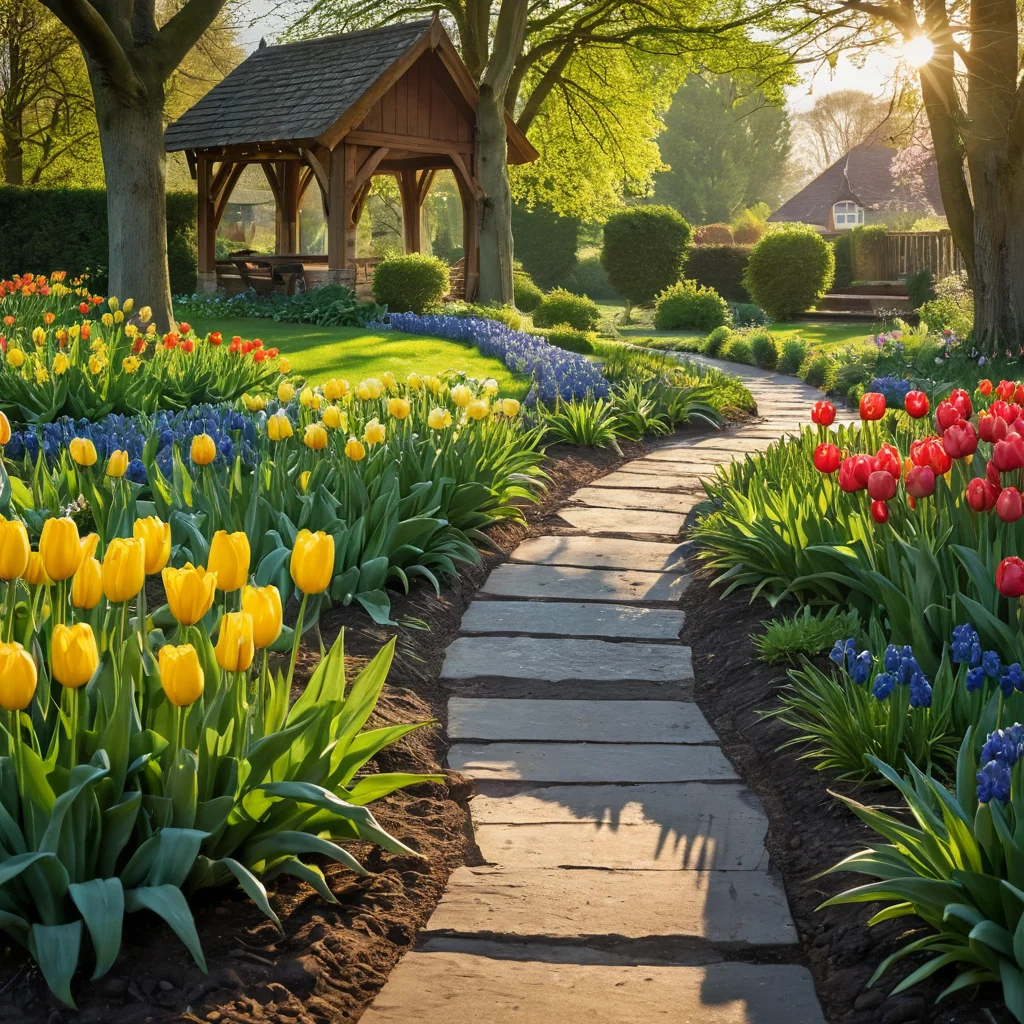
Imagine this: morning. The sun is just beginning to gild the treetops, dew has not yet dried on the blades of grass, and the air is filled with the delicate aroma of damp earth and the first awakening flowers. This is not just a morning, it’s the beginning of a new day in your garden, which today will sing its own, unique song of bloom. And if you want this melody to sound continuously, delighting the eye from early spring to late autumn, then a calendar flowerbed is exactly what you need. It’s not just a bed of flowers, it’s a living organism that marks the seasons with its unique attire. I have always admired how nature can create true masterpieces, and a calendar flowerbed is a human attempt to touch this magic, to make your corner of the earth a place where every day brings new joy.
Calendar Flowerbed: When Does Your Garden Bloom from Spring to Autumn?
What is a calendar flowerbed, you ask? At first glance, it might seem complicated or even unattainable. But in reality, it’s a brilliantly simple solution for those who want their garden to be picturesque all year round. Essentially, it’s a specially planned composition of plants, selected in such a way that they bloom sequentially, month after month, creating a continuous carpet of flowers from the spring equinox until the first frosts. It’s your personal garden clockmaker, which tells time not with hands, but with petals.
The idea behind this approach to design was born from the desire to maximize the decorative period of the plot. In our latitudes, where spring arrives late and everything wilts quickly in autumn, we often find that the garden delights us for only a few months. A calendar flowerbed solves this problem by offering a thoughtful alternation of blooming. It’s like an orchestra where each instrument enters its part exactly on time, creating a harmonious symphony.
Why is this so important for a gardener? Firstly, it’s aesthetic pleasure. Imagine: the first spring crocuses and daffodils have finished blooming, and tulips and hyacinths are already rushing to replace them. Then come peonies and irises, followed by roses and lilies. And so on, until the very last asters and chrysanthemums. It’s an opportunity to admire the blooms without waiting for the peak popularity of certain plants, but enjoying a constant change of colors.
Secondly, it’s practicality. By creating such a flowerbed, you invest your time and effort once, and then enjoy the results for years. Of course, care will be needed, but it will be more systematic and predictable. You will know what to do and when, and your garden will never look “naked” or boring.
A calendar flowerbed is not just a collection of plants. It’s a philosophy of gardening that prioritizes harmony, continuity, and cyclicality. It’s an opportunity to create a place of power, where every visit to the plot will be filled with new impressions and beauty.
Types of Calendar Flowerbeds: Choosing an Idea for Your Plot
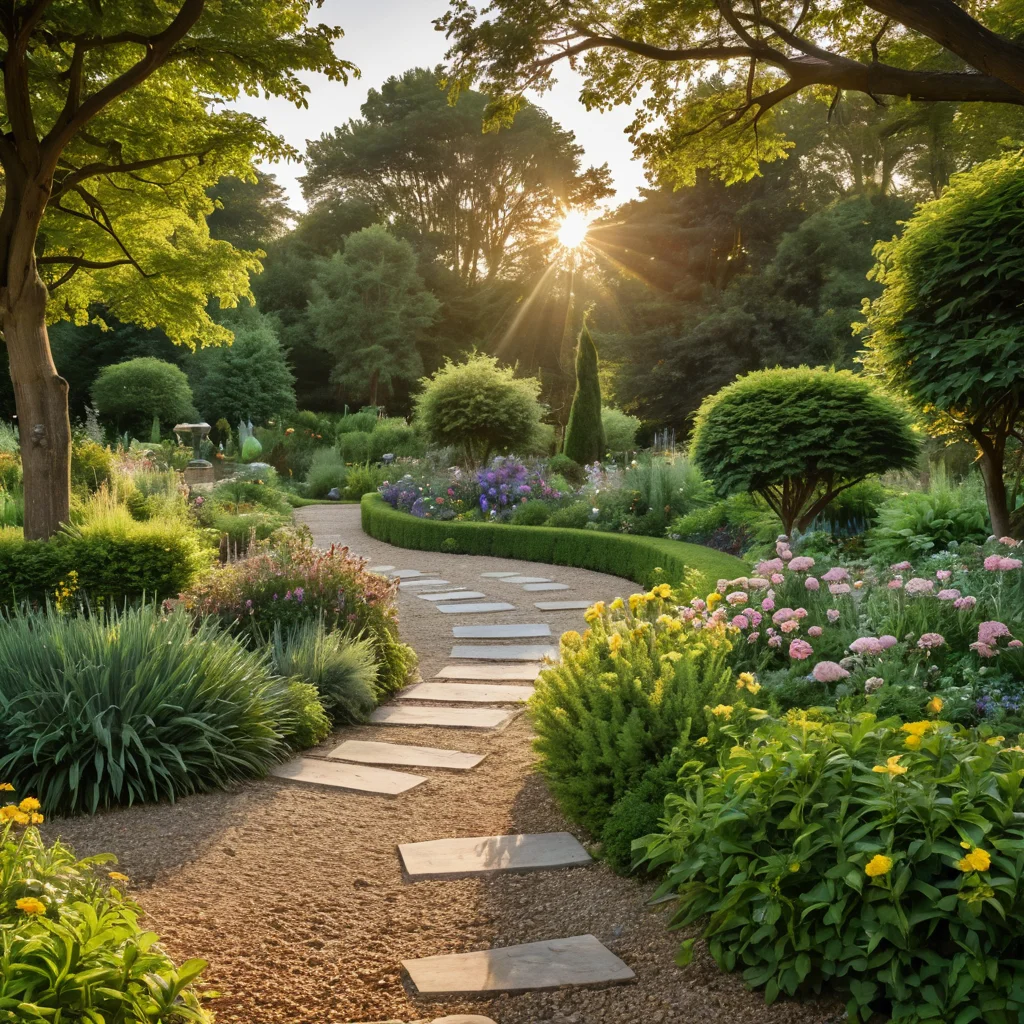
When we talk about a calendar flowerbed, it’s important to understand that it’s not a single universal template, but rather a concept that can be implemented in different ways. The choice of a specific idea depends on your preferences, plot size, climate conditions, and even your personal vision of beauty. Let’s look at a few popular options:
- Classic Linear Flowerbed: This is perhaps the simplest and most common option. Plants are planted in strips or rows, following the principle of sequential blooming. Such a flowerbed can be located along a fence, path, or house wall. Usually, plants are selected so that in each time period, they create a specific color palette. For example, in spring – delicate pastel tones, in summer – bright and vibrant, in autumn – deep and rich.
- Round or Oval Flowerbed: This option is ideal for the central part of a lawn or as an accent element in the garden. The principle is the same: sequential blooming, but here it’s more difficult to achieve uniform blooming around the entire perimeter in each period. Most often, the center of the flowerbed is occupied by plants that bloom in mid-summer, and spring and autumn flowers are planted towards the edges.
- Spiral Flowerbed: A very striking and original option. Plants are planted in a spiral, starting from the center or the edge. This requires special skill in selecting plants so that the transition from one color zone to another is smooth and harmonious. Such a flowerbed can become a real work of art on your plot.
- Thematic Calendar Flowerbed: Here you can go even further and tie the blooming to a specific theme. For example:
- ‘Month by Month’ Flowerbed: Each zone of the flowerbed corresponds to one month, and it contains plants whose peak bloom occurs at that specific time. This is the most literal interpretation of a calendar.
- ‘Color of the Year’ Flowerbed: Here, the emphasis is not on sequence, but on the predominance of a certain color at different times. For example, in spring – a predominance of white and blue, in summer – red and yellow, in autumn – orange and purple.
- ‘Fragrance of the Garden’ Flowerbed: Plants are selected that bloom at different times and also have a pleasant aroma. This creates not only visual but also olfactory pleasure.
- Budget Calendar Flowerbed: Don’t think that creating such beauty requires huge expenses. Ideas for budget landscape design can include using perennials that require minimal care, or even creating a flowerbed from plants that you can grow yourself from seeds.
When choosing an idea for your calendar flowerbed, I always advise listening to your heart. Look at your plot, imagine how it will look at different times of the year, and choose the option that evokes the warmest feelings in you. Don’t be afraid to experiment! The most important thing is to start.
Planning a Calendar Flowerbed: Choosing Plants by Blooming Period
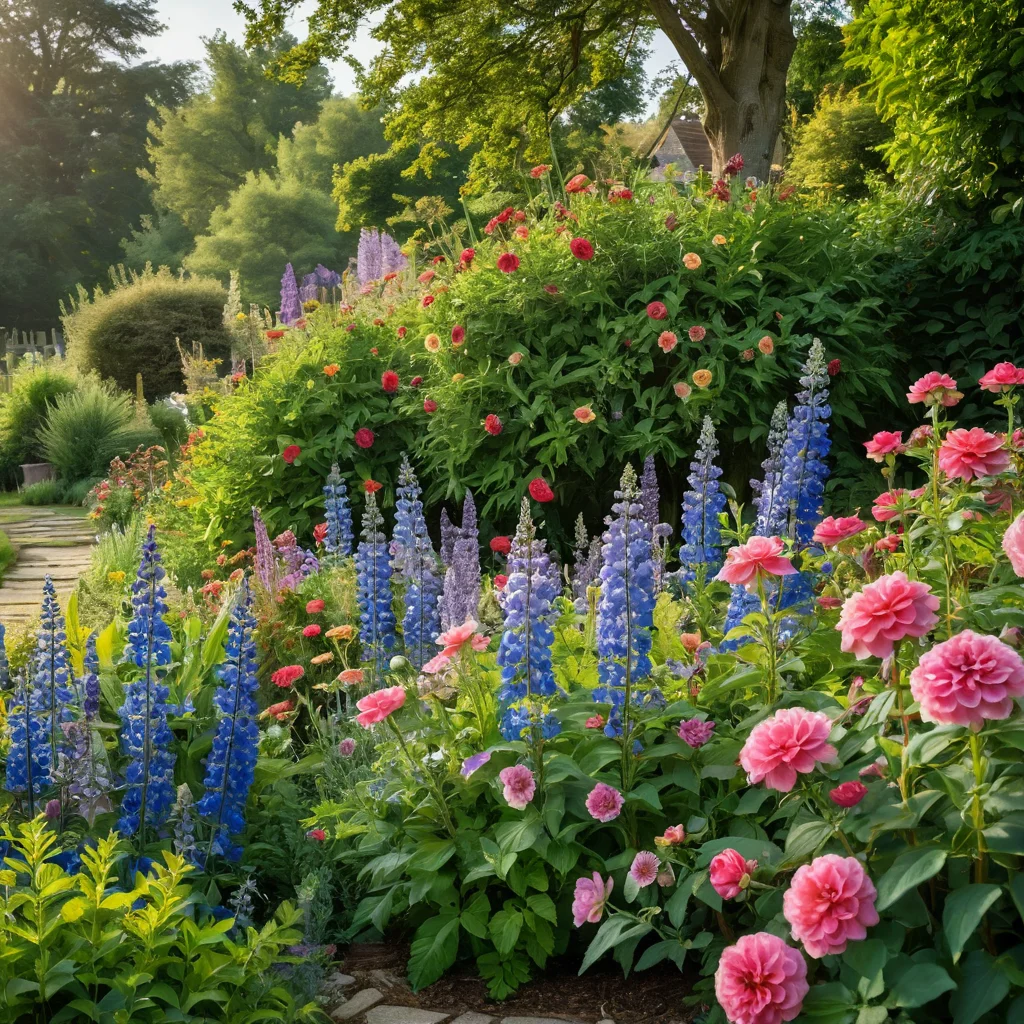
The heart of any calendar flowerbed is, of course, the plants. The right selection is the key to success. Our task is to create a continuous cascade of blooms that will delight us from the first warm days until the cold sets in. This requires careful planning and knowledge of each flower’s characteristics.
Spring Awakening (March-May):
- Early Bulbs: A spring flowerbed is unthinkable without them. Crocuses, snowdrops, galanthus – they appear as soon as the snow melts.
- Daffodils and Tulips: The variety of cultivars allows you to choose flowers of almost any color and shape, blooming from mid-spring to its end.
- Hyacinths and Muscari: Add bright accents and a pleasant aroma.
- Delphiniums (early varieties): Some varieties start blooming as early as late May.
- Primroses: Compact and bright, they look great in the foreground.
- Pansies (Viola): They tolerate cool weather well and decorate the flowerbed from early spring.
Summer Riot of Colors (June-August):
- Peonies: Lush and majestic, they are the kings of June.
- Irises: A variety of shapes and shades, they bloom in early summer.
- Roses: A classic that never goes out of style. Choose varieties that rebloom or bloom continuously.
- Daylilies: Unpretentious and bloom abundantly all summer.
- Echinacea: Bright and medicinal, they attract butterflies.
- Delphiniums (late varieties): Continue blooming in summer, creating vertical accents.
- Lavender: Fragrant and beautiful, it blooms from mid-summer.
- Yarrow: Creates light, airy inflorescences.
- Godetia, Calendula, Cosmos: Beautiful annuals that are easy to grow from seed and will bloom until autumn.
Autumn Attire (September-November):
- Asters: The queens of autumn, the variety of cultivars is astounding.
- Chrysanthemums: From delicate to bright, they adorn the garden until the very frosts.
- Helenium: Bright, sunny flowers.
- Echinacea (late varieties): Continues to please the eye.
- Robinia: Some varieties rebloom.
- Sedums (Stonecrops): Decorative not only in summer but also in autumn; their fleshy leaves and dense inflorescences look great.
- Ornamental Grasses: Add texture and movement to the garden, remaining beautiful until spring.
Important points when selecting plants:
- Consider height: Tall plants are best planted at the back, low ones at the front.
- Combine textures: Diverse leaf and inflorescence shapes make the flowerbed more interesting.
- Think about color: Choose harmonious color combinations.
- Don’t forget about longevity: Choose plants that tolerate your climatic conditions well.
- Perennials and Annuals: Combine them to achieve maximum attractiveness. Annuals help fill in “gaps” in perennial blooming.
Believe my experience, compiling such a list is a fascinating process. I love taking a notebook, a pencil, and sitting for hours, coming up with perfect combinations. Don’t be afraid to use information from catalogs, gardening magazines, and, of course, from the experience of other gardeners.
Choosing the Right Location and Soil for a Calendar Flowerbed
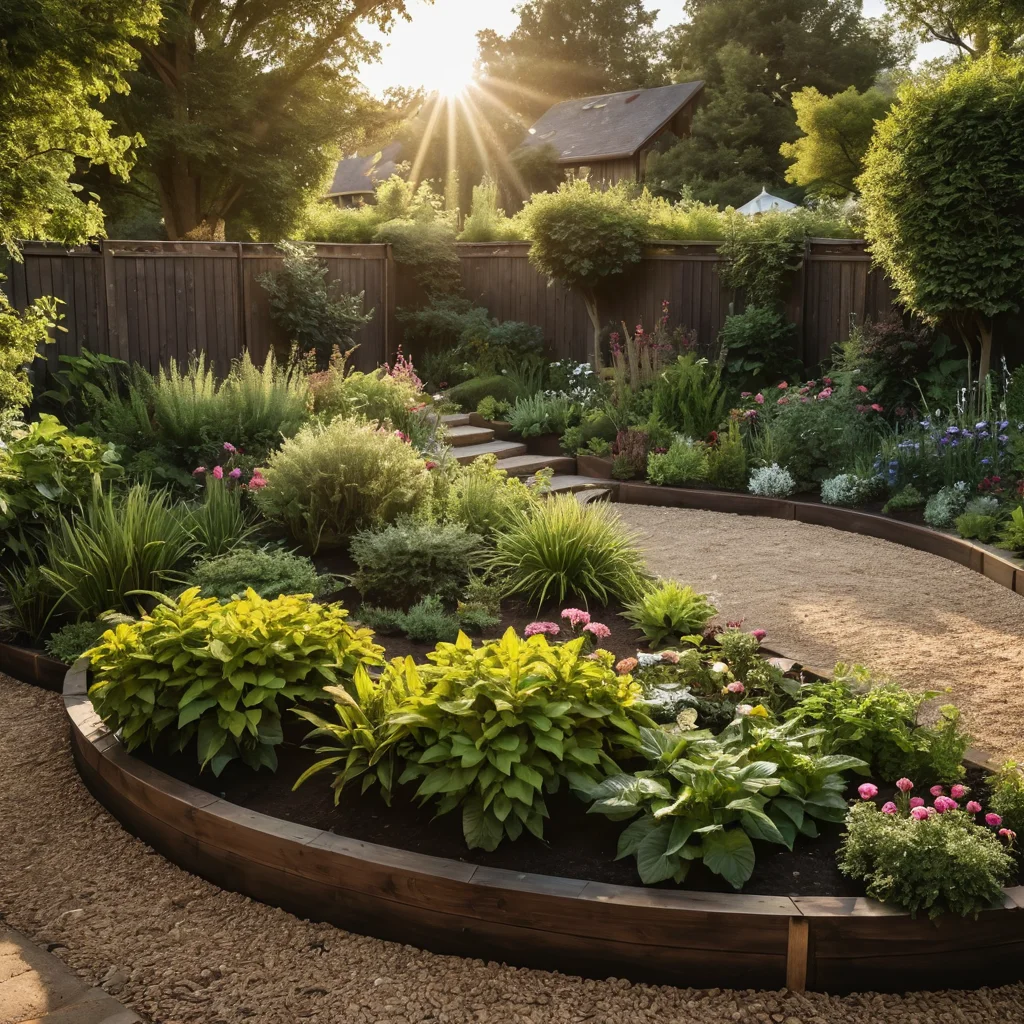
Creating a beautiful and functional calendar flowerbed is half the battle. It’s no less important to choose the right location for it and prepare the soil. The health of the plants and the splendor of their blooming directly depend on this.
Choosing a Location:
- Sunlight: Most flowering plants love the sun. Therefore, if you want abundant blooming, choose well-lit areas. However, there are also shade-tolerant plants that can be part of your flowerbed if it is located in partial shade. Study the needs of your future pets.
- Protection from Wind: Strong gusts of wind can damage delicate stems and flowers. Therefore, if possible, place the flowerbed where it will be protected from drafts – for example, near a house, fence, or group of trees.
- Drainage: It is very important that water does not stagnate at the roots. If your plot is prone to waterlogging, you may need to create a raised flowerbed or ensure good drainage.
- Visual Accessibility: Think about where you will admire your flowerbed from. It’s best to place it where it’s visible from the house window, terrace, or main garden path.
- Harmony with Garden Style: Try to make your flowerbed fit harmoniously into the overall style of your plot. If you have a strict formal garden, then the flowerbed should be of a corresponding shape. If you prefer a landscape style, then the flowerbed can be more free and natural.
Soil Preparation:
Good soil is the key to the health of your plants. Most flowering plants prefer fertile, loose, and well-drained soil. Here’s what I usually do:
- Site Clearing: Before starting preparation, thoroughly clear the future flowerbed area of weeds, stones, and other debris.
- Digging: Dig the soil to the depth of a spade’s bayonet. This will help loosen the earth and improve its structure.
- Fertilizing: Even if the soil seems fertile to you, adding organic fertilizers never hurts. Compost, well-rotted manure, peat – all of this will improve soil structure and enrich it with nutrients. I usually add 1-2 buckets of compost per square meter.
- Drainage: If the soil is clayey or prone to waterlogging, be sure to add a drainage layer. This can be a layer of gravel, expanded clay, or coarse sand 5-10 cm thick.
- Acidity: Most flowering plants prefer neutral or slightly acidic soil. If the soil on your plot is too acidic, you can add dolomite flour or lime. If, on the contrary, it’s alkaline – add peat or coniferous litter.
- Leveling: After adding fertilizers and drainage, carefully level the surface of the flowerbed with a rake.
Remember that caring for the soil is an investment in the future beauty of your garden. The better you prepare the foundation, the more lush and longer your plants will bloom.
Step-by-Step Guide: How to Create a Calendar Flowerbed Yourself
So, we’ve come to the most interesting part – creating a calendar flowerbed with your own hands. This process may seem labor-intensive, but believe me, it’s very engaging, and the result is worth it. I always divide this process into several main stages so as not to miss anything.
Stage 1: Planning and Sketching
- Determine Shape and Size: Draw a plot plan and mark the location of the future flowerbed. Determine its shape (round, oval, linear) and approximate dimensions.
- Create a Plant List: Using information about blooming periods, select plants that will bloom sequentially. Create a table that includes: plant name, height, blooming period, color palette, light and soil requirements.
- Draw a Sketch: On the flowerbed diagram, arrange the plants, considering their height, shape, and color palette. Try to create smooth transitions and harmonious combinations. Mark the blooming zones for each month or period.
- Consider the Background: If the flowerbed is located near a wall or fence, you can use climbing plants or tall flowers to create a background.
Stage 2: Site Preparation
- Clearing: Thoroughly clear the selected area of weeds, stones, and debris.
- Digging and Soil Improvement: Dig the soil, add organic fertilizers (compost, humus), sand (if the soil is clayey), and mineral fertilizers suitable for flowering plants.
- Drainage: If necessary, create a drainage layer (gravel, expanded clay).
- Leveling: Level the flowerbed surface with a rake.
Stage 3: Planting Plants
- Plant according to the plan: Use your sketch as a guide. Start planting plants, following the planting depth indicated on the label.
- Observe spacing: Do not plant plants too densely. Remember that they need space to grow. It’s better to underplant than overplant.
- Start from the background: If your flowerbed has a background, begin planting with the tallest plants.
- Group plantings: Plants with the same blooming periods and requirements are best planted in groups to look more impressive.
- Watering after planting: Be sure to water all planted plants thoroughly.
Stage 4: Decoration and Finishing Touches
- Mulching: After planting, mulch the soil around the plants. This will help retain moisture, prevent weed growth, and give the flowerbed a well-groomed appearance. You can use bark, wood chips, decorative gravel, or compost as mulch.
- Decorative Elements: Add decorative stones, garden figures, lights, or other elements that will emphasize the style of your flowerbed.
- Labeling (optional): If you want to more clearly mark the “calendar” of blooming, you can install small signs with the names of months or plants.
Creating a calendar flowerbed is a creative process. Don’t be afraid to make adjustments as you go. The main thing is to enjoy the process and the result that will delight you for many years to come.
Decorating a Calendar Flowerbed: Decorative Elements and Combinations
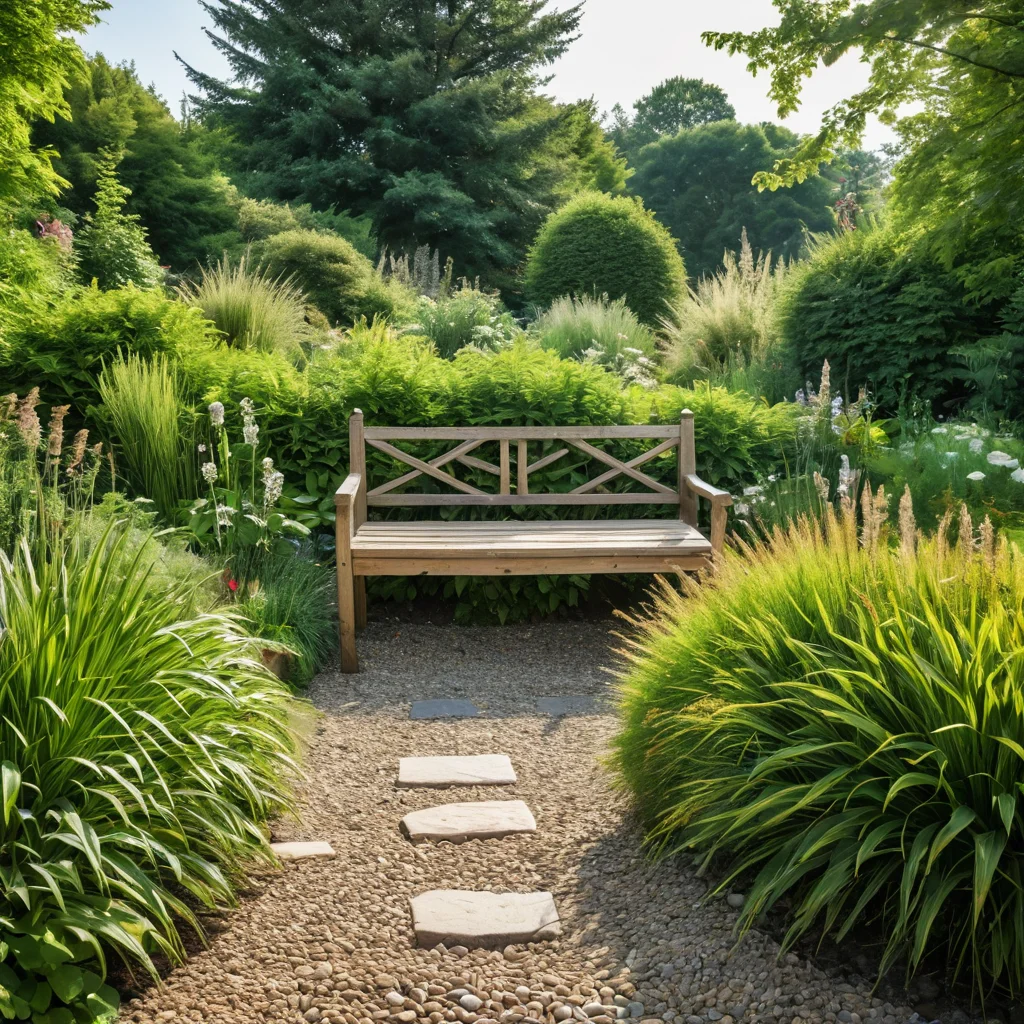
A calendar flowerbed is not only a harmonious combination of plants but also an opportunity to add uniqueness to it with the help of various decorative elements. These details will help emphasize the beauty of the flowers, create a certain mood, and make your flowerbed a true highlight of the garden.
Decorative elements that can adorn your flowerbed:
- Stones and Boulders: Large stones or compositions of several boulders can become a natural framing for the flowerbed, giving it stability and solidity. They combine perfectly with most plants, especially those that prefer dry and sunny locations.
- Garden Sculptures and Figures: From cute gnomes to elegant statues – the choice is enormous. The main thing is that the figure harmoniously fits into the overall style of the garden and does not draw all the attention to itself.
- Decorative Fencing: Low borders made of stone, brick, wood, or metal will help outline the contours of the flowerbed, give it a neat appearance, and protect it from being trampled.
- Landscape Lighting: Solar lanterns, string lights, or built-in lights will not only decorate the flowerbed in the evening but also create a mysterious, magical atmosphere.
- Water Features: A small fountain, a decorative stream, or even a simple ceramic pot with water can add freshness and coolness.
- Artificial Elements: For example, an old watering can, wheelbarrow, or windmill decorated with flowers can give the flowerbed a vintage charm.
Principles of Combining Decorative Elements and Plants:
- Style Consistency: Modern minimalist flowerbeds look good with geometric shapes of stones and metal. For a rustic garden, wooden elements, old items, and natural materials are suitable.
- Color Harmony: Decorative elements should not clash with the color of the plants. It’s better to choose neutral shades or those that harmonize with the main color scheme of the flowerbed.
- Size and Proportions: Too large elements can “overwhelm” delicate flowers, while too small ones can get lost against lush plants.
- Functionality: Some elements can be not only decorative but also functional. For example, a garden path leading to the flowerbed, or a bench for rest nearby.
- Seasonality: Consider how decorative elements will look at different times of the year. For example, wooden figures may require additional treatment in autumn, and metal ones may be subject to rust.
I love experimenting with different combinations. Sometimes, adding a few beautiful stones or an unusual garden figurine is enough to transform a flowerbed beyond recognition. Believe me, even the simplest element, chosen with taste, can give your garden individuality and coziness.
Caring for a Calendar Flowerbed: Watering, Feeding, and Pruning
Creating a calendar flowerbed is just the beginning. For it to delight you with its continuous blooming year after year, it needs regular and proper care. It’s not as difficult as it might seem; the main thing is consistency.
Watering:
- Regularity: Water plants as the soil dries out. In hot, dry weather, watering may be needed daily, and on cool days – once every few days.
- Time of Watering: The best time for watering is early morning or late evening, when the sun is not so active. This will help avoid burns on the leaves and minimize moisture evaporation.
- Method of Watering: Try to water at the root, avoiding getting water on the leaves and flowers. This will help prevent the development of fungal diseases.
- Considering Plant Needs: Different plants have different moisture requirements. Some like abundant watering, others prefer moderate. Study the characteristics of each species.
Feeding:
- Spring: At the beginning of the growing season, plants need nitrogen fertilizers for active green mass growth.
- Blooming Period: During budding and blooming, use complex mineral fertilizers with increased phosphorus and potassium content. This promotes abundant blooming and vibrant colors.
- Summer-Autumn: In late summer and autumn, feeding should be aimed at strengthening the root system and preparing plants for winter. Use potassium-phosphorus fertilizers.
- Organic Fertilizers: Compost or humus, applied in spring or autumn, serve as an excellent source of nutrients and improve soil structure.
- Application Rate: Always follow the instructions on the fertilizer packaging. An excess of nutrients can harm plants as much as their deficiency.
Pruning and Shaping:
- Removing Faded Flowers: Regularly remove faded inflorescences. This not only maintains the decorative appearance of the flowerbed but also stimulates reblooming in some plants.
- Sanitary Pruning: Remove dry, damaged, or diseased branches and leaves throughout the season.
- Autumn Pruning: In autumn, after the end of blooming, perform the main pruning. The degree of pruning depends on the type of plant. Some are pruned almost to the root, others require only light shaping.
- Winter Preparation: Cover heat-loving perennials with spruce branches, dry leaves, or special covering materials.
Other Important Activities:
- Weed Control: Regularly weed the flowerbed, preventing weeds from taking moisture and nutrients from cultivated plants. Mulching significantly simplifies this task.
- Pest and Disease Prevention: Inspect plants for signs of diseases or pest infestations. If necessary, use appropriate treatments.
- Transplanting and Division: Some perennials grow over time and may need transplanting and division. This is usually done in spring or autumn.
Caring for a flowerbed is a constant dialogue with nature. If you are attentive to your plants, they will reward you with lush and long blooming.
Common Mistakes When Creating a Calendar Flowerbed and How to Avoid Them
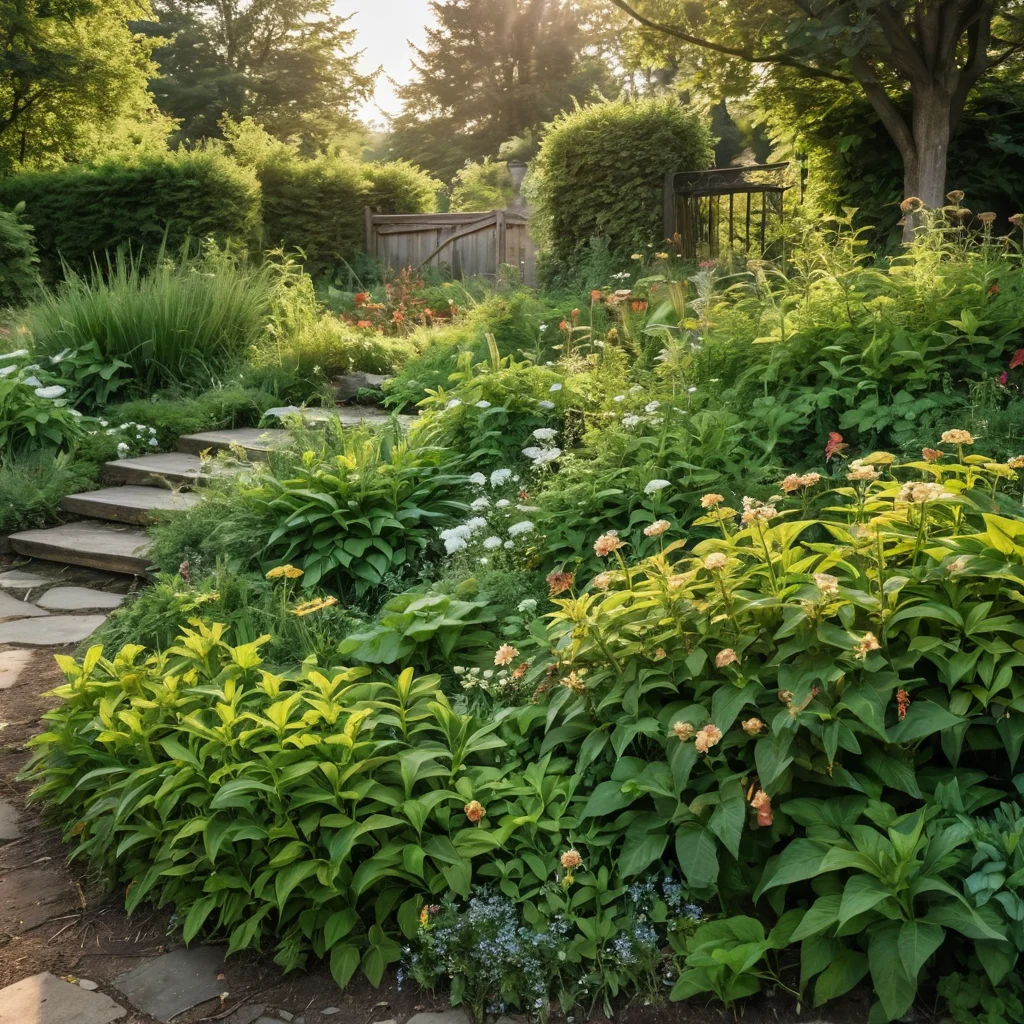
Even with the most careful planning, mistakes can occur during the creation and care of a calendar flowerbed. I have compiled the most common ones for you so that you can avoid them and enjoy the impeccable beauty of your garden.
- Incorrect Plant Selection:
- Mistake: Choosing plants based solely on their external attractiveness, without considering their light requirements, soil type, or winter hardiness.
- How to Avoid: Thoroughly study the characteristics of each plant. Create a list based on the conditions of your plot and climate. Remember that the most beautiful flowers may not take root if they are uncomfortable.
- Overcrowding or Underplanting:
- Mistake: Planting too densely, leaving plants with insufficient space to grow, or, conversely, too sparsely, making the flowerbed look “empty” during certain periods.
- How to Avoid: Consider the size of mature plants when planning the planting. Leave enough space between them. Use annuals to fill in “gaps” in perennial blooming.
- Ignoring Blooming Periods:
- Mistake: Creating a plan without considering the sequence of blooming, which leads to the flowerbed looking unappealing during certain periods.
- How to Avoid: Create a detailed blooming schedule, noting which plants should bloom in which month. Use a blooming calendar, as we discussed earlier.
- Improper Soil Preparation:
- Mistake: Planting plants in unprepared, heavy, or poor soil, leading to poor growth and diseases.
- How to Avoid: Always pay due attention to soil preparation: digging, adding organic matter, drainage. This is the foundation of your plants’ health.
- Incorrect Watering:
- Mistake: Overwatering, leading to root rot, or insufficient watering in hot weather.
- How to Avoid: Water regularly, but avoid waterlogging. Focus on the soil condition and plant needs.
- Neglecting Care:
- Mistake: Lack of regular pruning, weeding, and feeding.
- How to Avoid: Plan flowerbed care as part of your gardening schedule. Regular simple actions are much more effective than infrequent, large-scale ones.
- Excessive Decorative Elements:
- Mistake: Using too many decorative elements that “overshadow” the beauty of the plants and create a sense of chaos.
- How to Avoid: Remember that the main stars of your flowerbed are the flowers. Decorative elements should complement them, not compete with them. Use them moderately and with taste.
- Ignoring Seasonal Changes:
- Mistake: Expecting the flowerbed to look equally attractive year-round, forgetting that many plants lose their decorative appeal in autumn and winter.
- How to Avoid: Plan the flowerbed considering not only blooming but also the decorative qualities of foliage, stems, and fruits. Use perennial grasses and ornamental shrubs that decorate the garden during the cold season.
The most important thing is not to be afraid of making mistakes. After all, it’s on them that we learn. Analyze, observe your plants, and over time you will learn to create true masterpieces. Your garden is your personal story, written in flowers and greenery.