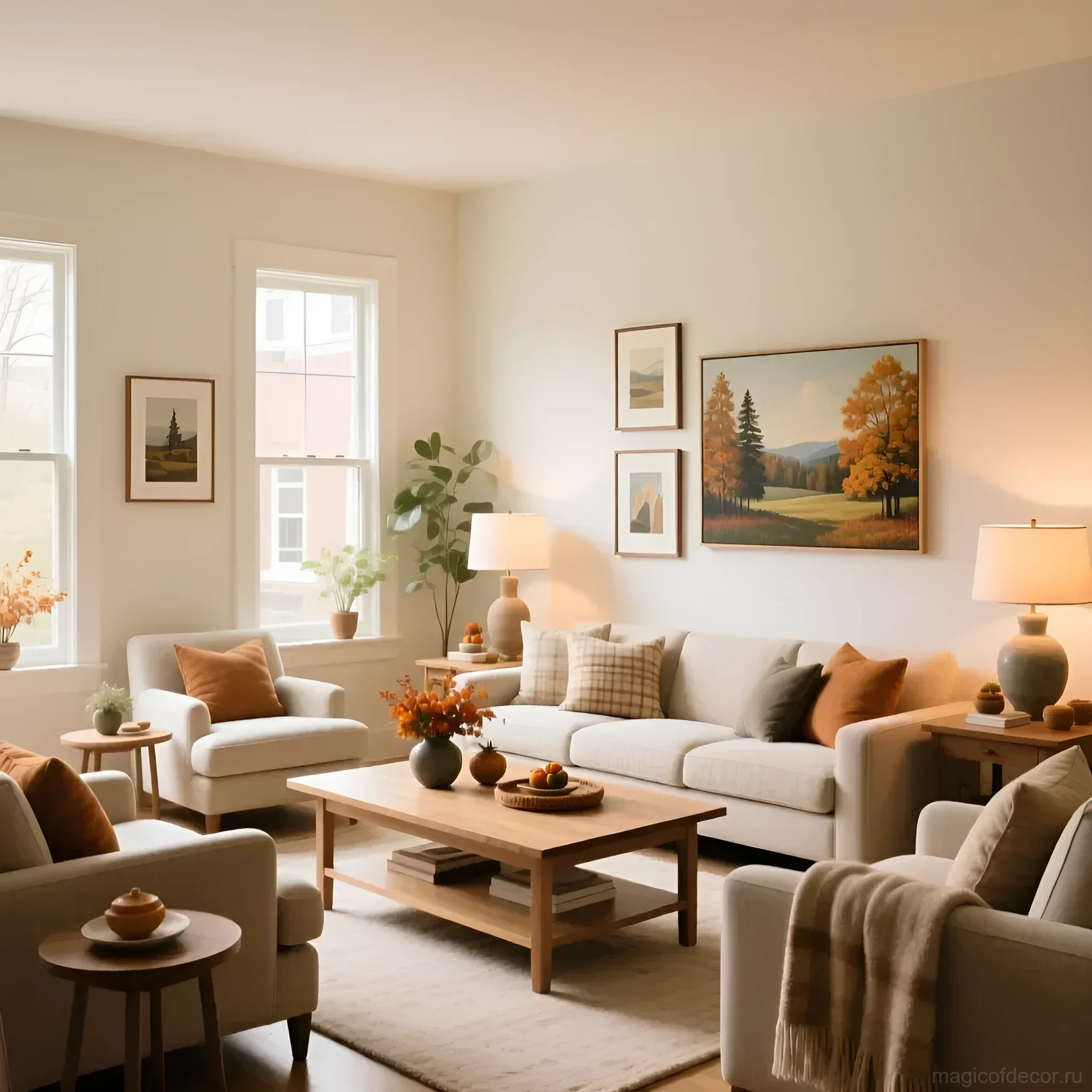
Dear friends, greetings! I know how much you love your homes and how important it is for you that your space reflects your mood and rhythm of life. But you know what’s most magical about decor? Its ability to change with us and nature. We often think that transforming a home is expensive, time-consuming, and troublesome. In reality, to breathe new life into familiar walls, it’s enough to simply change the “clothes” for your interior. We will not be talking about renovations, but about that very art of small, yet significant details that allow your home to bloom, shine, warm, and soothe, following the change of seasons. This is the concept of “One Decor – Four Seasons”.
One Decor – Four Seasons: How to Create a Cozy Home Year-Round ✨
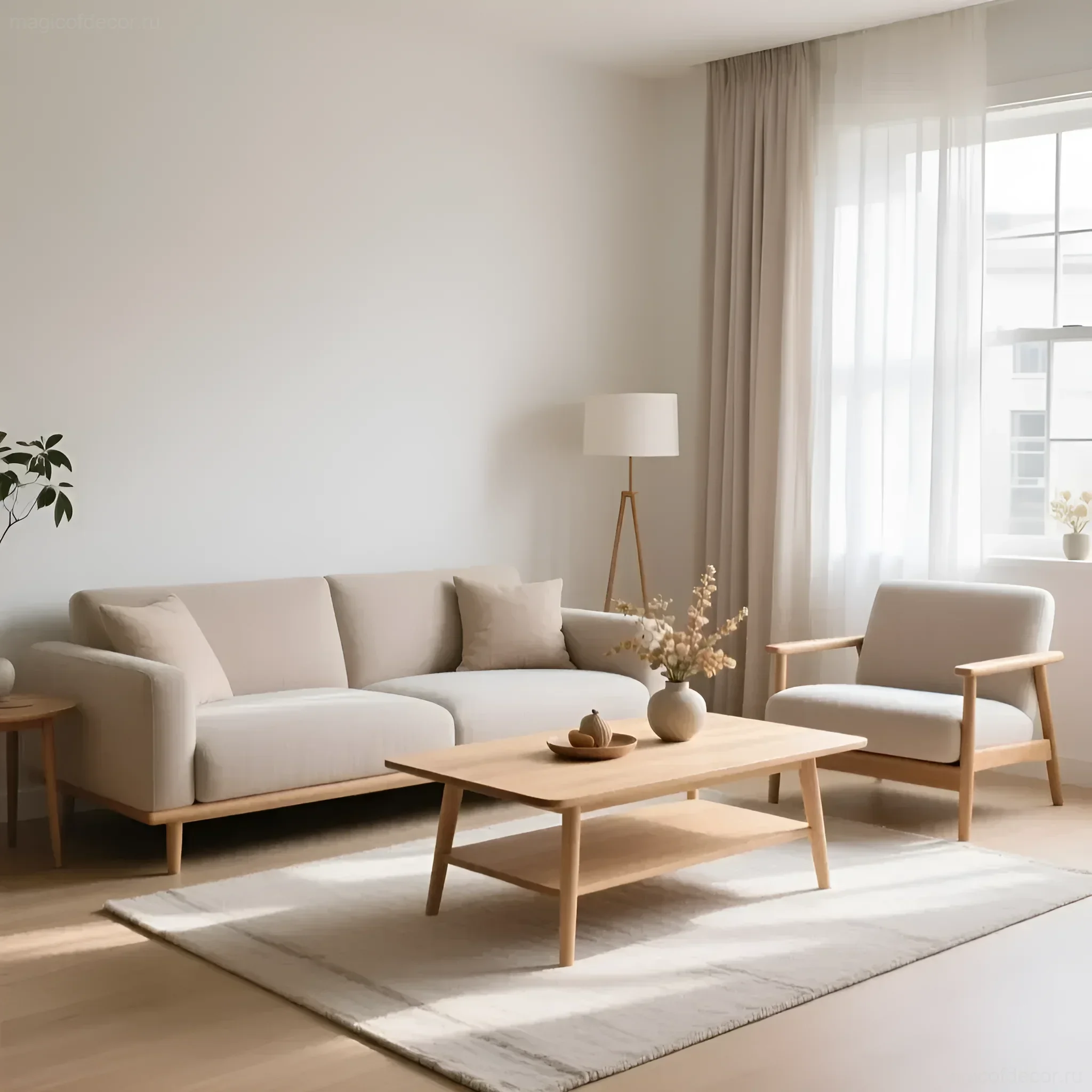
The secret to a harmonious home that always looks fresh and relevant lies in creating a solid yet flexible foundation. Seasonal decor is not just about swapping Christmas ornaments for Easter eggs. It’s a deep understanding of how light, color, and texture affect our well-being in different months of the year.
When it’s gloomy outside, we instinctively crave velvet and warm light. When nature awakens, we reach for lightness and transparency. Our task is to learn to reflect these natural cycles within the home, using a minimum of budget and a maximum of imagination.
The essence of seasonal transformation:
- Base + Accents: Large, expensive items remain unchanged (base), while inexpensive accessories and textiles (accents) change.
- Light: Changing the type of lighting (from warm amber to bright daylight).
- Aroma: Using seasonal scents (pine, citrus, freshly cut grass, cinnamon).
- DIY and Budget: Maximizing the use of what can be made with your own hands or bought for a symbolic price (branches, cones, seasonal flowers, fabrics).
Base Decor: Choosing a Foundation for Seasonal Changes 🌸
Before we start talking about spring rays and autumn palettes, let’s take care of the “canvas.” Your base decor should be neutral, calm, and as versatile as possible. This will allow you to easily introduce any seasonal colors without creating visual chaos.
Ideal color palette for the base:
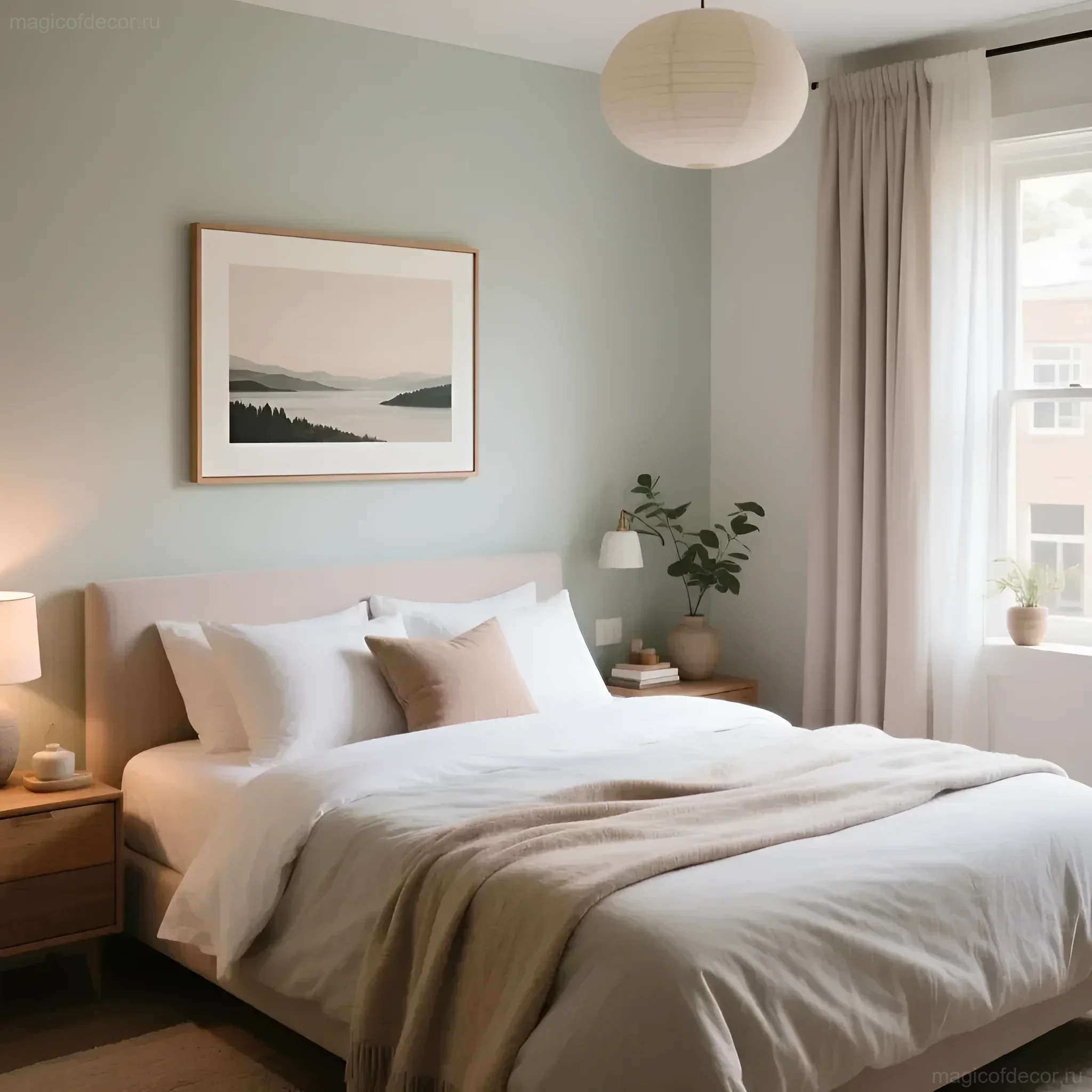
- Walls and large furniture: White, light gray, beige, ivory, natural wood. These tones serve as an ideal background.
- Main textiles (sofa, rug): Neutral, durable colors – taupe, graphite, sand.
What constitutes the “base” that we don’t change:
- Large furniture items (sofas, cabinets).
- Wall and floor finishes.
- Main lighting fixtures (ceiling chandeliers).
- Large works of art (that do not have a pronounced seasonal theme).
What we will change each season (transformation tools):
- Textiles: Pillow covers, throws, tablecloths, napkins, towels.
- Accessories: Vases, decorative trays, candles, photo frames.
- Lighting: Table lamps, string lights, lampshades.
- Natural materials: Compositions of branches, flowers, cones, stones.
Decorator’s tip: If you have a bright sofa, no problem! Let it be your year-round accent, and introduce seasonal colors through small details that harmonize with this bright spot. For example, to a blue sofa in spring, add yellow and white pillows, and in autumn – terracotta and mustard.
Spring: Awakening of the Senses in the Interior 🌷
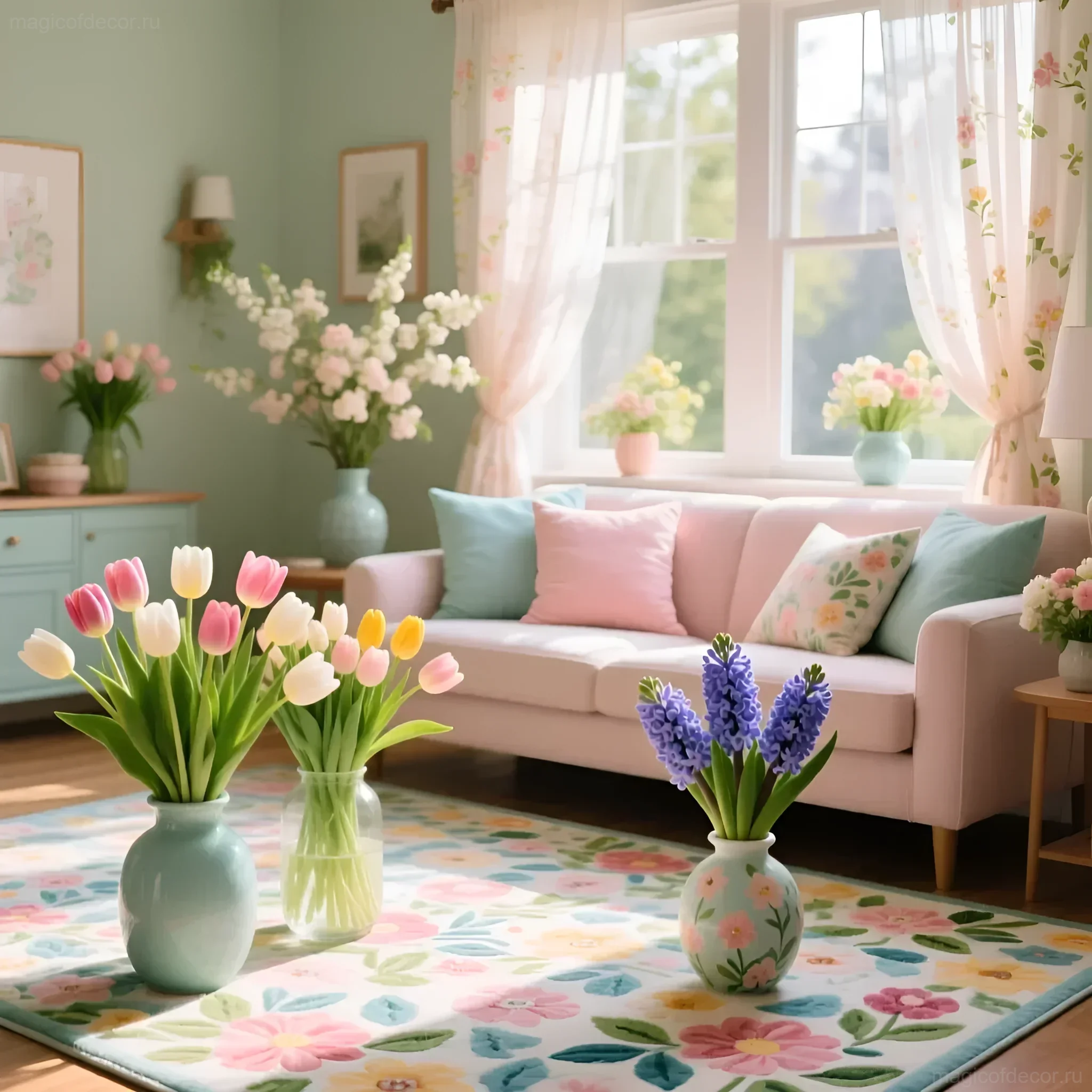
Spring is a time of renewal, lightness, and fresh air. Our home should reflect this energy. We remove heavy winter textiles and let in as much light as possible.
Spring color palette: Pastel tones, fresh greenery, light yellow, lavender, pale blue, and of course, pure white. Focus on the colors of the first leaves and spring flowers.
Textile Transformations
Replace heavy curtains with light, translucent tulles or linen curtains. The more natural light, the better. Cotton and linen pillows return to the sofas. We remove heavy wool throws, replacing them with thin waffle or knitted cotton ones.
DIY Ideas for a Spring Mood
Spring is the perfect time for nature-inspired creativity:
- Branch Decor: Gather thin branches, place them in a tall vase. Add small decorative eggs, paper birds, or simply let them bloom. This brings a garden feel.
- Greenery Wreath: Make a simple wreath from artificial eucalyptus or boxwood. It doesn’t have to be Easter-themed; freshness is key. Hang it on the door or above the fireplace.
- Pot Refresh: Repot houseplants. Old pots can be easily updated by wrapping them with twine, painting them in pastel colors, or covering them with moss.
Light and Aroma
Remove candles with heavy winter scents (vanilla, spices). In spring, fresh scents are relevant: mint, citrus, green tea, lily of the valley. Add small table lamps with white or light-colored shades to make the light as diffused and “daylight” as possible.
Summer: Bright Colors and Lightness in the Home ☀️
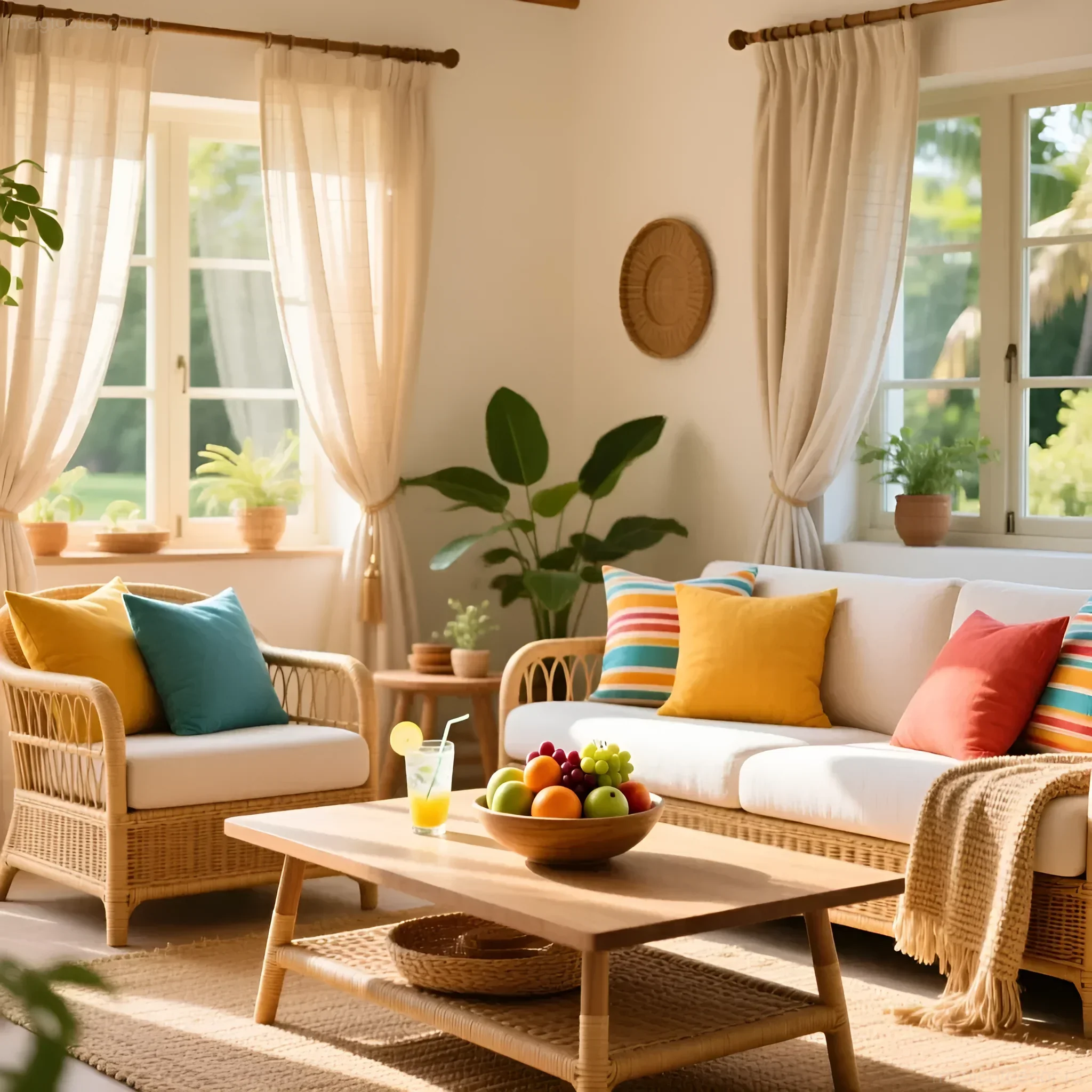
In summer, the home becomes our refuge from the heat, a place where lightness, marine motifs, and juicy, cheerful colors reign. Our goal is to create a feeling of coolness and vacation.
Summer color palette: Turquoise, coral, rich blue (indigo), grassy green, sand. Use clean, bright colors that evoke the sea and sun.
Textures and Materials
Linen, cotton, calico. Introduce natural, rough textures: rattan, jute, bamboo. Replace the living room rug with a light woven mat or remove it altogether for the summer to create a sense of coolness.
Budget-Friendly Summer Ideas
Summer is a time when we can use the gifts of nature and vacations to decorate our homes:
- Seaside Finds: If you’ve been to the sea, use shells, pebbles, and driftwood. Arrange them on a tray or fill transparent vases with them. This instantly brings a marine theme.
- Glass Coolness: Collect a collection of blue and green glass (these can be old bottles or inexpensive vases). Place them on the windowsill so that sunlight refracts and creates beautiful shadows.
- Temporary Gallery: Print bright summer photos on a regular printer (seascapes, fruits, vacation moments) and put them in frames, replacing winter images.
- Summer Table: Use bright napkins and tablecloths with fruit or floral prints. This is the easiest and most budget-friendly decor change.
Lighting and Air
In summer, we maximize natural light. In the evening, fixtures made of natural materials (bamboo or rattan lampshades) that provide soft, diffused light are preferred. Scents: watermelon, cucumber, sea breeze, fresh grass.
Practical life hack: To combat the heat and create visual coolness, place a large glass bowl with water, lemon, and mint in the living room. It’s both a decorative element and a natural air humidifier.
Autumn: Warmth and Coziness in Golden Tones 🍁

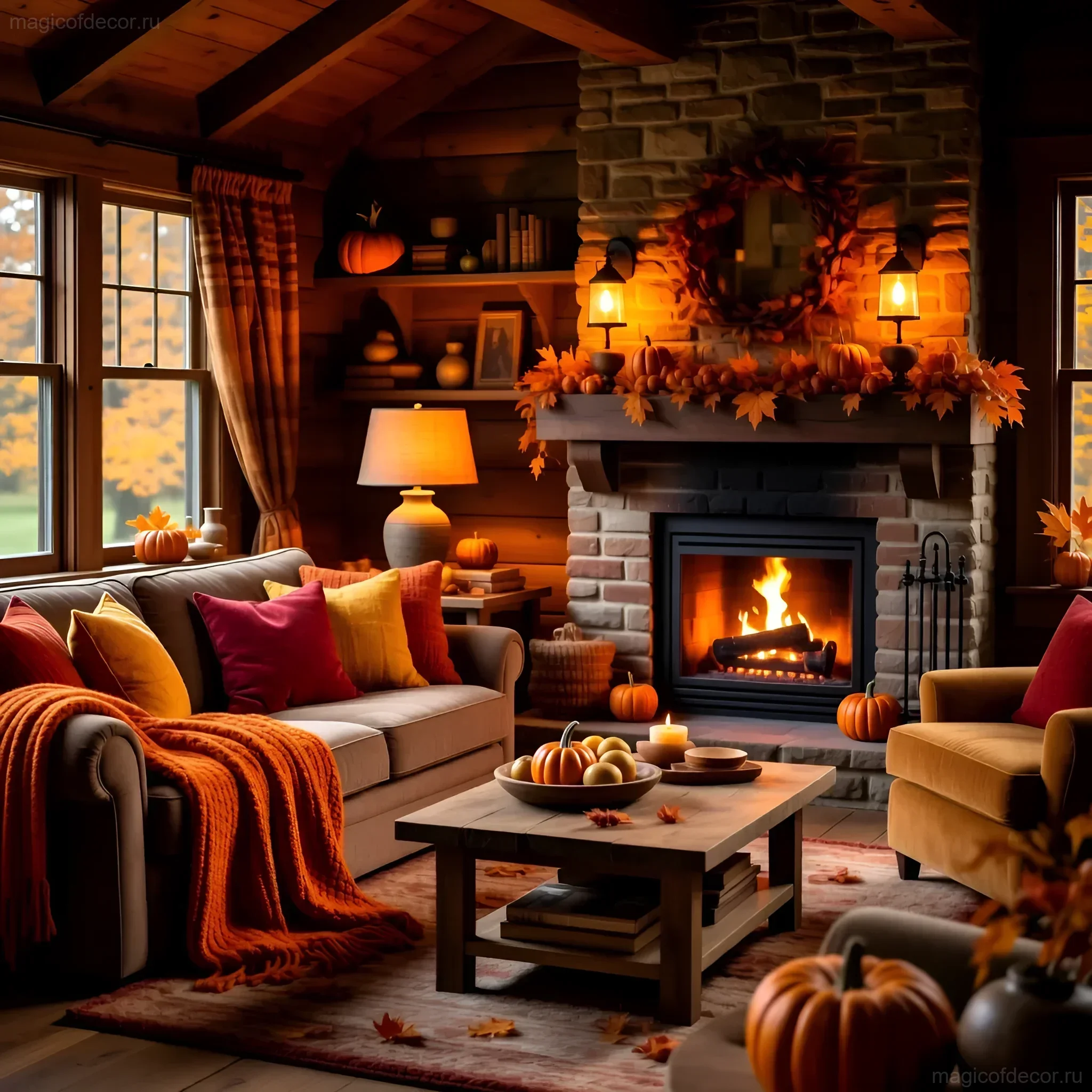
Autumn is a time for slowing down, reflection, and, of course, maximum coziness. Our home should become a fortress that protects from autumn dampness and cold. We bring tactility, depth of color, and layering back into the interior.
Autumn color palette: Rich, deep colors – terracotta, ochre, mustard, burgundy (marsala), dark green, bronze, and copper. These are the colors of ripe fruits and fading leaves.
Textile Warming
This is the most important step. Bring back dense, heavy fabrics. Autumn is a time for experimenting with textures:
- Throws: Get out wool, cashmere, or fleece throws. Drape them casually on sofas and armchairs. The more, the better.
- Pillows: Replace summer linen with velvet, corduroy, or chunky knits. Choose covers in deep, “warming” colors.
- Curtains: If you used tulle in the summer, you can now bring back denser curtains that create a sense of security and retain warmth.
DIY Decor from Natural Materials
Autumn gives us the most generous and free material for decor:
- Leaf Garlands: Collect the most beautiful maple leaves, dry them, and cover them with varnish (or just wax). String them on twine and decorate a window or bookshelf.
- Pumpkin Decor: Use small decorative pumpkins (they keep for a long time). You don’t have to carve them, just paint them white, gold, or copper and arrange them on the kitchen table.
- Vases with Autumn Gifts: Replace summer flowers with arrangements of branches with berries (rowan, rosehip), dried herbs, moss, and acorns.
Light and Coziness
The light should become warm and low. Remove bright daylight bulbs, replacing them with those that emit a yellowish, soft light (2700K). Add candles! In autumn, candles become not just decor, but a source of coziness. Use wooden or copper candle holders. Scents: cinnamon, clove, apple, pumpkin, sandalwood.
Winter: Magic and Fairytale in Your Home ❄️
Winter is a time of magic, sparkle, and maximum warmth, which we create artificially to compensate for the cold outside. Even after the New Year holidays, winter decor remains relevant – we focus on snow-white, silver, and blue tones, as well as an abundance of light.
Winter color palette: Silver, gold, deep blue, icy blue, white, cream, emerald. After New Year’s, you can shift the emphasis from red and green to cleaner, “frosty” tones.
Textiles and Textures
In winter, everything that reminds of snow and warmth comes into play:
- Faux Fur: Faux fur or sheepskin throws on armchairs and chairs.
- Knitted Decor: Chunky knits on pillows, knitted covers for cups or hot water bottles.
- Heavy Fabrics: Dense velvet or wool as decorative runners on the table.
The Magic of Light and DIY
Winter decor is primarily about light. We use it to create a festive atmosphere that lasts until spring.
Practical Lighting Solutions:
- String Lights: Don’t put away the string lights right after New Year’s! Use them as year-round winter decor. Place them in glass vases, wrap them around mirrors or shelves. Choose models with warm, yellow light.
- Candles: Use candles to the maximum. Place them in groups of varying heights. In winter, silver or mirrored candle holders that reflect light are especially effective.
- Mirrored Surfaces: Add mirrored trays to multiply the light from candles and string lights.
DIY Ideas for Winter Decor:
- Coniferous Compositions: Even without a Christmas tree, you can use fir or pine branches. Place them in a vase, add cones painted silver or gold.
- Knitted Vase Covers: If you have knitting skills, make covers for vases or jars. This instantly makes the item “warmer” and cozier.
- Using Ice: If you live in a cold climate, make ice lanterns (freeze water in a bucket, placing a candle inside). This is an incredibly spectacular decoration for the entrance area.
Scents: Frosty freshness, pine, mint, bergamot, hot chocolate.
FAQ: Answers to the Most Popular Questions About Seasonal Decor ❓
We’ve talked about beauty, now let’s move on to practice and logistics. Seasonal decor raises several main questions related to storage and budget.
1. Where to store decor that is not in use?
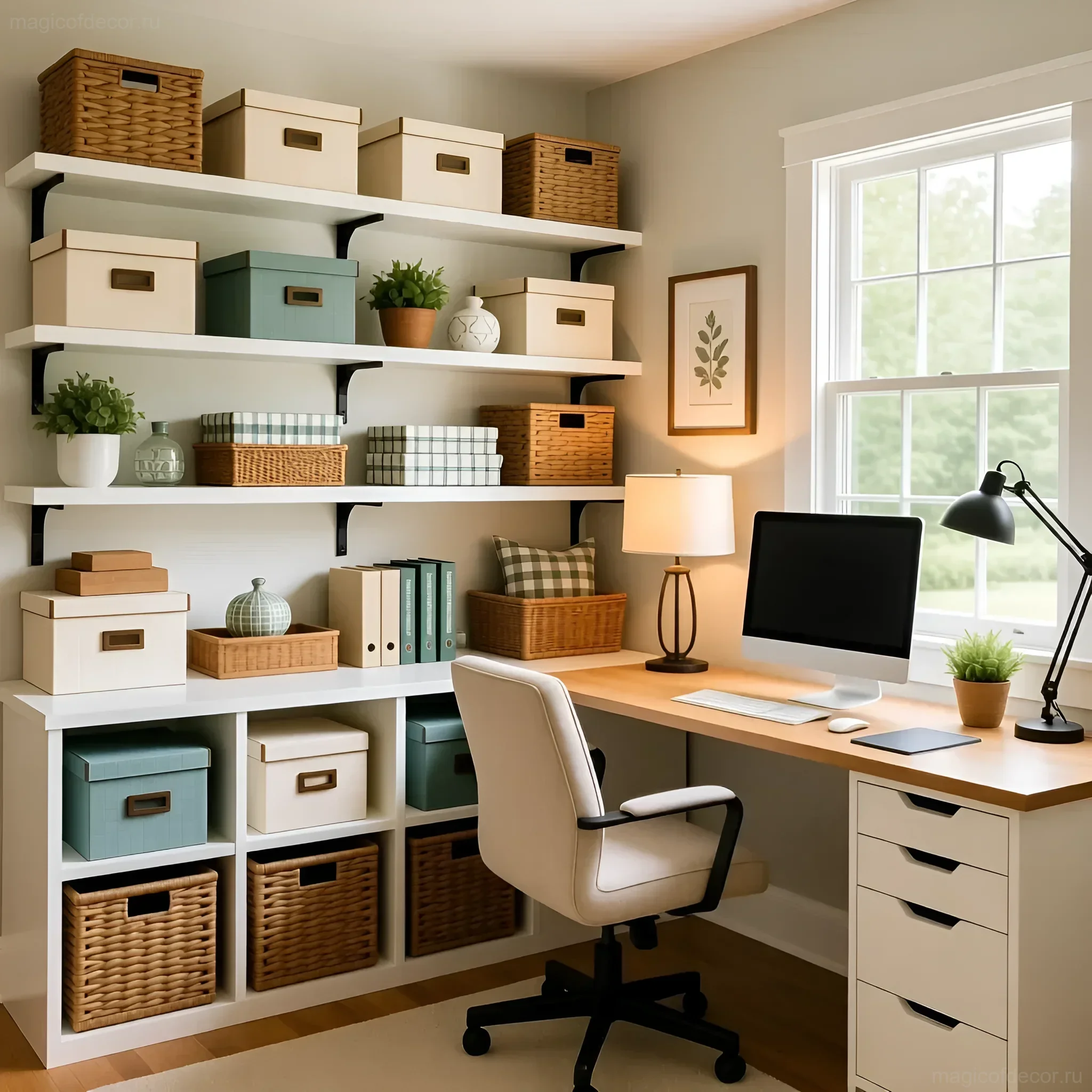
Storage is the main challenge. Use the “four boxes” system:
- Box 1 (Spring): Light textiles, pastel vases, artificial greenery.
- Box 2 (Summer): Seashells, bright napkins, woven coasters.
- Box 3 (Autumn): Velvet pillows, leaf garlands, pumpkin decor.
- Box 4 (Winter): String lights, faux fur, silver accessories.
Label the boxes clearly. The best storage places are under the bed, in the wardrobe, or on mezzanine shelves.
2. How to save money on seasonal textiles?
Don’t buy four full sets of pillows! Buy one set of neutral inner pillows and 8-12 interchangeable covers. Covers take up minimal space and are many times cheaper. The same applies to tablecloths and napkins.
3. What to do if I have a very small apartment?
In small spaces, quality is more important than quantity of decor. Focus on three things:
- One large accent: For example, a seasonal wreath on the front door or a centerpiece on the dining table.
- Textiles: Changing a throw and pillow covers instantly changes the look of the room.
- Aroma and light: These elements don’t take up space but powerfully influence the atmosphere.
4. When exactly should I change the decor?
There are no strict rules. Typically, the transition periods are as follows:
| Season | Change Period | Key Trigger |
|---|---|---|
| Spring | Late February – Early March | First sunny days, melting snow. |
| Summer | Late May – Early June | Stable warmth, desire for lightness. |
| Autumn | September (first rains) | Cooling, yellowing leaves. |
| Winter | November (first frosts) | Anticipation of holidays, need for warmth. |
Interesting Facts About the Impact of Decor on Our Well-being 💡
Decor is not just aesthetics; it’s a powerful tool for improving our psychological and physical state. Our brain is very sensitive to its environment, and seasonal changes in the home help us synchronize with the outside world.
1. Chronobiology and Lighting
Light is the main regulator of our circadian rhythms (internal clock). In winter, when there is little light, our body needs warm lighting (yellow spectrum) to stimulate melatonin production in the evening, helping us relax. In spring and summer, conversely, brighter and “cooler” light in the morning helps us wake up and energize.
2. Color Psychology
We instinctively react to colors. In autumn and winter, we are drawn to warm colors (red, orange, yellow), which the brain associates with fire and warmth, evoking a sense of comfort. In spring and summer, cool colors (blue, green), associated with water, coolness, and freshness, are calming.
3. Tactile Stimulation
Texture plays a huge role in creating a sense of security. It’s no coincidence that in winter we love “hugging” fabrics (velvet, fur, wool). These textures give us a feeling of coziness and protection, reducing stress levels caused by cold and darkness.
4. The Impact of DIY Projects
Engaging in creative activities and crafts (DIY) releases dopamine – the pleasure hormone. When you create decor with your own hands, you not only save money but also get a therapeutic effect. A home decorated with items made with love always feels more personal, warm, and alive.
Remember that your home is a living organism that breathes with you and nature. Don’t be afraid to experiment with textiles, light, and aromas. Start small: change the pillow covers or put spring branches in a vase. And you’ll see how these small changes will bring great inspiration and joy into your life all year round!